
Change the Locks and Secure the House
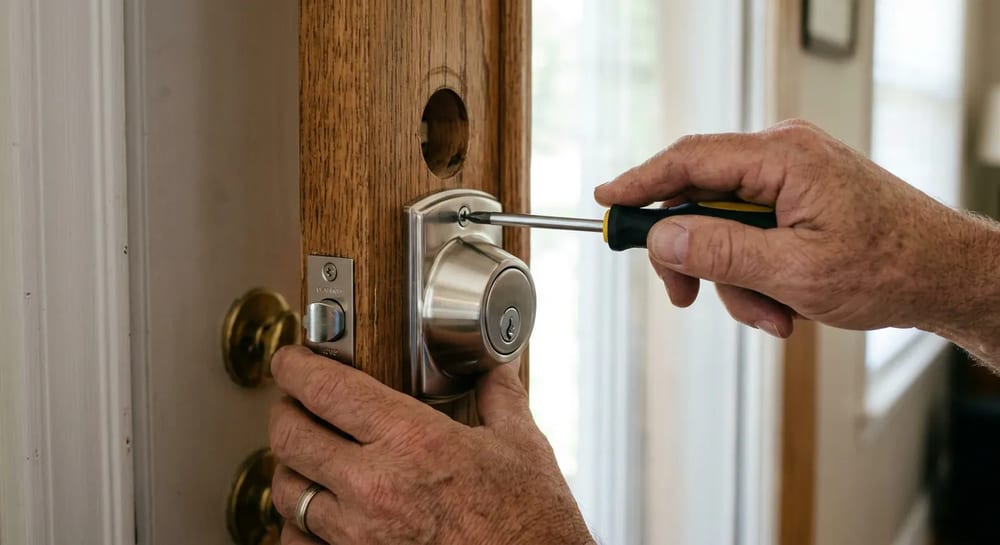
You never know who has a spare key to your new house. The previous owners might have given keys to neighbors, dog walkers, or contractors. Your first task is to secure your home. You can hire a locksmith to rekey the existing locks or buy brand new hardware. Rekeying simply changes the inner pins so old keys no longer work. Keep in mind that costs vary based on your region, the scope of work, and your home age.
| Security Option | DIY Cost | Professional Cost | Main Benefit |
|---|---|---|---|
| Rekey Existing Locks | $15 to $30 | $100 to $150 | Cheapest way to lock out old keys. |
| Install Basic New Locks | $40 to $80 | $150 to $250 | Gets you brand new mechanisms. |
| Smart Lock Upgrade | $150 to $300 | $250 to $400 | Keyless entry and phone control. |
Garage Doors and Keypads
Do not forget the garage door. Erase the old codes from the motor unit and program a new PIN on the outside keypad. This is a great first step in upgrading your home security.
Find Your Main Shutoff Valves
If a pipe bursts in the middle of the night, you need to know exactly how to stop the water. Walk around your house and locate the main water shutoff valve. It usually sits in the basement, in a crawlspace, or outside near the street. Test it to make sure it turns easily.
Next, find your main electrical panel. Open the door and locate the main breaker at the top. This switch cuts power to the entire house. Finally, find the gas shutoff valve if your home uses natural gas. It is typically right next to the gas meter. Knowing where these are is the secret to handling home emergencies without panic.
Test Smoke and Carbon Monoxide Detectors
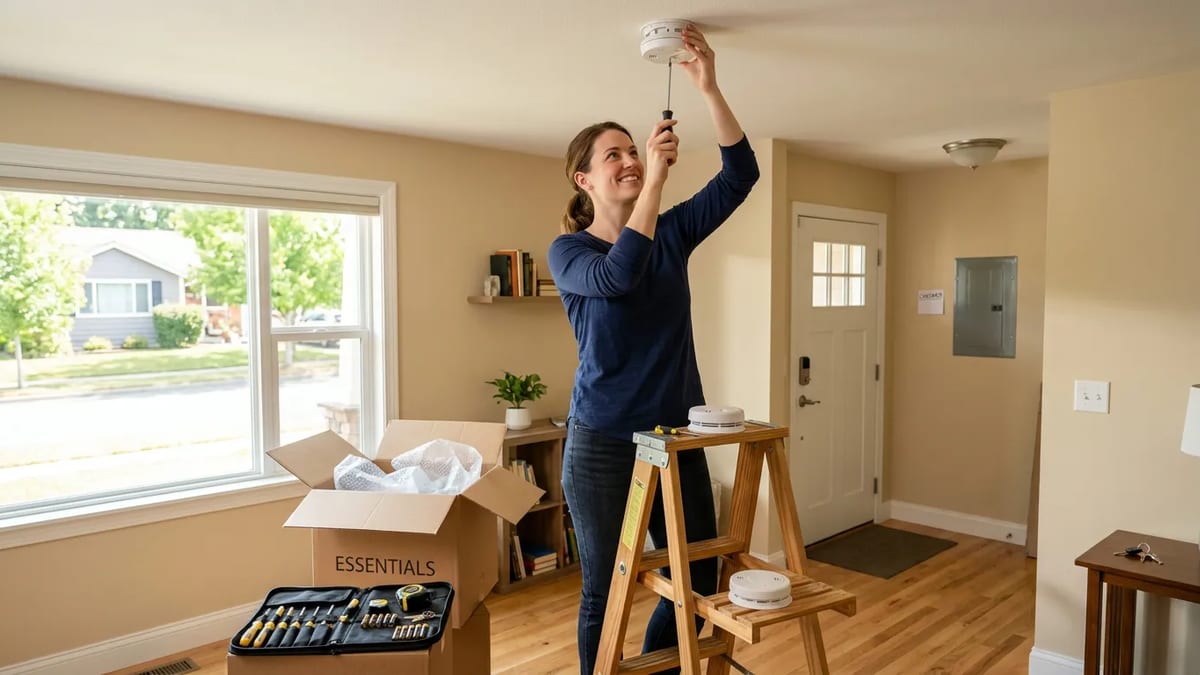
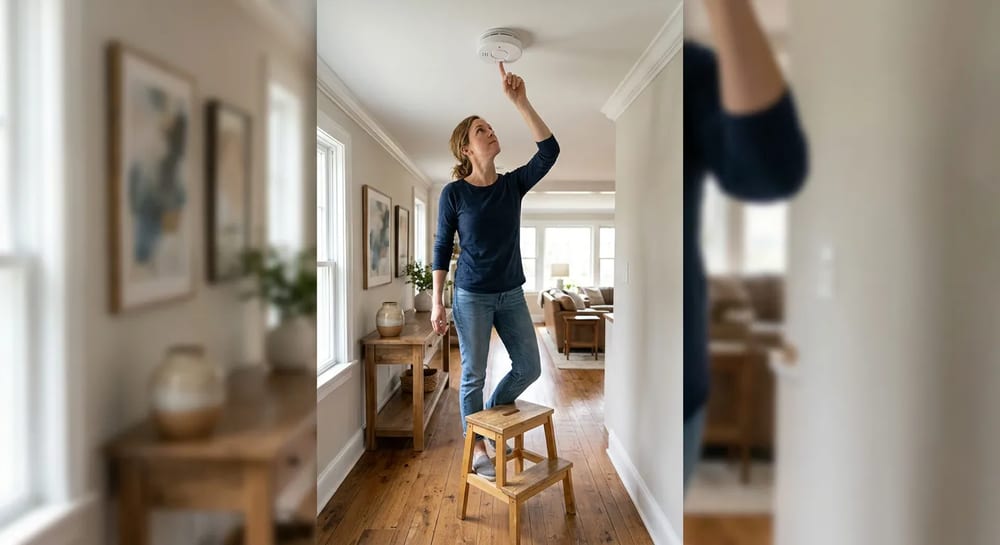
Do not trust that the previous owners kept up with battery changes. Go to every smoke and carbon monoxide detector in the house. Press the test button to make sure the alarm sounds. Replace the batteries in every unit right now so you know they are fresh.
Check the back of each detector for an expiration date. Smoke detectors expire 10 years after their manufacturing date. Carbon monoxide detectors expire after 5 to 7 years. If they are expired or yellowed with age, replace the whole unit.
Do a Deep Clean Before the Boxes Arrive
Cleaning is much easier when the rooms are completely empty. Before the moving truck pulls up, scrub the house from top to bottom. Pay special attention to the kitchen and bathrooms. Wipe down the inside of all cabinets and drawers.
Pull the refrigerator away from the wall and vacuum the coils on the back. This helps the appliance run better and saves electricity. It is a great habit for maintaining your appliances long term. Steam clean the carpets to remove old dirt and pet dander left behind by the sellers.
Change the Air Filters
You want to start fresh with the air you breathe. Find your furnace or air handler and check the filter. It is probably caked in dust from the moving process or previous owners. Buy a new pleated filter and swap it out. Write the date on the edge of the new filter with a marker so you remember when you changed it.
This is a great time to learn about your heating and cooling setup. Look for a filter with a MERV rating of 8 to 11 for good air flow and dust catching.
First Week Budgeting Expectations
Your first week comes with a few hidden costs. You might need to buy trash cans, shower curtains, light bulbs, and basic tools. Here is a rough look at what a new homeowner might spend on typical first week tasks. Remember that these ranges vary by region, the scope of your specific projects, and the age of your home.
Meet the Neighbors
Take a few minutes to walk next door and introduce yourself. Good neighbors keep an eye on your house when you go out of town and can recommend reliable local plumbers or electricians. If you live in a community with rules, this is also a good time to review your neighborhood guidelines.

Set Up Utilities and Services
Make sure the lights stay on and the water keeps flowing. Call the local utility companies to transfer the water, gas, and electric accounts into your name. Do not forget to set up trash and recycling pickup. Some cities include trash in your water bill, while others require you to hire a private company.
Once you survive this busy week, you can take a breath and start planning for the rest of your first month in the house.