What is topsoil?
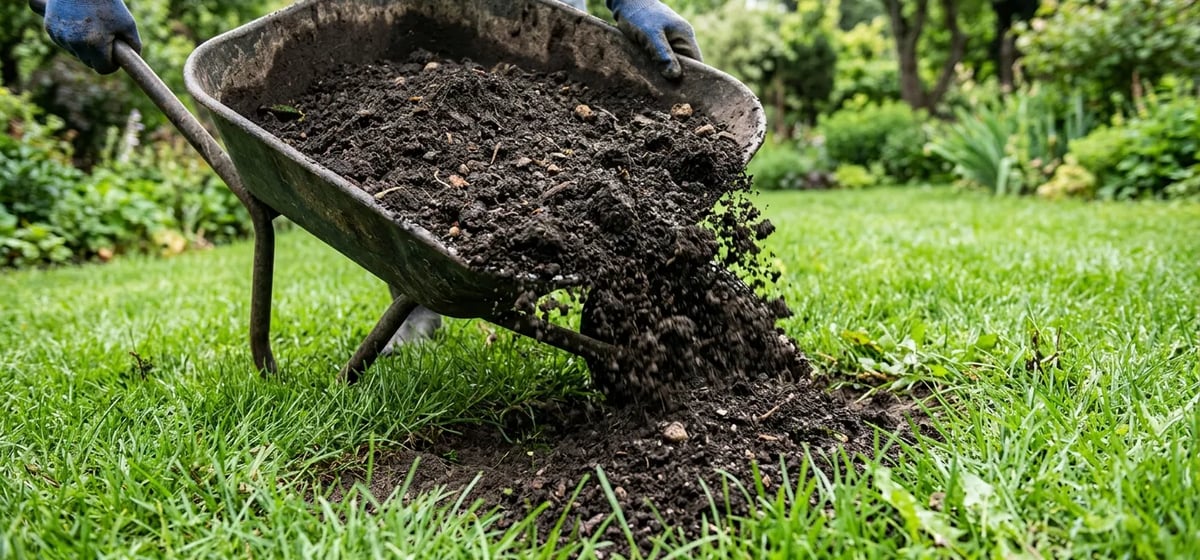
Topsoil is the uppermost layer of dirt in your yard. It is usually 2 to 8 inches deep depending on where you live. This dark and crumbly dirt is packed with nutrients, dead plant matter, and helpful bugs. It is the exact place where grass, flowers, and vegetables grow best.
Underneath this rich surface layer, you will find harder subsoil and clay. That lower dirt is mostly broken down rock. It does not have the food your plants need to survive. Good topsoil acts like a sponge. It holds water so roots can drink, but it also drains well enough that plants do not drown. If your yard has pale or hard dirt at the surface, you likely lack a good layer of topsoil.
When you will need it
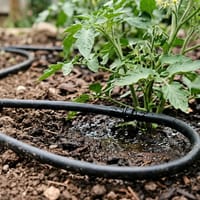
You will run into topsoil projects anytime you want to improve your yard. It is the standard material for outdoor fixes. Homeowners usually buy it to fill in bare spots in a lawn before putting down new grass seed. You also need it to fill raised beds, plant trees, or start a new vegetable garden.
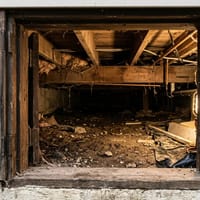
Sometimes, you need topsoil to protect your house instead of growing plants. Dirt naturally settles and washes away over time. If the ground around your house sinks, rainwater will pool near your walls. You can use a thick layer of topsoil to slope the ground away from your house. This helps protect your Foundation & Structure from expensive water damage. You just pack the dirt firmly against the foundation and taper it down toward the yard so water rolls away.
How to buy it and what it costs
You can buy topsoil in small bags at the hardware store or in giant truckloads from a landscaping supply yard. The way you buy it depends entirely on the size of your project. Keep in mind that prices will vary based on where you live and the quality of the dirt.
| Buying Method | Best For | Estimated Cost |
|---|---|---|
| 40 pound bags | Fixing small lawn patches, planting a shrub, or filling a few pots. | 2 to 5 dollars per bag. |
| Bulk by the cubic yard | Filling large raised beds, fixing major yard dips, or grading near the house. | 15 to 50 dollars per yard. |
If you need more than 40 bags, it is usually cheaper to buy it in bulk. However, bulk deliveries usually come with an extra fee. A dump truck delivery might cost you another 50 to 150 dollars just to drop a pile on your driveway. Always ask the landscaping company about delivery fees before you place your order.
What to watch out for
Not all dirt is the same. When you shop for dirt, you need to know exactly what you are getting. Keep these common issues in mind before you buy:
- Fill dirt: You might see fill dirt sold right next to the topsoil. It is mostly subsoil full of rocks, sand, and heavy clay. It is great for filling deep holes, but your grass will struggle to grow in it.
- Weed seeds: Cheap topsoil often comes loaded with weed seeds. Once you spread it and water it, your yard might sprout plants you do not want.
- Unscreened clumps: Ask the garden center if their topsoil is screened. Screened dirt has been sifted through a large metal grate to remove big rocks, roots, and clumps of clay. It is much easier to shovel and spread.
You also need to be careful about where you place the dirt. Do not pile topsoil up against your wood siding or brick weep holes. Keep the dirt level at least 6 inches below the bottom edge of your siding. This stops moisture rot and keeps bugs out of your walls.
Finally, think about your overall yard setup before you dump a huge pile of dirt. If you plan to bring in a lot of topsoil, make sure it will not block your existing yard drainage. Changing how water flows across your grass can cause big puddles in the middle of your lawn. You can read more about managing water safely in our guide to Landscaping, Drainage & Outdoor projects. Taking time to plan where the dirt goes will save you a lot of headaches later.