What Wattage Means for Your Home
Wattage is the measure of how much electrical power a device uses to do its job. A higher number means the device uses more electricity. It usually produces more heat or light as a result. You can think of it like the horsepower in a car engine. The term honors James Watt, the Scottish inventor of the steam engine. The scientific community officially adopted the watt as a unit of power in 1889.
Every time you turn on a switch, you're using watts. When you look at your home Electrical system, you'll see this number printed on lightbulbs, appliances, and tools. Understanding this number helps you control your energy bills and keep your home safe from electrical fires.
Why It Matters for Your Wallet
Your power company charges you based on how many watts you use over time. They measure this in kilowatt-hours. One kilowatt equals 1000 watts. If you run a 1000-watt microwave for one hour, you've used one kilowatt-hour of energy.
The cost of electricity in the US usually ranges from 15 to 25 cents per kilowatt-hour. Keep in mind that ranges vary widely depending on where you live. If you run a 1500-watt space heater for eight hours a day, it uses 12 kilowatt-hours. At 20 cents each, that single heater costs you about 2 dollars and 40 cents a day to run. Over a month, that adds up to more than 70 dollars. Knowing the wattage of your devices helps you spot the energy hogs in your house.
Where You See It Every Day
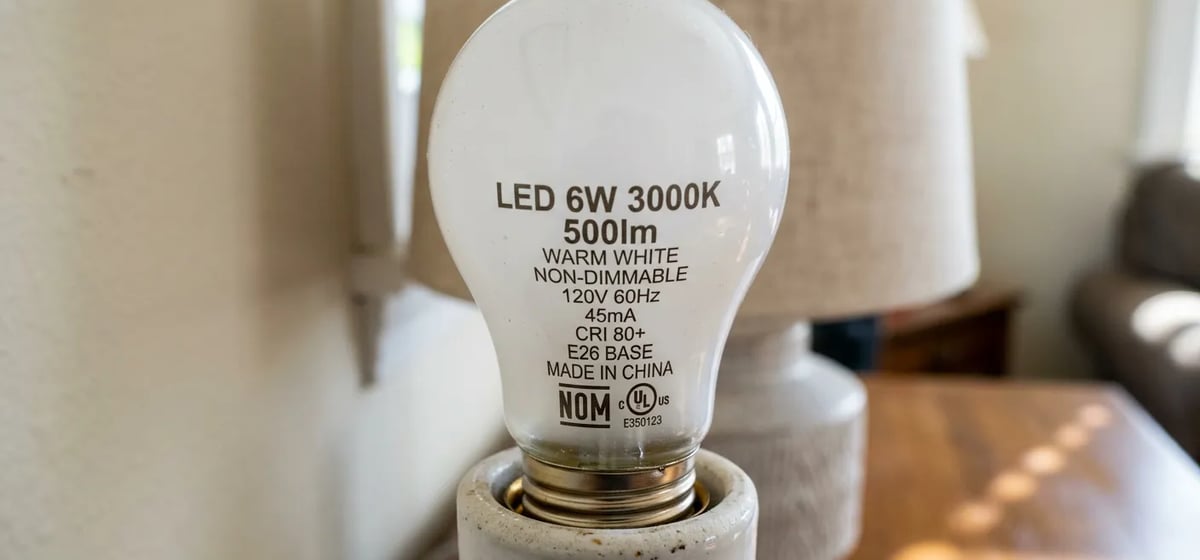
You'll run into this measurement constantly as you buy things for your house. The most common place is the lighting aisle at the hardware store. Old incandescent bulbs used 60 or 100 watts. Modern LED bulbs put out the exact same amount of light but only use 9 to 14 watts. This simple swap saves you a lot of money over the lifespan of the bulb.
You'll also see it on the silver stickers attached to the back of your Appliances. Big devices like ovens and electric dryers pull massive amounts of power. Smaller devices that produce heat, like hair dryers and toasters, also use a surprising amount of energy.
| Common Household Item | Typical Wattage |
|---|---|
| LED Lightbulb | 9 to 15 watts |
| Laptop Computer | 50 to 100 watts |
| Refrigerator | 300 to 800 watts |
| Coffee Maker | 800 to 1200 watts |
| Space Heater | 1500 watts |
| Electric Clothes Dryer | 3000 to 5000 watts |
What to Watch For With Safety
Wattage isn't just about your utility bill. It's also a critical safety limit for your house. Your home circuits can only handle a certain amount of power before the breaker trips. A standard 15-amp bedroom circuit can safely provide about 1800 watts of power at one time. A 20-amp kitchen circuit can handle about 2400 watts.
If you plug a 1500-watt space heater and a 1200-watt hair dryer into the same bathroom outlet, you're asking the circuit for 2700 watts. The circuit breaker will instantly trip to prevent the wires inside your walls from melting. If the breaker fails to trip, overloaded wires will get hot and start a fire.
When you hire an electrician to add new outlets or lights, they'll ask what you plan to plug in. They need to calculate the total wattage to make sure the new wires and breakers are thick enough to handle the load safely.