What is WaterSense?
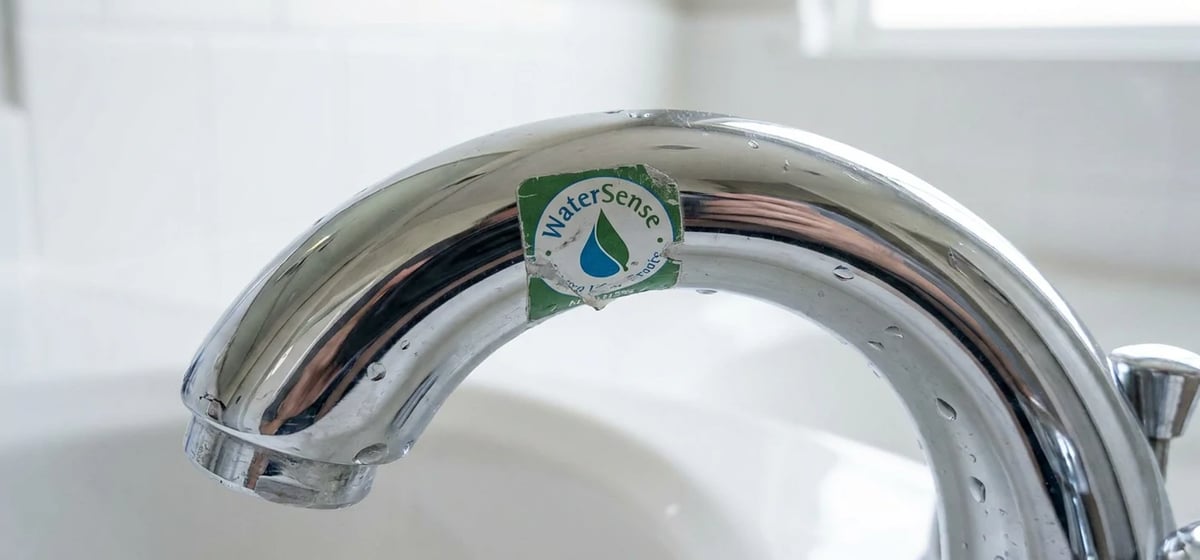
WaterSense is a voluntary certification program run by the U.S. Environmental Protection Agency. The EPA launched the program and its familiar blue-drop label in 2006. Think of it as the water version of the ENERGY STAR label. The goal is to help you easily spot water-efficient products when you shop for your home.
When a product earns the WaterSense label, it means an independent group tested it. The item must use at least 20 percent less water than a standard model. More importantly, it must work just as well or better. You do not have to sacrifice a strong shower spray or a clean toilet bowl to save water. The EPA sets the rules, but third-party labs do the actual testing to keep everything fair and honest.
Why It Matters to Your Wallet
Replacing old fixtures with WaterSense models saves you money every month. The average family can save thousands of gallons of water each year. This directly lowers your monthly water and sewer bills. If you live in an area with frequent droughts or high water rates, these savings add up very fast.
Saving water also saves energy. It takes a lot of electricity and gas to heat water for your showers and sinks. When you use less hot water, your energy bills go down too. Over time, these savings easily pay for the cost of the new fixtures. Upgrading old, leaky fixtures also puts less stress on your home Plumbing over the years. You get new parts that are less likely to run constantly or drip overnight.
Where You Will See the Label
You will find the blue WaterSense drop on many common home products. If you walk down the plumbing aisle at a hardware store, you will see it everywhere. Here are the most common places it pops up:
- Toilets: Standard toilets use 1.6 gallons per flush. WaterSense models use 1.28 gallons or less.
- Showerheads: These use 2.0 gallons per minute or less compared to the older 2.5 gallon standard.
- Bathroom faucets: These mix air into the water stream so you use less water without noticing a drop in pressure.
- Irrigation controllers: Smart outdoor timers adjust your sprinklers based on local weather data so you never water the lawn while it is raining.
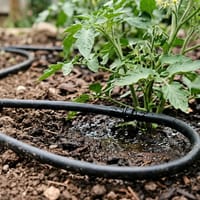
You might also see the label on entire new homes. Builders can earn a WaterSense certification for a house if they design it to be highly water-efficient inside and out. This often ties into smart Landscaping, Drainage & Outdoor choices, like planting drought-resistant shrubs or installing drip irrigation systems.
What to Watch For When Buying
Do not worry about paying a massive premium for water efficiency. WaterSense products usually cost about the same as standard models. A basic WaterSense toilet typically costs 150 to 400 dollars at a big box store, though ranges vary based on the design and brand. A certified showerhead might only cost 20 to 50 dollars.
If you plan to hire a professional to install these items, make sure you mention you want WaterSense fixtures. You can learn more about finding good help in our guide on Hiring Contractors & What Things Cost.
Keep an eye on product reviews before you buy. The EPA requires products to meet strict performance standards to get the label. However, some brands still design better flush valves or shower nozzles than others. Read a few reviews to make sure the specific model you want clears waste effectively or provides a wide shower spray. Finally, remember that kitchen faucets do not currently get WaterSense labels. People use kitchen sinks to fill large pots quickly, and restricting the flow there just makes cooking and cleaning take longer.