What Is a Window Sash?
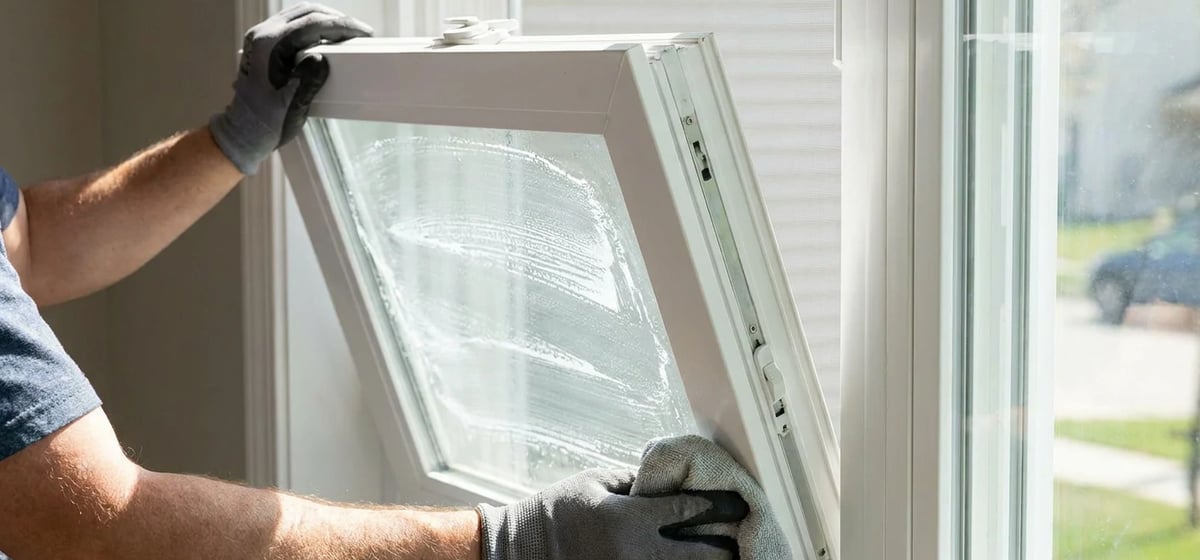
A window sash is the specific part of your window that holds the glass in place. It sits inside the main window frame. When you open a window to let in fresh air, you're actually moving the sash. The style of your window determines how the sash operates. On a standard double-hung window, you have an upper sash and a lower sash. Both of these pieces slide up and down independently. On a single-hung window, only the bottom sash moves while the top stays fixed. A sliding window has sashes that move side to side. On a casement window, the sash swings outward on a hinge operated by a hand crank.
The word itself has an interesting history. It comes from the Arabic word shash, which means a band of material. English builders borrowed the term in the late seventeenth century. Early window frames used wooden bands to hold small pieces of glass together. Today, sashes are made from wood, vinyl, aluminum, or fiberglass.
Why the Sash Matters for Your Home
Your window sash does a lot of heavy lifting. It keeps the weather out and keeps your heated or cooled air inside. A tight seal between the sash and the frame is critical for your home energy bills. If your sash is loose or broken, your HVAC & Climate Control system has to work much harder to keep you comfortable.
The sash also plays a big role in home security. The locks on your windows are usually attached directly to the sash. If the wood is rotting or the vinyl is cracked, a burglar can easily pry the window open. Keeping this part of the window in good shape protects your family and your wallet.
Routine maintenance helps your sashes last longer. You should inspect the edges of the sash every fall before the cold weather hits. Look for cracked caulking or peeling paint. If you have wooden sashes, a fresh coat of exterior paint every few years prevents moisture from seeping into the joints. Vinyl sashes are much lower maintenance, but you still need to wipe down the tracks to keep them gliding smoothly.
Common Problems to Watch For
Sashes take a beating from the sun, rain, and daily use. Over time, you'll likely run into a few common issues.
- Rotting wood: Water can pool at the bottom of a wooden sash. This causes the wood to soften and rot over time.
- Broken seals: Modern windows have two or three panes of glass inside the sash. If the seal between these panes breaks, you'll see fog or condensation trapped inside the glass.
- Drafts and air leaks: The weatherstripping around the edge of the sash wears out over time. When this happens, you'll feel cold air blowing in around the edges of the window during the winter.
- Sticking tracks: Dust and dirt can build up in the frame. This makes the sash very hard to slide up and down.
- Broken cords or springs: Older windows use a system of weights and cotton cords to balance the heavy sash. Newer windows use spring balances. If these break, the sash will slam shut as soon as you let go.
Repair and Replacement Costs
When a window fails, you don't always have to replace the entire unit down to the studs. You can often just replace the sash itself. This is called a sash replacement kit or a pocket replacement. It is a great way to save money if your main window frames are still solid.
If you decide to do the work yourself, measuring the sash correctly is your biggest hurdle. You have to measure the exact width and height of the opening down to the eighth of an inch. A sash that is too small will rattle in the wind and leak air. A sash that is too big simply won't fit.
Costs will depend on your location and the materials you choose, so keep in mind that ranges vary. A simple glass repair inside an existing sash usually costs 150 to 300 dollars. If you need to buy a complete sash replacement kit, expect to pay 250 to 600 dollars per window. Hiring a professional to install it will add another 100 to 300 dollars in labor. If the frame is also rotting, you'll need a full replacement. You can learn more about full upgrades in our guide to Window Replacement Cost. Upgrading old, drafty sashes is one of the best ways to improve the overall look and feel of your Windows & Doors.