
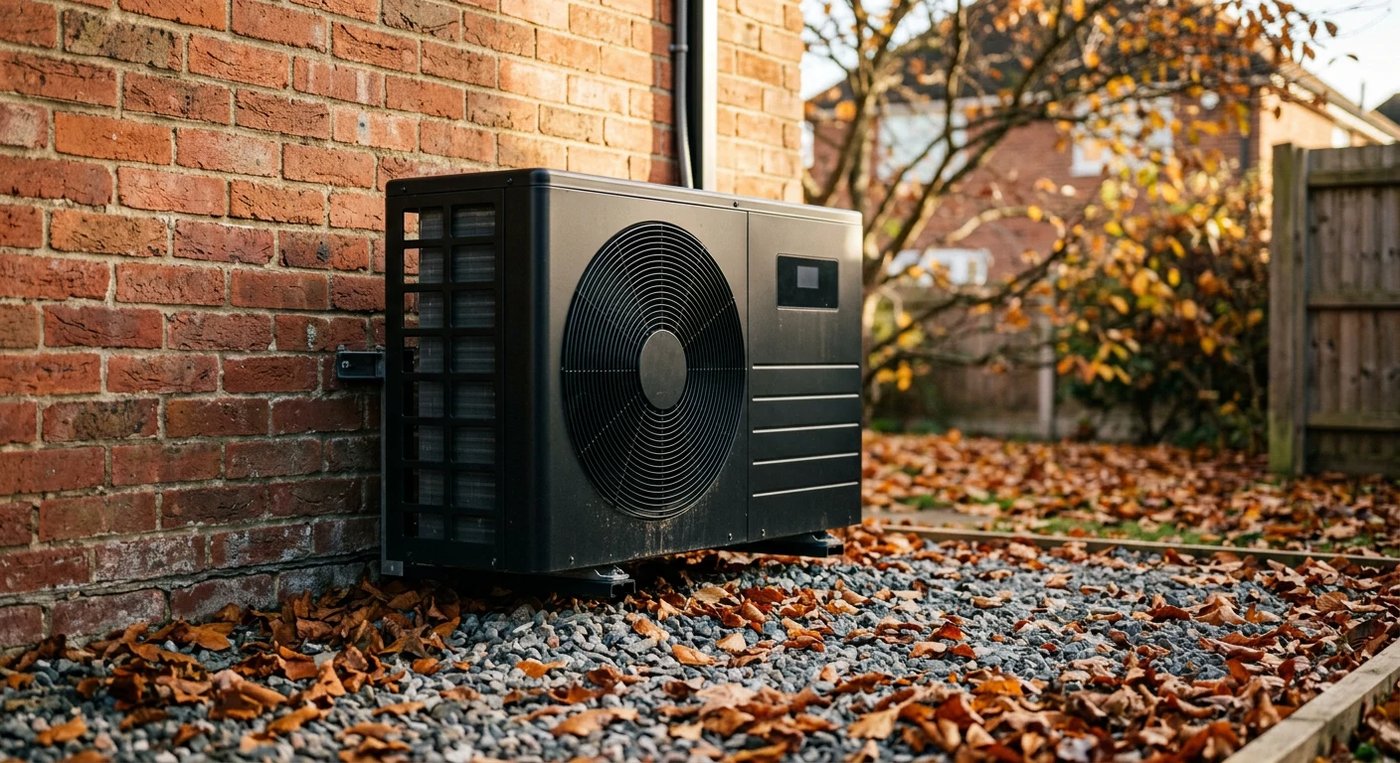
For decades, owning a home meant paying whatever the electric company demanded and hoping the lights stayed on during a storm. That dynamic is finally changing. Thanks to a new wave of federal and state incentives, your house can actually generate and store its own energy.
The rebate race is on
If you want to upgrade your home’s climate control without draining your savings, move fast. Federal funding is flowing into state programs, and people are cashing in. In Michigan, a homeowner named Emily Molnar recently qualified for a large HOMES rebate and a secondary HEAR rebate to install a new heat pump and upgrade her electrical panel, according to the State of Michigan. That's life-changing money for a home project. But the well will run dry. The MiHER program aims to fund energy upgrades for approximately 15,000 homes across Michigan. They have already hit a wall in the Detroit district and temporarily paused single-family approvals as they near the funding cap. When your local government opens the checkbook, waiting around is a bad idea.
Bypassing the solar squeeze
Traditional solar math relied on selling your extra juice back to the utility company. When Illinois ended full retail net metering for new solar customers, it looked like a heavy blow to rooftop panels. But the market is adapting. A new program from SOLRITE Energy installs a giant home battery on your property with no upfront cost. The capacity offered to Illinois residents is about four times the size of a typical home battery, according to Solar Builder. You simply pay a locked-in rate for the solar power you use. Storing your own energy beats selling it back for pennies. It also protects you from grid outages and unpredictable rate hikes.
Why independence matters now
Securing your own power supply is getting urgent. Utility monopolies are only growing larger. NextEra Energy and Dominion Energy have proposed a merger that would create the largest regulated electric power company in the U.S. Corporate size on that scale brings immense lobbying power, which rarely benefits your wallet. NextEra’s Florida subsidiary is already considered the 'most hostile' toward residential solar—even requiring commercial liability insurance for standard home systems, according to pv magazine USA. The proposed utility merger is expected to close in late 2027, pending approval. If you lock in your own energy independence today, you won't have to play by their rules tomorrow.
What this means for you
- If you live in the Midwest, check your local incentive caps before upgrading your AC or furnace. Our Michigan seasonal checklist helps you time your next big home project before funding dries up.
- Curious if panels still make financial sense without net metering? We break down the new math in our Solar Panels guide for Illinois.
- When replacing an aging system, look into heat pumps. The upfront cost is dropping fast thanks to federal tax credits. Our HVAC & Climate Control guide walks you through exactly what to expect during installation.