Sump Pump Smells Musty? How to Clean It Before Summer
If your basement still smells musty after running a dehumidifier, your sump pump basin might be the hidden culprit. Learn how to clean and deodorize the pit before summer heat sets in.
Full guide Foundation & Structure Learn how to spot dangerous foundation cracks and protect your home from costly structural damage.There's nothing quite like that damp, earthy smell wafting up from the basement. If you're constantly battling a musty odor and wondering why your **sump pump smells musty**, you're not alone. You have emptied the dehumidifier, scrubbed the walls, and checked the foundation for leaks, but that heavy, damp basement odor simply will not go away. When a basement smells musty even after aggressive moisture control, homeowners often overlook the most obvious source of standing water: the sump pump basin.
After heavy May and June spring rains, your sump pump works overtime. It pulls in groundwater, but it also drags in silt, soil, and organic debris. As late-spring rolls into the warmer summer months, the water left sitting below the pump's float switch becomes a stagnant stew. When that water begins to evaporate in the summer heat, it pushes a heavy, musty odor throughout your entire basement.
Last spring, I spent two weeks scrubbing my basement walls with a commercial cleaner and running a high-capacity dehumidifier around the clock. I was convinced I had a hidden mold problem behind the drywall. It was only when I dropped a flashlight while looking at the water heater that I realized the stench was coming from the dark pit in the corner. The pump had done its job keeping the floor dry, but a thick, foul-smelling layer of mud and rotting leaves sat just below the water line.
Why Your Sump Pump Smells Musty
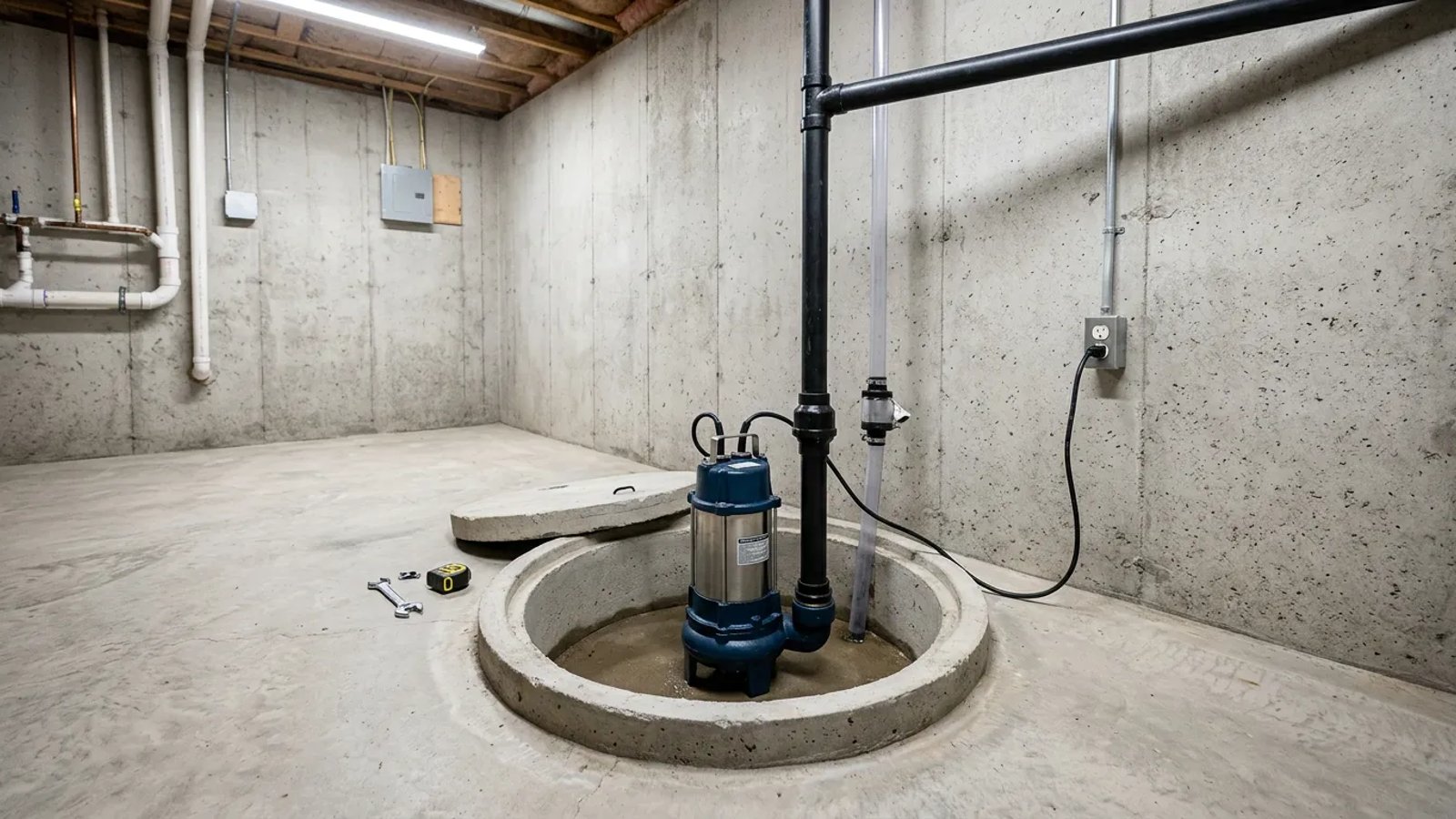
Your sump pump sits in a pit designed to collect water from the weeping tiles around your foundation. Because the pump is triggered by a float switch, it never drains the basin completely dry. There is always **2-4 inches** of residual water left at the bottom to keep the pump primed and ready.
Over the rainy season, dirt, insects, and organic matter wash into the pit and settle at the bottom. Bacteria feed on this organic sludge. Without fresh water flowing in to flush the basin out, the bacteria multiply. If your sump pump smells musty, you are essentially smelling a tiny, stagnant pond evaporating inside your house.
Safety First: Prepping the Area
Before you start cleaning, you need to secure the power. Sump pumps operate on standard 120-volt household current, and you will be putting your hands directly into standing water. Find the outlet your pump is plugged into and disconnect it. If the pump is hardwired, locate your electrical panel and flip the breaker that supplies power to the pump.
Gather your supplies before you begin. You will need a wet/dry shop vacuum, a pair of heavy-duty rubber gloves, a plastic putty knife or stiff-bristled brush, a 5-gallon bucket, and your cleaning solution of choice (either white vinegar or household bleach).
How to Clean the Sump Pump Basin
Cleaning the pit is a straightforward, dirty job that usually takes about 30 to 45 minutes. Wear clothes you do not mind getting splashed.
- Disconnect the power. Unplug the pump from the wall outlet or turn off the dedicated breaker.
- Remove the standing water. Use your wet/dry shop vacuum to suck out the remaining water at the bottom of the basin that the pump cannot reach.
- Scrape the sludge. Put on your rubber gloves and use a plastic putty knife or a stiff nylon brush to scrape the thick layer of silt and organic sludge off the bottom and sides of the concrete or plastic liner.
- Vacuum the debris. Use the shop vacuum again to remove the loosened mud and debris from the bottom of the pit.
- Wipe down the pump. Use a damp rag to wipe away any slime or buildup on the exterior casing of the pump itself, being careful not to tug on the float switch arm or the power cord.
By diligently removing all visible sludge, you're not just getting rid of the smell; you're also preventing potential issues like clogged intake screens or jammed float switches, which can lead to pump failure when you need it most. A clean basin ensures your pump operates efficiently and reliably.
Do not use metal scrapers or wire brushes on the pump casing or the float switch mechanism. Scratching the plastic housing can create microscopic grooves where bacteria will easily anchor and grow back faster next season.
The Flush: Killing Odor-Causing Bacteria
Once the physical sludge is gone, you need to neutralize the bacteria left behind. You have two main options for this: white vinegar or household bleach. Vinegar is safer for the rubber seals on your pump and is usually strong enough for standard musty smells. Bleach is highly effective for severe odors but requires more care.
If you choose vinegar, pour one gallon of standard white vinegar directly into the basin, letting it splash against the walls. Let it sit for 15 to 20 minutes.
If the smell is overpowering, use bleach. Mix one cup of standard household bleach into a gallon of water. According to EPA guidelines on moisture control, this dilution ratio is strong enough to clean hard surfaces without creating overwhelming fumes. Pour the mixture down the sides of the basin.
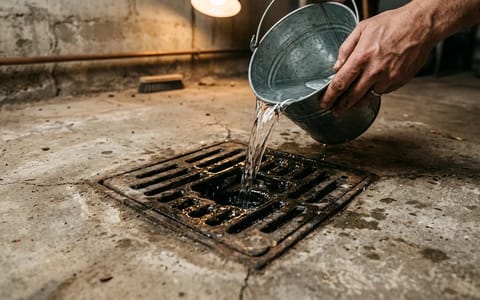
After letting your chosen solution sit for 15 minutes, fill your 5-gallon bucket with clean, fresh water and pour it into the basin. Plug the sump pump back in. The rising water level will trigger the float switch, and the pump will push the cleaning solution and the fresh water out through the discharge pipe. Pour one more bucket of clean water into the pit to ensure the pump is thoroughly rinsed and no harsh chemicals are left sitting against the rubber seals.
Beyond Cleaning: Preventing Future Sump Pump Musty Smells
While a thorough cleaning is key to eliminating existing odors, proactive steps can keep your sump pump basin smelling fresh all year long. A little prevention goes a long way in avoiding future musty surprises.
First, ensure your sump pump lid fits securely. A tight-fitting lid not only contains any lingering odors but also prevents debris like leaves, insects, and fine soil from falling into the pit. Less debris means less organic matter to decompose and feed odor-causing bacteria.
Regular visual inspections are also crucial. Every few months, especially after heavy rains, lift the lid and quickly check the water level and for any visible accumulation of sludge or debris. If you spot a buildup forming, it's easier to remove a small amount of gunk with a scoop or net than to tackle a thick, foul-smelling layer later on.
Finally, consider the landscape around your foundation. Ensure downspouts are directed well away from the house, preferably at least 6 feet, to prevent excess surface water from saturating the soil near your foundation and constantly flowing into the weeping tiles. Reducing the overall amount of water entering the system can lighten your sump pump's load and slow the accumulation of new sediment.
Routine Maintenance to Keep Summer Smells Away
As the weather heats up, the water in your sump pit will evaporate faster. To keep the basement air fresh, make it a habit to flush the basin with a bucket of clean water every few months during dry spells. This simple action cycles the stagnant water out and tests the float switch to ensure the pump is ready for the next heavy storm.
Taking 30 minutes to clean out the silt and flush the basin will dramatically improve your indoor air quality. By removing the organic material that bacteria feed on, you eliminate the root cause of the odor, leaving your basement smelling clean and dry for the rest of the season.
- Always disconnect the power to the sump pump before reaching into the basin.
- Use a wet/dry shop vacuum to remove stagnant water that the pump cannot drain.
- Flush the pit with a mild bleach or vinegar solution to kill odor-causing bacteria without damaging the pump seals.
- Add a basin flush to your seasonal maintenance routine to prevent odors from returning.