What Is a Volt?
Think of electricity like water flowing through a hose. The water pressure pushing the water out is like a volt. A volt is a unit of measurement that describes electrical pressure. It tells you how much force is pushing the electricity through the wires in your home. The term honors Alessandro Volta. He was an Italian physicist who invented the first electrical battery in 1800. The International Electrical Congress officially adopted the word in 1881.
When you have more volts, you have more electrical pressure. This means the wire can push more power to your devices. This matters when you look at the different outlets around your house. A phone charger needs very little pressure to work. A giant electric oven needs a massive amount of pressure to heat up.
Where You See Volts in Your Home
Your home runs on two main levels of electrical pressure. Most of the things you plug in use standard power. The big appliances need double that amount.
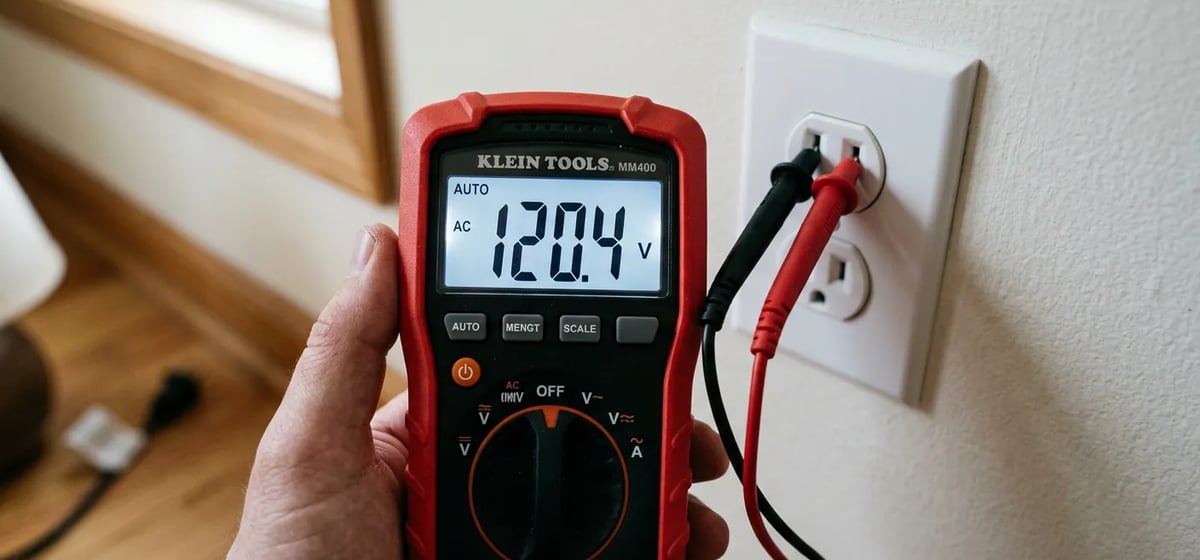
- 120 volts: This is the standard pressure for regular wall outlets in the US. You use these for lamps, televisions, computers, and small kitchen gadgets.
- 240 volts: This is the higher pressure needed for large, heavy-duty appliances. You will see these special, larger outlets behind electric dryers, electric ranges, and water heaters.
- Low voltage: Some systems use much less pressure, usually between 12 and 24 volts. You see this in doorbell wiring, thermostat wires for your HVAC & Climate Control system, and outdoor landscape lighting.
Why Volts Matter to You
Understanding volts helps you buy the right appliances and keep your home safe. If you buy a new electric dryer, you must plug it into a 240-volt outlet. A standard 120-volt plug will not fit, and the outlet will not provide enough pressure to dry your clothes. You also need to know about volts when you travel or buy products from other countries. Many places outside the US use 220 to 240 volts for standard wall outlets. If you plug a US lamp into a European wall without a converter, the high pressure will ruin the lamp and might start a fire.
You will also hear about volts when you deal with your main electrical panel. Most modern US homes have a 240-volt main service coming from the street. The panel splits this power into the 120-volt circuits that run through your walls. If you have an older home, you might need to upgrade your panel to handle modern appliances safely. You can learn more about panels and wiring in our Electrical guide.
Costs to Upgrade Outlets
Sometimes you buy a new appliance and realize you do not have the right outlet. A common example is buying an electric car or a new electric stove. You will need an electrician to install a new 240-volt line.
The price depends on how far the new outlet is from your main electrical panel. If the panel is in the garage and you want the outlet right next to it, the job is fairly simple. If the electrician has to pull thick wire all the way across your basement, the price goes up fast. Here are some typical ballpark costs. Keep in mind that ranges vary based on your city and the age of your home.
- Adding a new 120-volt standard outlet: $150 to $300.
- Installing a new 240-volt appliance outlet: $300 to $800.
- Installing a 240-volt electric vehicle charger: $500 to $1,200.
- Upgrading your entire electrical panel to handle more power: $1,500 to $3,000.
If you plan to hire someone for these upgrades, read our guide on Hiring Contractors & What Things Cost to help you get fair quotes.