What is a Sump Pump?
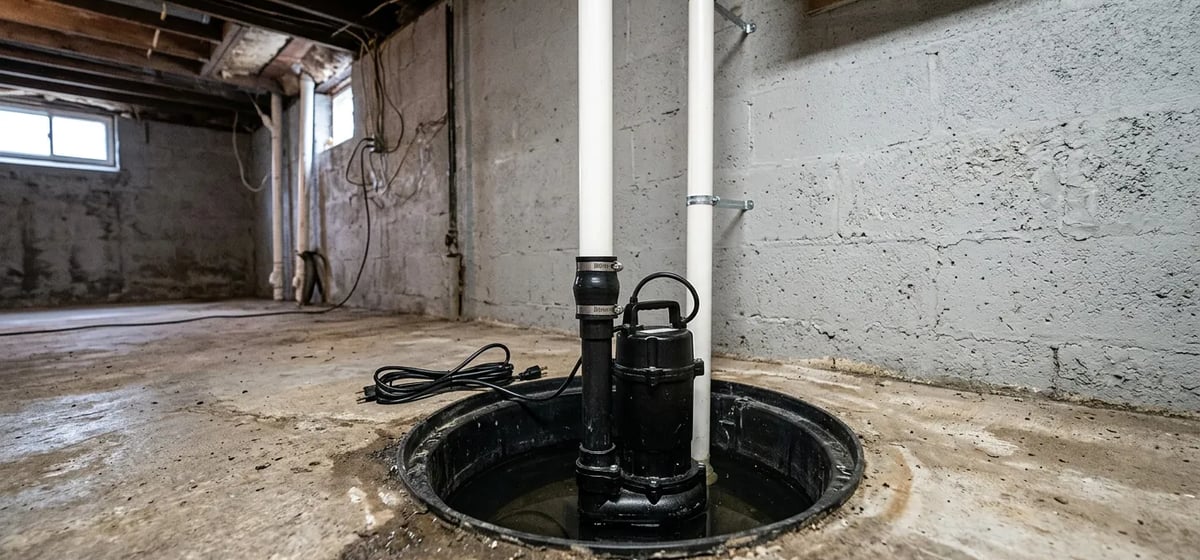
A sump pump is a small motorized machine that lives in the lowest part of your basement or crawlspace. It sits inside a hole called a sump pit. When it rains heavily, groundwater pushes against your house. This water naturally flows into the pit instead of spreading across your floor. Once the water reaches a certain level, a float switch turns the pump on. The pump then sucks up the water and pushes it through a pipe to the outside of your home. This keeps your home safe and dry. It acts as a vital part of your Foundation & Structure health. The word sump comes from an old German word for a swamp or pit. Interestingly, the US Navy used early versions of these pumps to keep ships from sinking. Now, they are standard equipment in millions of homes.
Why It Matters to You
Water is the biggest enemy of your house. Even a small amount of water in your basement ruins flooring, destroys drywall, and creates dangerous mold. A working sump pump prevents these disasters. It runs automatically, so you do not have to flip a switch in the middle of the night during a storm. If you live in an area with a high water table or poor drainage, this little machine is your first line of defense against Home Emergencies. Without it, you could face thousands of dollars in water damage repairs.
How Much Does It Cost?
Like most home systems, parts and labor costs vary by location. If you just need to replace an old pump with a new one, expect to pay 300 to 600 dollars for the unit and labor. If you need a plumber to dig a brand new pit and run new discharge pipes, the cost jumps to 1,500 to 3,000 dollars. You might also want a battery backup system. If you live in an area with frequent power outages, a battery backup is basically mandatory. When a severe thunderstorm knocks out your electricity, your main pump stops working right when you need it most. The backup system senses the power loss and takes over immediately. It uses a large marine battery to keep pumping water out of your basement for several hours. This gives you peace of mind during the worst weather. Adding a backup battery system usually costs another 500 to 1,200 dollars. Remember that these prices are estimates and your exact cost will depend on your specific home setup and local rates.
What to Watch For
Sump pumps do not last forever. Most units have a lifespan of 7 to 10 years. You need to check your pump regularly to make sure it works before a big storm hits. Also, pay attention to where the water goes outside. The discharge pipe should release water at least 10 to 20 feet away from your foundation. If it dumps water right next to your house, that same water will just leak back into the basement and make the pump work twice as hard.
Keep an eye on your system by doing a few simple checks:
- Listen for strange noises. Grinding or rattling sounds mean the motor is failing.
- Check the discharge pipe outside. Make sure the water flows far away from your house and the pipe is not clogged with dirt or ice.
- Clean the pit. Remove any debris, gravel, or toys that could jam the float switch.
- Look at the power cord. Sump pumps should plug directly into a grounded wall outlet. Never use an extension cord for a sump pump because it creates a serious fire hazard.
If you notice constant cycling where the pump turns on and off every few seconds, you might have a broken check valve. This is a small part in the Plumbing pipe that stops water from falling back into the pit. A plumber can fix this easily.