What is an architectural shingle?
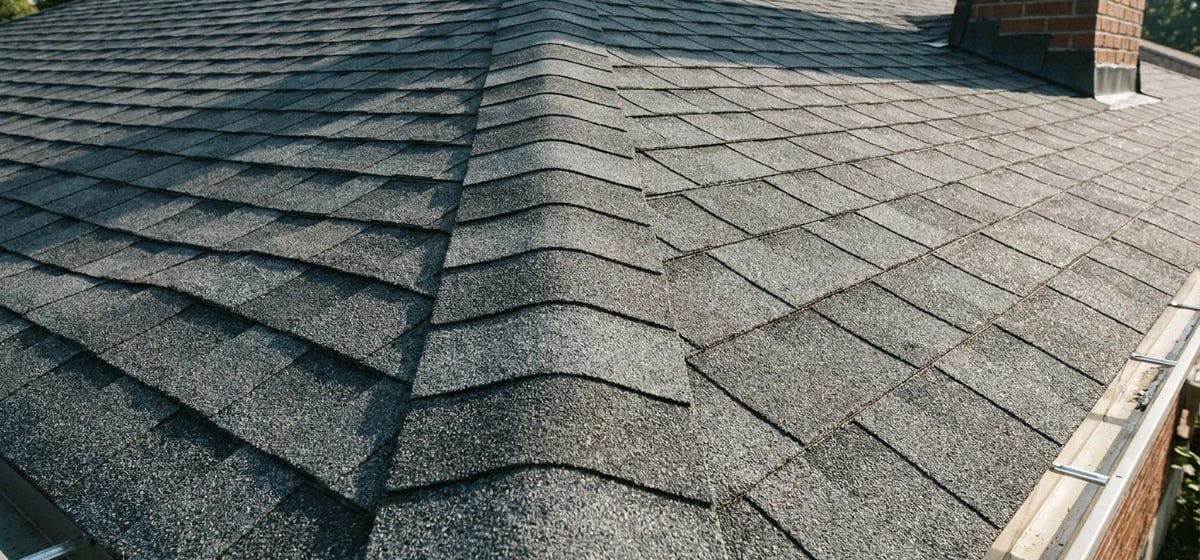
Architectural shingles are a heavy type of roofing material. Manufacturers make them by bonding two or more layers of asphalt and fiberglass together. This creates a thick, textured look. They do not look flat like standard three-tab shingles. Instead, they mimic the varied patterns of natural wood shakes or slate tiles. Manufacturers first made them in the 1970s. They wanted a premium option that looked great and lasted longer. Today, they are the most popular choice for new roofs in the United States. When you drive through a modern neighborhood, almost every home has them. The layered design gives your roof depth and character.
Why they matter for your home
Your roof takes a beating from the weather every single day. Because architectural shingles are so thick, they handle heavy rain, hail, and strong winds very well. Many of them can survive winds up to 130 miles per hour. Standard flat shingles might blow off at 60 miles per hour. The extra weight also means they last much longer. A standard roof might last 15 to 20 years. An architectural shingle roof often lasts 25 to 30 years or more.
Upgrading can even lower your premiums for Home Insurance. Insurance companies know this heavy material is less likely to leak or blow apart in a severe storm. The thicker material also hides minor bumps and dips in your roof decking. This gives your entire house a cleaner and more solid appearance from the street.
Comparing costs and lifespan
You will pay more upfront for these premium shingles. Materials and labor for a standard flat shingle roof might cost 5,000 to 8,000 dollars. For an architectural shingle roof, expect to pay 9,000 to 15,000 dollars for an average home. Costs always vary based on your location, the slope of your roof, and local labor rates. However, the longer lifespan makes them a smart investment. You will not have to replace the roof as soon. When it comes to Roofing, spending a little more now often saves you money later.
Weight Warning: Architectural shingles weigh up to 50 percent more than standard flat shingles. If you are putting a new roof on an older home, have a contractor check your attic framing first. The wood must be strong enough to hold the extra weight.
What to watch out for
Beyond the weight, you need to watch for moss and algae. The textured surface creates tiny shadows and ridges where moisture can hide. This makes it easier for algae to grow on the shady side of your house. If you live in a damp or humid climate, look for shingles treated with copper granules. The copper stops algae growth and keeps black streaks off your roof.
How to maintain your new roof
These heavy shingles do not need much daily care. You mostly just need to keep them clean. Follow these simple steps to protect your investment:
- Sweep away pine needles, leaves, and branches every fall. Debris traps water against the asphalt and ruins it over time.
- Do not use a pressure washer on your roof. The high pressure blasts away the protective colored granules on top of the shingles.
- Use a regular garden hose or hire a soft-wash roof cleaning service if the roof gets dirty.
- Grab a pair of binoculars once a year. Stand in your yard and look up at the roof to spot any missing pieces or curled edges.
Catching small problems early keeps your home dry and safe.