The parts of a roof, explained
A roof is not just a layer of shingles. It is a stack of parts that work together to keep water out, and knowing the names helps you read a contractor's quote and spot trouble. When a roofer mentions the deck, the underlayment, or the flashing, you should know exactly what they are talking about.
From the bottom up, a typical asphalt roof is built in layers. The roof construction starts with the wooden deck, gets a waterproof barrier, and finishes with the shingles you see from the street. The edges and valleys get extra protection, because those are the spots where leaks start.
| Part of the roof | What it does |
|---|---|
| Decking (sheathing) | The plywood or OSB boards nailed to the rafters. Everything else attaches to this. |
| Underlayment | A felt or synthetic sheet rolled over the deck as a backup water barrier under the shingles. |
| Ice and water shield | A sticky rubberized membrane along the eaves and valleys that seals around nails and blocks ice dam leaks. |
| Shingles | The outer layer you see. Sheds rain and takes the sun and hail. |
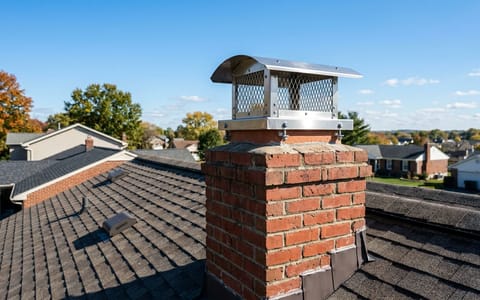
| Flashing | Bent metal that seals joints around chimneys, vents, and walls. Most leaks trace back to bad flashing. |
| Fascia and soffit | The trim board along the edge (fascia) and the underside panel (soffit) that ventilates the attic. See your exterior guide for more. |
| Ridge and ridge vent | The peak where two slopes meet, often capped with a vent that lets hot attic air escape. |
The single most important hidden part is the ice and water shield. This peel-and-stick membrane goes down before the shingles along the lower edges of the roof and inside every valley. When water tries to back up under the shingles during heavy rain or a winter ice dam, this layer seals tight around the nails and stops the water cold. Many older roofs never had it, which is why a 1990s house often leaks at the eaves while a new roof in the same storm stays dry.
Common roof types and shapes
When people search for roof types, they usually mean one of two things: the shape of the roof, or the material covering it. Both matter. The shape controls how well your roof sheds rain and snow, and the material controls how long it lasts and what it costs.
The roof shape is set when the house is framed, so you rarely get to choose it. But knowing your shape helps you understand your home's weak spots. A flat roof needs a totally different waterproof membrane than a steep gable, and a complex roof with many valleys simply has more places to leak.
| Roof shape | What it looks like | Good to know |
|---|---|---|
| Gable | A simple triangle, two slopes meeting at a peak | Cheapest to build and re-roof; sheds water and snow well |
| Hip | All four sides slope down to the walls | Very stable in high wind, but more material and seams |
| Flat (low-slope) | Nearly level, common on additions and modern homes | Needs a rubber or TPO membrane, not shingles; ponding water is the enemy |
| Mansard | Steep sides with a flatter top, French style | Adds attic space but is expensive and complex to repair |
| Gambrel | The classic barn roof, two slopes per side | Maximizes upper-floor headroom; common on Dutch colonial homes |
Once you know the shape, the material is the bigger decision and the one you actually control at replacement time. Asphalt shingles dominate North American homes because they are affordable and easy to install. Metal is the durable upgrade, while slate and clay tile are the premium, long-life options. We cover the full lifespan and price comparison in the costs and materials section below.
Roof shingles explained
Shingles are the part of the roof you actually see, and they are the layer that does the daily work of shedding rain. Most homes in the US and Canada wear asphalt shingles, but they come in different grades, and choosing the right one affects how long your roof lasts and how it handles wind.
Every asphalt shingle is built on a fiberglass mat coated in asphalt, then topped with tiny ceramic granules. Those colored granules are not just for looks. They protect the asphalt from the sun's UV rays, which is exactly what hail knocks off when it bruises a roof. Once the granules wear away, the asphalt dries out, cracks, and the shingle fails.
| Shingle type | Typical lifespan | Best for |
|---|---|---|
| 3-tab (basic) | 15 to 20 years | Tight budgets and mild climates; flat, thin look |
| Architectural (dimensional) | 25 to 30 years | Most homes; thicker, better wind rating, looks like wood shake |
| Impact-resistant (Class 4) | 25 to 30 years | Hail-prone regions; may earn an insurance discount |
| Designer (luxury) | 30 to 40 years | High-end homes wanting the slate or shake look without the weight |
If you are replacing a roof, the upgrade from basic 3-tab to architectural shingles is almost always worth it. The price difference is small, but architectural shingles carry a higher wind rating and a longer warranty, and they hide minor deck imperfections better. In hail country, ask your insurer whether impact-resistant Class 4 shingles earn you a premium discount, because that discount can pay back the upgrade over time.
Here is how to read the condition of your existing shingles from the ground or a ladder:
- Look for bald spots where the granules are gone and the black asphalt shows through.
- Check for shingles that are curling, cupping, or lifting at the corners, which signals heat damage and age.
- Watch your gutters and downspout splash blocks for a heavy buildup of granules, a sign the roof is shedding its protective layer.
- Spot any cracked, torn, or missing shingles after a windstorm, since one missing shingle is an open door for water.
How long roofs actually last
Your roof takes a beating every single day. The sun bakes it, rain pounds it, and wind tries to tear it apart. Nothing up there lasts forever. The lifespan of your roof depends entirely on the materials.
Basic flat asphalt shingles are the cheapest and most common option. You can expect them to last 15 to 20 years. Architectural asphalt shingles are thicker and look a bit like wood shakes. They usually hold up for 25 to 30 years. If you upgrade to a metal roof, you might not have to think about it again for 40 to 70 years.
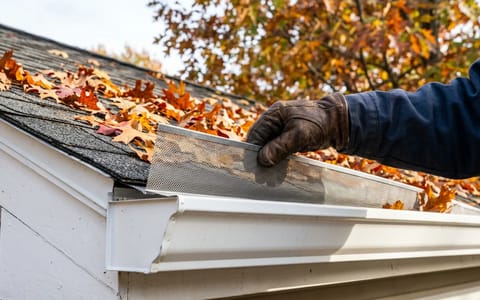
Keep in mind that heat and poor ventilation will shorten these numbers. A badly vented attic bakes the shingles from the inside out. Your roof also works together with your siding and gutters to shed water. If your gutters clog, water backs up under the edge of your roof and rots the wood.
How to spot a roof leak
Water always finds a way in. The trick is catching it before it ruins your ceiling.
The most obvious sign of a leak is a brown water stain on your ceiling. You might also see peeling paint or bubbling drywall. But water travels. A stain in your living room might be coming from a hole in the roof 10 feet away. Water drips onto your attic insulation, runs down a rafter, and pools in a totally different spot.
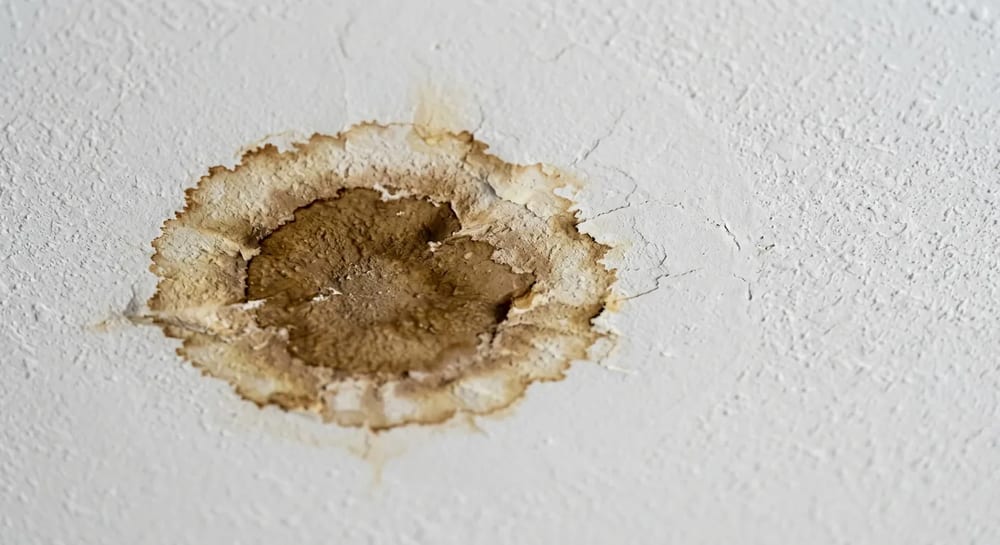
The best time to check for leaks is during a heavy rainstorm. Grab a flashlight and carefully poke your head into the attic. Look for dripping water, dark spots on the wood, or flattened, wet insulation. Catching a leak early saves you money and prevents major mold problems down the road.
Checking for storm damage
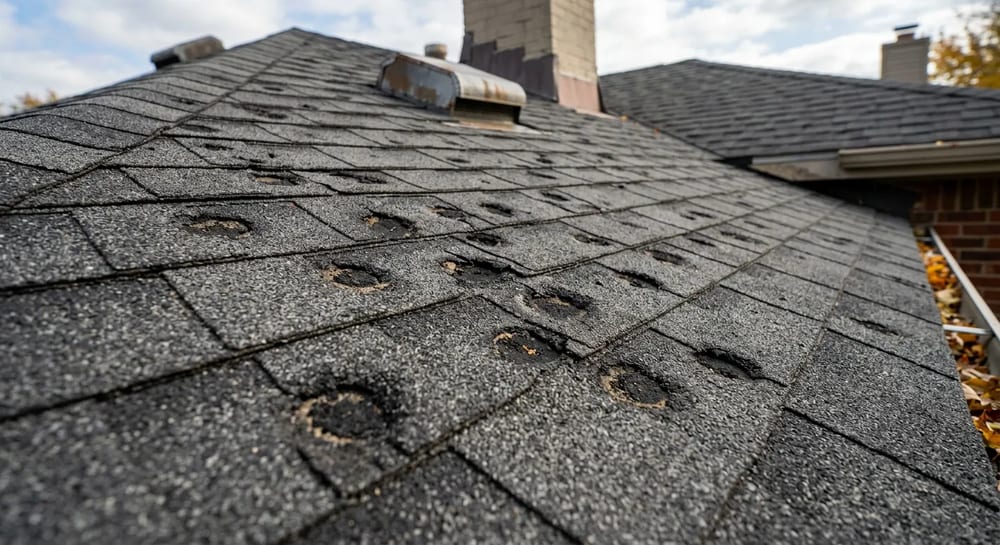
Big storms are the enemy of a healthy roof. High winds can lift shingles right off the deck. Hail acts like a hammer, knocking the protective colored granules off your shingles and exposing the black asphalt underneath.
Walk around your yard after a storm. Look for pieces of shingles in the grass. Check your gutters and downspouts for a heavy buildup of shingle granules. If you see dented metal vents or missing shingles, you likely have storm damage. This is the time to review your home insurance policy to see what your deductible is for wind and hail.
Should you repair or replace?
If a tree branch punches a hole in a brand new roof, you just fix the hole. But if your roof is 18 years old and starts leaking in three places, a repair is a waste of money. You have to weigh the cost of the fix against the remaining life of the roof.
A good rule of thumb is the 30 percent rule. If more than 30 percent of your roof is damaged, or if a repair costs more than a third of a total replacement, just replace the whole thing.
Roofing costs and materials
Roofing is expensive. The price depends heavily on the material you choose, the steepness of your roof, and whether the crew has to tear off one or two layers of old shingles first. Please note that these are rough ballpark estimates. Costs vary by region, the scope of the job, and your home's age.
| Material Type | Average Lifespan | Pros | Cons |
|---|---|---|---|
| Basic Asphalt | 15 to 20 years | Cheapest option, easy to install | Blows off easily in high winds |
| Architectural Asphalt | 25 to 30 years | Looks great, handles wind well | Costs slightly more than basic |
| Standing Seam Metal | 40 to 70 years | Sheds snow, extremely durable | Very expensive upfront cost |
| Natural Slate | 75 to 100+ years | Beautiful, fireproof, outlasts you | Heavy, requires a reinforced frame |
Here is a look at what you might expect to pay to completely replace the roof on an average 2,000 square foot house.
Working with roofing contractors
Do not hire the first person who knocks on your door after a hailstorm. Storm chasers travel the country looking for quick insurance payouts. You want a local company with a physical address and good reviews.
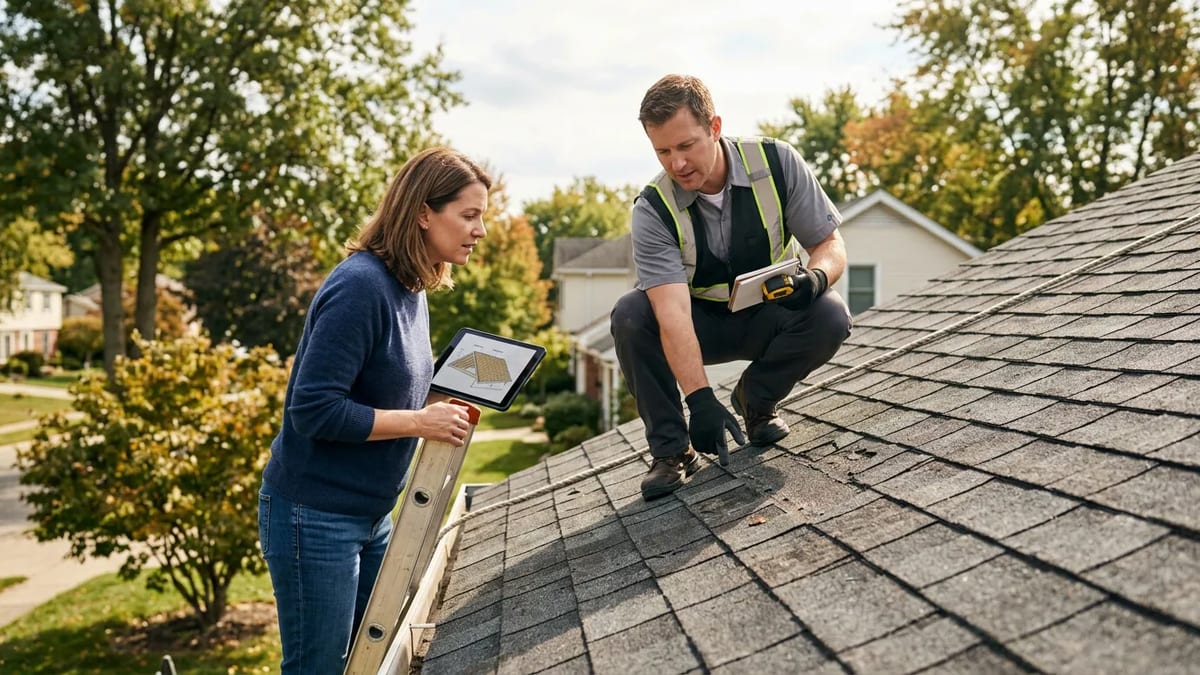
Always get three bids. Read our guide on hiring contractors to learn how to compare quotes. Make sure the quote includes tearing off the old roof, replacing any rotten wood underneath, installing new underlayment, and cleaning up with a magnetic nail sweeper.
What to expect on installation day
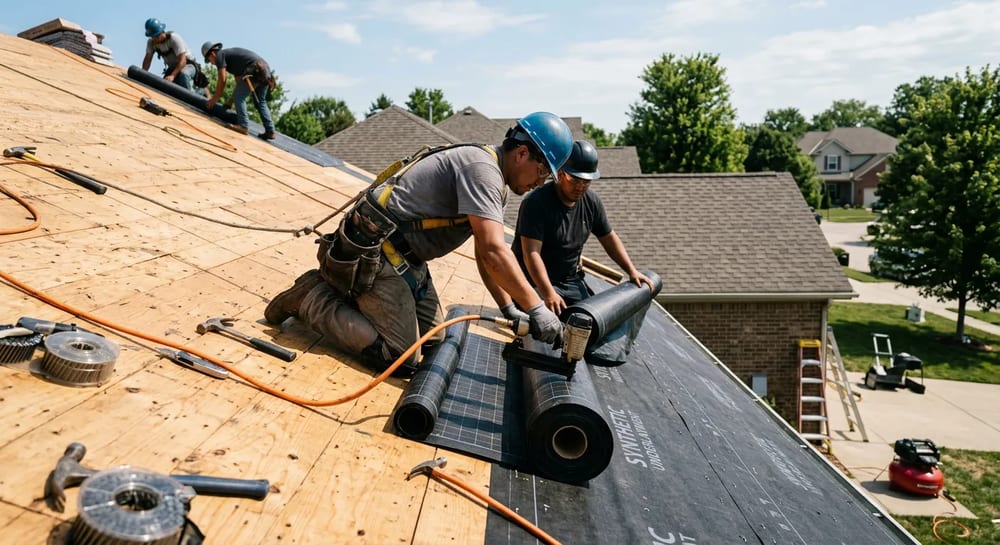
Roofing is incredibly loud and messy. The crew will show up early and start tearing off thousands of pounds of old asphalt. They will throw it straight down into a dumpster in your driveway. Your house will vibrate, and dust will fall from your attic ceiling.
A good crew will lay tarps over your bushes. They know that falling debris can wreck your landscaping and outdoor lighting. Move your cars out of the garage the night before, because the dumpster will block you in. Most standard residential roofs take just one or two days to finish.
What a new roof costs
Roof replacement cost is the question every homeowner asks first, and the honest answer is that it depends on several things. Roofers price by the square, which is 100 square feet of roof surface. An average single-story house has 20 to 30 squares, but a steep or cut-up roof has far more surface than its floor plan suggests.
A few factors push the number up or down:
- Squares: More roof area means more material and labor. This is the biggest single driver.
- Pitch: A steep roof is slow and dangerous to walk, so crews charge more for the added time and safety gear.
- Material: Asphalt is the floor; metal, tile, and slate climb sharply from there.
- Tear-off and layers: Stripping one layer of old shingles is standard. A second or third layer adds disposal cost and dumpster weight.
- Repairs: Rotten decking found after tear-off is replaced by the sheet, and that is rarely in the first quote.
These are rough North American ranges that swing with your region, the season, and how busy local crews are. Treat them as a starting point, not a fixed price.
| Material | Cost per square (installed) | Total for an average home |
|---|---|---|
| 3-tab asphalt | $350 to $500 | $5,000 to $12,000 |
| Architectural shingle | $450 to $700 | $8,000 to $16,000 |
| Standing seam metal | $900 to $1,600 | $14,000 to $30,000 |
| Clay or concrete tile | $1,000 to $2,000 | $20,000 to $40,000 |
| Natural slate | $1,500 to $3,000+ | $25,000 to $60,000+ |
Signs you need a new roof
A roof rarely fails all at once. It gives you warnings for years, and learning to read them is the difference between a planned replacement and a panicked one after the ceiling caves. Age is the first clue. If your asphalt roof is past 20 years, even a clean-looking surface is living on borrowed time.
Watch for these signs that a patch will no longer cut it:
- Curling and cupping: Shingle corners that lift or bowl mean the asphalt has dried out across the whole roof.
- Bald shingles: Bare black patches where the granules are gone leave the asphalt exposed to the sun.
- Granules in the gutters: A gritty pile at the bottom of the downspout is your roof shedding its protective coat.
- Daylight in the attic: Pinpoints of light through the decking mean gaps that let water in too.
- Sagging: A dip or wave in the roofline points to wet, rotting decking underneath and needs a pro fast.
- Repeated leaks: Two or three leaks in different spots in one season usually means the whole field is failing.
One or two missing shingles after a windstorm is a repair. But when several of these signs show up together, you are paying to patch a roof that wants replacing. Spend the repair money on a few bids instead, and read the repair-or-replace section above for the 30 percent rule.
Common roof leaks and what causes them
The shingles themselves are rarely the first thing to leak. Water finds the seams, the edges, and anywhere the roof gets interrupted. Knowing the usual suspects helps you point a roofer straight at the problem instead of paying for a guessing game.
Most leaks start in one of these spots:
- Flashing: The bent metal that seals around chimneys, walls, and skylights. Old caulk cracks and the metal lifts, and this is the number one source of leaks.
- Valleys: Where two slopes meet, all the runoff funnels through. A worn valley channels a lot of water under the shingles.
- Penetrations: Plumbing vents, exhaust fans, and the rubber boots around them dry out and split after 10 to 15 years.
- Ice dams: In cold climates, snow melts off a warm attic and refreezes at the cold eave, forcing water back uphill under the shingles.
- Clogged gutters: When water cannot drain, it backs up under the roof edge and rots the decking and fascia.
Your roof works with the rest of the shell, so a leak can trace back to your gutters and siding rather than the shingles. Persistent moisture also feeds mold and rot in the attic, so chasing the source early pays off twice.
Working with a roofer and insurance
A roof is one of the biggest checks a homeowner writes, so slow down before you sign. Get at least three written quotes and make sure each one lists the same scope: tear-off, new underlayment, ice and water shield, flashing, and cleanup. A bid that is far lower than the others is usually leaving something out, not giving you a deal.
Two kinds of warranty come with a new roof, and they are not the same thing. The manufacturer warranty covers the shingles against defects, often 25 to 50 years, but only if they were installed to spec. The workmanship warranty is the roofer's own promise on the labor, usually 2 to 10 years, and it is only as good as the company standing behind it. Read both and keep the paperwork.
Insurance is for sudden, accidental damage, not for a worn-out roof. A hailstorm, a windstorm that strips shingles, or a tree through the deck is a claim. Shingles that simply aged out from sun and time are not. If you think a storm caused the damage, document it with photos and dates, then call your insurer before a contractor, since the adjuster decides what is covered. Your home insurance guide walks through deductibles, and the hiring contractors guide covers how to vet a crew.