What Are Asphalt Granules?
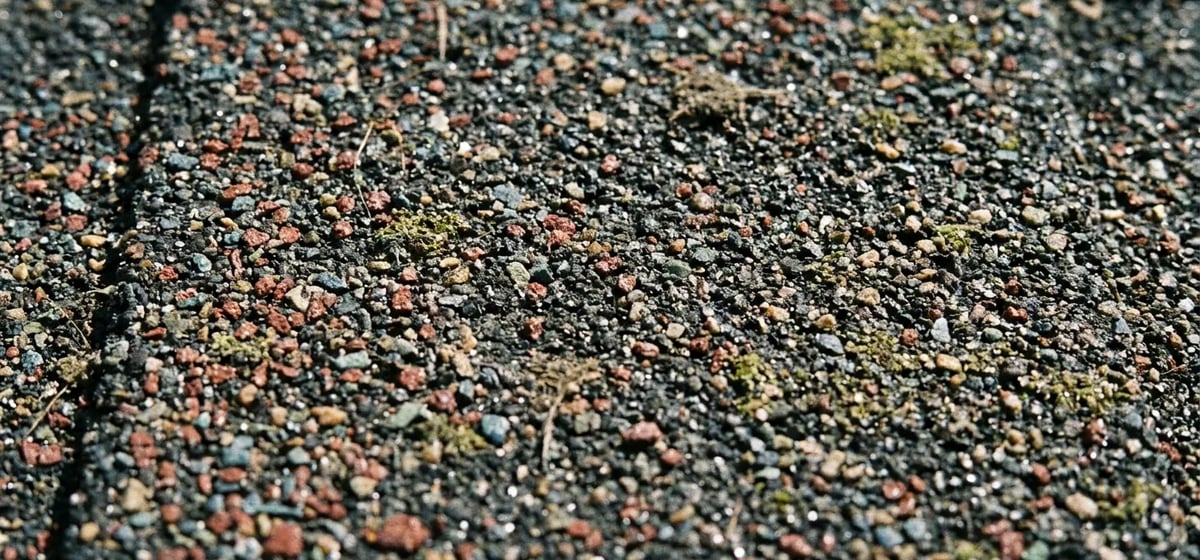
If you look closely at a standard roof, you'll notice the shingles have a rough, sandy texture. That texture comes from asphalt granules. The word granule comes from the Latin word granulum, meaning a small grain. Roofing manufacturers started adding these crushed stones to shingles in the early 1900s. They realized that bare asphalt breaks down quickly in direct sunlight.
Today, these granules are made from hard crushed rock. Manufacturers coat the tiny stones in a ceramic glaze and bake them at high temperatures. This process gives the granules their color. Finally, heavy rollers press the hot, colored stones into the top layer of the asphalt shingle before it cools. This creates a tough outer shell for your home.
The ceramic coating on the granules also reflects sunlight. Lighter colored granules bounce the sun's heat away from your attic. This helps keep your home cooler in the summer and lowers your energy bills.
Why They Matter to Your Roof
Asphalt granules do much more than make your house look nice. They're the first line of defense for your Roofing system. Here's what they actually do for your home:
- Sun protection: Their main job is to block ultraviolet rays from the sun. Without this rocky shield, the sun would bake the asphalt base. The shingles would dry out, crack, and eventually leak.
- Fire resistance: The thick rock layer makes it much harder for flying embers from a wildfire or a chimney to ignite your roof.
- Safety and grip: The extra weight helps hold the shingles down during high winds. The rough texture also makes it safer for roofers to walk on your house during an inspection.
Where You'll See Them
You'll rarely notice granules when they stay on the roof. You usually spot them when they fall off. It's completely normal for a brand new roof to shed extra granules. Manufacturers apply more stones than the asphalt can actually hold. During your first few heavy rains, these loose stones will wash down into your gutters. You might see a small pile of gritty sand at the bottom of your downspouts.
When you clean your gutters in the fall, pay attention to what you scoop out. A few spoonfuls of granules are nothing to worry about. However, if you are scooping out heavy cups of this rocky sand, you need to pay closer attention to your roof's health.
Finding granules becomes a problem as your roof gets older. Over time, wind, rain, and hail knock the stones loose. When a shingle loses too many granules, it develops bald spots. These dark patches mean the bare asphalt is exposed to the sun. If you see large amounts of coarse, colored sand in your gutters year after year, your roof is reaching the end of its life.
When to Call a Pro
You should hire a roofer to inspect your home if you notice bald spots on your shingles or heavy granule loss in your gutters. A professional roof inspection typically costs 150 to 300 dollars, though local ranges vary. The inspector will tell you if the granule loss is normal wear and tear or severe damage.
If a severe storm caused the sudden granule loss, you might need to file a claim with your Home Insurance provider. Insurance often covers storm damage, but they'll want proof that the roof is compromised. A local roofing contractor can document the bald spots and help you decide if it's time for a replacement. If you do need a new roof, expect to pay between 8,000 and 15,000 dollars, depending on the size of your home and the materials you choose. You can learn more about gathering estimates in our guide to Hiring Contractors & What Things Cost.