What a Check Valve Is
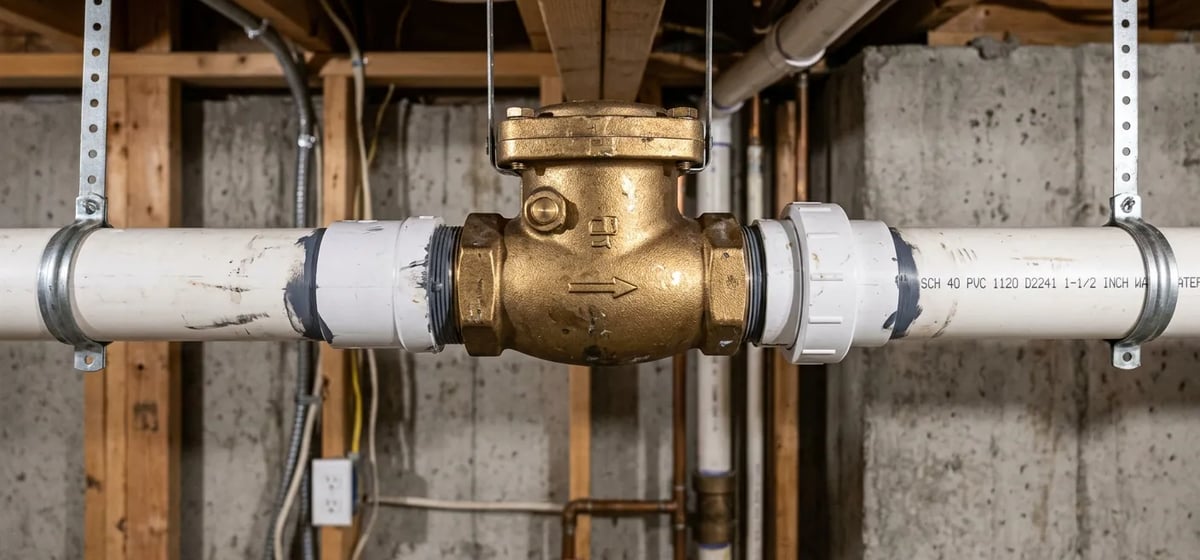
A check valve is a simple plumbing part that only lets water flow in one direction. Think of it like a one-way street for water. When water pushes forward, a small flap or spring inside the valve opens up to let the water pass through. When the water tries to flow backward, that same flap snaps shut. This stops water from going where it does not belong.
The word check comes from the game of chess. It means to stop or block a move. Plumbers started using the term in the 1800s for valves that block reverse water flow. Today, you will find these valves made of plastic, brass, or stainless steel depending on what kind of pipes you have in your house.
Why It Matters to You
You need check valves to keep your home safe and clean. They stop dirty water from mixing with your fresh drinking water. If a city water main breaks, the water pressure in your neighborhood drops fast. Without a check valve, the dirty water sitting in your garden hose or sprinkler system could get sucked back into your clean water supply. This dangerous process is called backflow.
Check valves also protect your home from flooding. If you have a basement, you probably have a sump pump sitting in a pit. The check valve on a sump pump makes sure the water pumped out of your basement does not just pour right back down the pipe. This simple part stops major water damage and helps you avoid costly Home Emergencies.
Where You Will Find Them
You will run into check valves in a few common spots around your home. Most of them are part of your basic Plumbing system. You might never notice them until something goes wrong.
- Sump pumps: The valve sits right on the PVC pipe leading up and out of the pump. It keeps the pumped water from falling back into the pit.
- Main water line: Many homes have a check valve right where the city water enters the house. It protects the public water supply from anything inside your home.
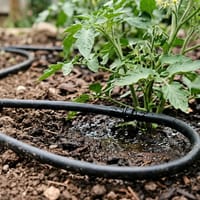
- Sprinkler systems: Irrigation lines sit in the dirt and mud. A check valve stops that muddy yard water from backing up into your home pipes.
- Sewer lines: A backwater valve is a large check valve on your main sewer line. It stops city sewage from backing up into your drains during heavy rain.
What to Watch For and What It Costs
Check valves work hard and eventually wear out. The internal rubber flap can get stuck open, dry out, or break off completely. When this happens, you might hear a loud clunking noise when your sump pump turns off. You might also notice your pump running much more often than usual because it is pumping the same water twice. If you have a check valve on your sewer line, a failure could mean gross smells or slow drains in your lowest bathrooms.
If you need to replace a check valve, the parts themselves are usually cheap. The total cost depends entirely on where the valve is located and how hard it is to reach. Keep in mind that prices and ranges vary based on where you live and the plumber you hire.
Here are some typical replacement costs you might see:
- Sump pump check valve: The plastic part costs 15 to 30 dollars at a hardware store. If you hire a pro to cut the pipe and install it, expect to pay 150 to 250 dollars total.
- Sprinkler system backflow valve: Replacing this outdoor brass part usually costs 150 to 400 dollars.
- Sewer line backwater valve: This is a very big job. Installing a new one often requires digging up your front yard or breaking through your concrete basement floor. You can expect to pay 1000 to 2500 dollars. This is a common upgrade if you have Foundation & Structure issues with ground water seeping in.
Check valves do not require much daily maintenance. You just need to keep an eye out for small water leaks around the pipe joints. If you hear loud banging noises in your pipes, call a plumber to take a look. A failing valve is much cheaper to replace before it causes a major flood.