What an Arborist Does
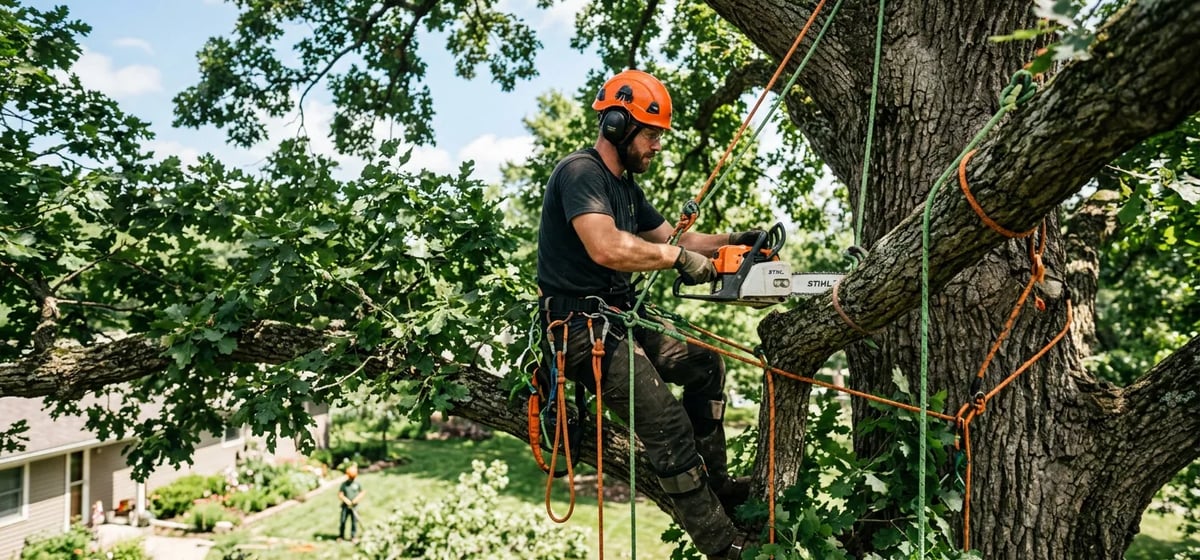
An arborist is a trained professional who knows how to plant, care for, and safely remove trees. The word comes from the Latin word arbor, meaning tree. The profession grew in the 20th century as cities and homeowners realized they needed experts to manage large trees near buildings. You hire them to diagnose tree diseases, trim dangerous branches, or grind down leftover stumps. They use special climbing gear, bucket trucks, and chainsaws to do work that is too dangerous for a normal homeowner.
Arborists do much more than just chop down trees. They act like tree doctors. If you have a sick oak tree in your front yard, an arborist can figure out what disease it has. They can tell you if a tree needs fertilizer, bug treatment, or better watering. They also know how to prune branches so the tree stays healthy and grows in a safe direction. If a tree is dead or leaning too close to your house, they have the heavy equipment and training to take it down safely piece by piece.
Why You Need One
Trees are extremely heavy and unpredictable. A falling branch can crush a roof, smash a parked car, or seriously hurt someone. Trying to cut down a large tree yourself is a fast way to cause major property damage or end up in the hospital. Read more about DIY vs. Hiring a Pro to understand the severe risks involved. Certified arborists carry special liability insurance and workers compensation to cover any accidents that happen on your property.
They also understand local laws and neighborhood rules. Many cities require a special permit before you can cut down certain types of trees or trees over a specific size. A certified arborist will usually handle that paperwork for you. They also know how to protect the rest of your yard from heavy falling logs.
When to Call a Pro
You should call an arborist if you notice warning signs on the trees in your yard. Catching a problem early can save the tree and save you money. Look for these common red flags:
- Dead or bare branches hanging high up in the canopy.
- Deep cracks splitting the main trunk.
- Roots lifting out of the ground or soil heaving near the base.
- Fungi or mushrooms growing near the roots, which often means the inside is rotting.
- Branches rubbing against your siding or growing directly over your roof.
Keeping trees away from your house protects your Roofing and keeps squirrels or bugs out of your attic. If a big storm rolls through and a tree leans suddenly, you should call an arborist right away for an emergency inspection.
What to Expect and What It Costs
When you hire an arborist, they will usually come out for a free or low cost estimate. They will look at the tree, check for overhead power lines, and figure out how to bring their heavy equipment into your yard. Tree work isn't cheap, but costs vary based on where you live, the size of the tree, and how hard the job is.
A simple trim to remove a few dead branches might cost 150 to 400 dollars. Removing a medium tree usually costs 500 to 1000 dollars. If you have a massive tree close to your house or tangled near power lines, removal can cost 2000 to 4000 dollars or more. Stump grinding is usually an extra fee that runs 100 to 300 dollars per stump. You can learn more about finding good help in our guide to Hiring Contractors & What Things Cost.