What Is a Kilowatt?
A kilowatt is a simple way to measure electrical power. One kilowatt equals exactly 1,000 watts. You can think of watts and kilowatts like the horsepower in a car engine. It measures how much power an appliance needs to run at one specific moment. If you turn on ten 100-watt light bulbs at the exact same time, you are using one kilowatt of power.
You'll deal with this word often when you own a home. It helps you understand how much energy your house uses. It also helps you figure out the size of the electrical panels and generators you might need. If you ever upgrade your home Electrical system, your electrician will talk about power loads in kilowatts.
You might also see the abbreviation kW used in manuals or on warning labels. This is just the standard shorthand. When you look at the sticker on the back of a television or a power tool, you might see the power listed in plain watts instead. You just divide that number by 1,000 to find the kilowatts. A 1,500-watt space heater is exactly the same thing as a 1.5-kilowatt space heater. They are just two ways of saying the exact same thing.
Kilowatts vs. Kilowatt-Hours
People often mix up kilowatts and kilowatt-hours. It's easy to do, but they measure two different things. A kilowatt is the rate of power you need right now. A kilowatt-hour is the total amount of energy you use over time. Think of a kilowatt like the speed your car is driving. The kilowatt-hour is the total distance you drove on your trip.
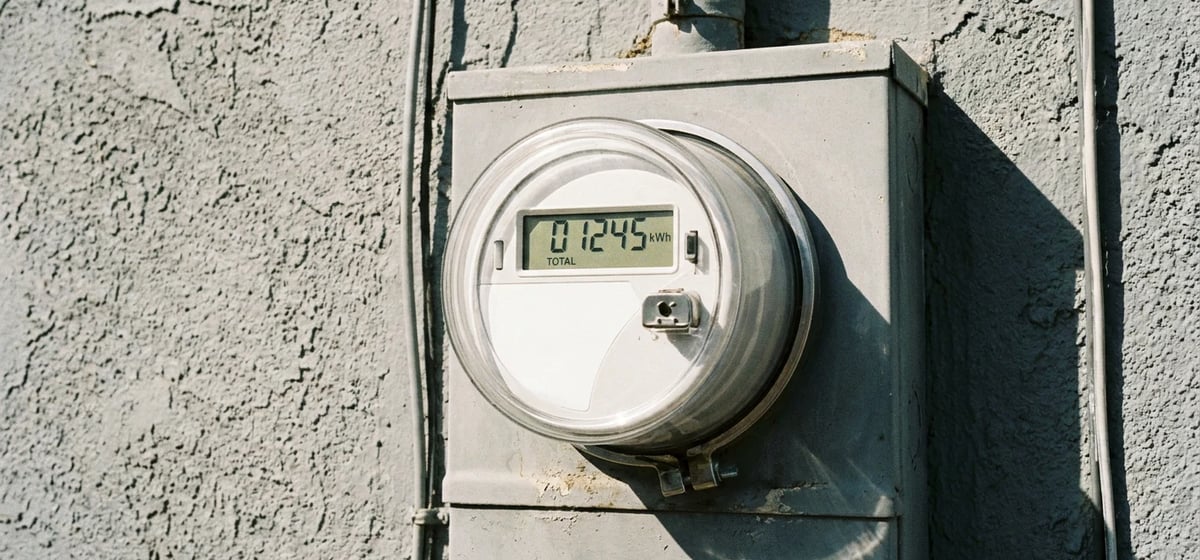
If you run a 1,000-watt microwave for one full hour, you have used one kilowatt-hour of energy. Your utility company bills you for kilowatt-hours. They don't bill you for plain kilowatts unless you have a special peak demand charge. You'll see the letters kWh on your monthly electric bill to show your total energy use.
Where You Will See Kilowatts
You'll bump into this measurement in a few common places around your home.
- Buying appliances: Big items like water heaters and ovens list their power needs in kilowatts.
- Generators: Portable and whole-house generators are sold by their kilowatt rating. A 20-kilowatt generator can run much more of your house than a 5-kilowatt generator.
- Solar power: When you shop for Solar Panels, contractors will size your system in kilowatts. A typical home system might be 5 to 10 kilowatts.
- Electric vehicles: If you buy an electric car, the charging speed is measured in plain kilowatts. A faster charger pushes more kilowatts into the car at once.
Common Household Power Needs
Every device in your house draws a different amount of power. Small electronics use just a few watts. Heavy appliances need multiple kilowatts to do their job. Here's a rough look at what some common items need to run.
| Appliance | Power Needed |
|---|---|
| Central Air Conditioner | 3 to 5 kilowatts |
| Electric Water Heater | 4 to 5 kilowatts |
| Electric Clothes Dryer | 2 to 4 kilowatts |
| Microwave Oven | 1 to 1.5 kilowatts |
| Refrigerator | 0.3 to 0.8 kilowatts |
Knowing these numbers helps if the power goes out. You can add up the kilowatts of the things you want to run. That total tells you exactly what size generator you need to buy.
How This Impacts Your Wallet
Understanding kilowatts helps you manage your home budget. When you buy a high-kilowatt appliance, it costs more to run. If you replace an old 5-kilowatt air conditioner with a highly efficient 3-kilowatt model, your monthly bills will drop.
Your local electricity rates also matter. In the United States, electricity usually costs 10 to 30 cents per kilowatt-hour. Let's say you run a 4-kilowatt clothes dryer for one hour. You used 4 kilowatt-hours of energy. If your rate is 15 cents, that single load of laundry cost you 60 cents to dry. Over a whole year, those pennies add up fast.
This measurement also dictates the price of large home upgrades. A whole-house backup generator usually costs $5,000 to $12,000 to install. The price swings heavily based on the kilowatt size you choose. The same goes for solar energy systems. A standard 6-kilowatt solar setup might cost $15,000 to $20,000 before tax credits. Prices and ranges vary widely based on where you live and the brand you pick. By knowing what a kilowatt is, you make smarter choices and avoid buying more power than your home actually needs.