What Is A Riser?
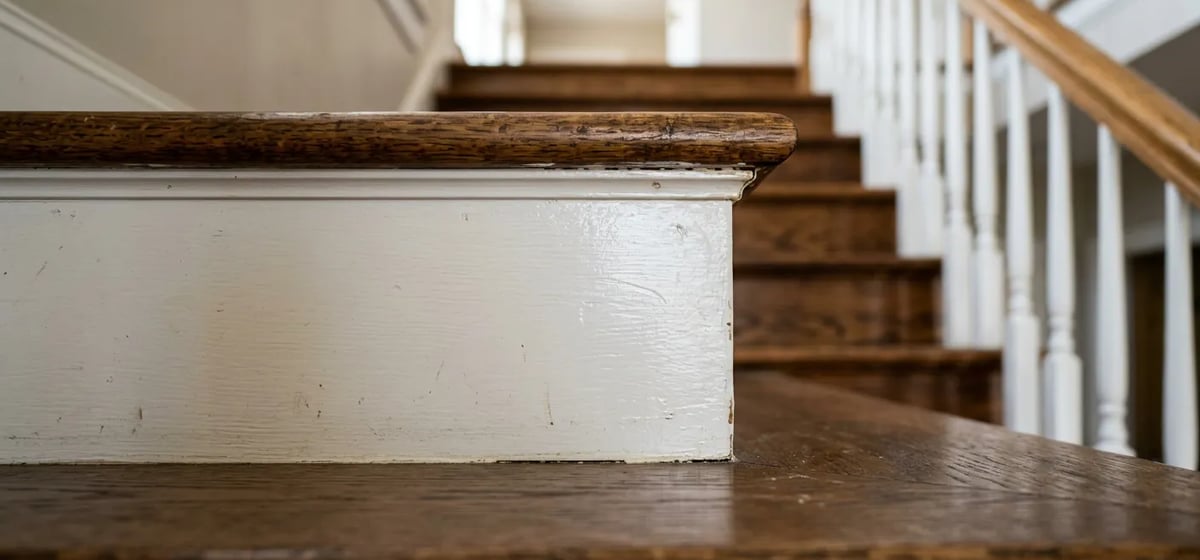
A stair riser is the vertical board placed at the back of a stair step. It connects one step to the next. The word comes from the verb "rise" because it creates the upward height of the stairs. Carpenters have used this term for centuries. When you walk up a flight of stairs, the part your toe might kick is the riser. The flat part you actually step on is called the tread. Together, the tread and the riser make up the basic structure of your staircase.
Why It Matters In Your Home
This simple board does two very important jobs. First, it closes the gap between steps. This stops your foot from slipping through the back of the stairs. It is a major safety feature, especially if you have small children or pets. Second, it adds serious strength to the staircase. The vertical board acts like a tiny wall that supports the flat tread above it. Without this support, your stairs might feel bouncy or weak over time. You will almost always see them on indoor stairs for both safety and structural reasons.
Common Materials And Costs
Builders use many different materials for this part of the stair. Pine and medium density fiberboard are very common for painted stairs. Oak or maple are popular if you want a natural wood stain. Some homeowners even use decorative tile or wallpaper to add a pop of color to their entryway. White painted wood is the most popular choice because it brightens up dark hallways.
If you want to replace or upgrade them, materials usually cost 15 to 50 dollars per step. Labor will add more to that price. Prices always vary based on where you live and the exact materials you choose. If you plan to hire a carpenter to rebuild your stairs, check out our guide on Hiring Contractors & What Things Cost.
Maintenance And Common Problems
These vertical boards take a beating. People kick them with heavy shoes and bump them with vacuum cleaners all the time. Scuff marks, dents, and chipped paint are very common. If you paint yours, choose a tough semi-gloss paint so you can wipe it clean easily. You might also notice squeaks when you walk upstairs. A squeak often happens when the tread rubs against the vertical board. You can usually fix this by adding wood glue or driving screws from behind the stairs to tighten the joint.
Gaps can also form if the wood shrinks as it ages. If you notice large gaps or cracked wood, it might be time to update your Interior: Paint, Drywall & Trim.
Indoor Stairs Versus Outdoor Decks
You will notice a big difference when you look at outdoor stairs. Many outdoor decks leave this vertical board off completely. These are called open stairs. They let rain, dirt, and snow fall right through the gaps. This prevents slippery ice from building up on the steps during the winter.
If you are building a new deck, you can learn more about outdoor structures in our section on Exterior: Siding, Garage & Decks. Keep in mind that even outside, local building rules often say the open gap cannot be larger than 4 inches. This rule ensures small children do not slip through the open stairs and get hurt.