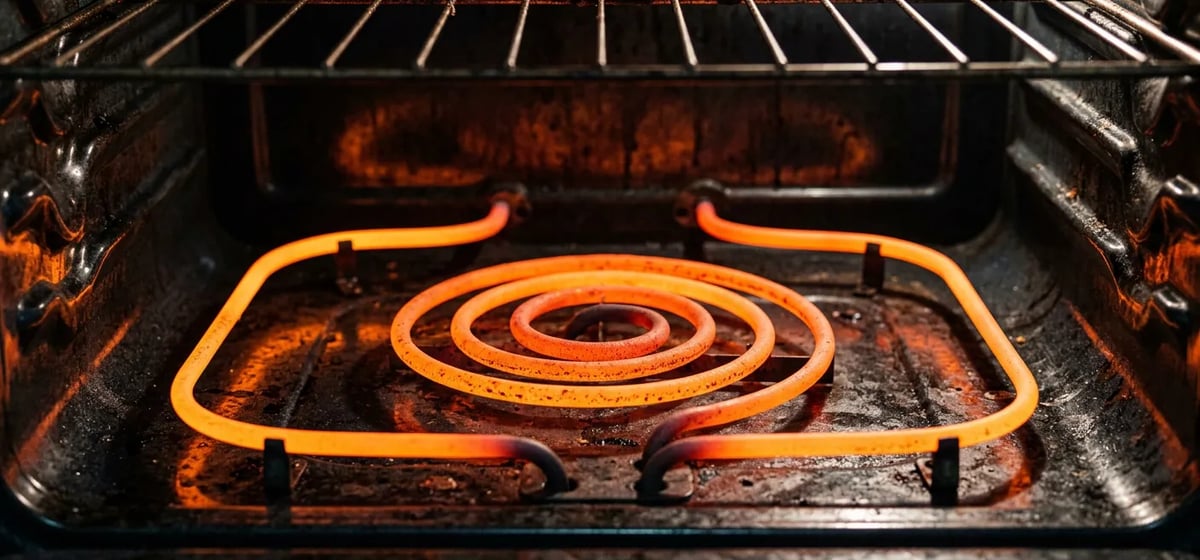
What Is A Bake Element
The bake element is the thick black or grey metal coil located at the very bottom of your electric oven. When you turn the oven on, electricity flows through this coil. The metal resists the electrical current, which creates intense heat. You will know it is working because the coil turns a bright red color. This single part does most of the heavy lifting when you bake a cake or roast a chicken. The word element comes from the Latin word elementum, meaning a basic principle or part. Appliance technicians named this part based on its location and its main function in the baking process.
You will only find a bake element in an electric oven. Gas ovens use a burner tube instead. Most electric ovens actually have two heating parts. The bake element sits on the floor of the oven. The broil element sits at the top. The bottom coil provides the steady, even heat needed for most standard cooking tasks. If you are learning about your Appliances, this is one of the most common parts you will interact with.
Signs Of A Broken Element
Bake elements go through extreme temperature changes every time you cook. Over time, the metal expands and contracts. This constant stress eventually wears the part out. A broken element is the most common reason an electric oven stops heating up.
You can usually tell when this part is failing just by looking at it. Here are the main signs of trouble to watch for:
- Visual damage: Look for cracks, breaks, or small holes in the metal coil.
- Blisters or bubbles: The smooth metal might develop rough spots or look like it is bubbling up.
- Uneven glowing: When you turn the oven on, the entire coil should glow a uniform bright red. If only parts of it glow, the element is dying.
- Cold oven: The oven takes a very long time to preheat or never reaches the set temperature.
- Food cooks poorly: Your meals come out raw on the bottom and burnt on the top because only the top broil element is working.
Hidden Bake Elements
In older ovens, the bottom coil is completely exposed. You can easily see it and touch it. Many modern ovens have a hidden bake element instead. In these models, the manufacturer places the coil under the metal floor of the oven cavity. This design makes the oven much easier to wipe down and clean.
However, a hidden element is much harder to inspect and replace. If your oven has a smooth bottom and stops heating, the hidden coil underneath is still the most likely culprit. You just cannot rely on a visual inspection to confirm it is broken. A technician will need to test the oven from the back to see if the part has failed.
Replacement And Costs
Replacing an exposed bake element is a very straightforward task. You usually just need a screwdriver to remove two screws at the back of the oven wall. You pull the old coil out, unplug the two wires attached to it, plug the new coil in, and screw it back into place. You must always unplug the oven or turn off the circuit breaker before doing this.
If you are deciding between DIY vs. Hiring a Pro, this is a great project for a beginner as long as the element is exposed. Hidden elements are much harder to replace and usually require pulling the entire oven out of the wall and taking apart the back panels. For hidden elements, you might want to call an appliance repair service.
The replacement part itself is very cheap. A new coil usually costs 20 to 50 dollars online or at a local appliance parts store. If you hire a professional to diagnose the problem and replace the part, you can expect to pay between 150 to 250 dollars for the service call and labor. Keep in mind that these ranges vary based on your location and the specific brand of your oven.