What is a Circular Saw?
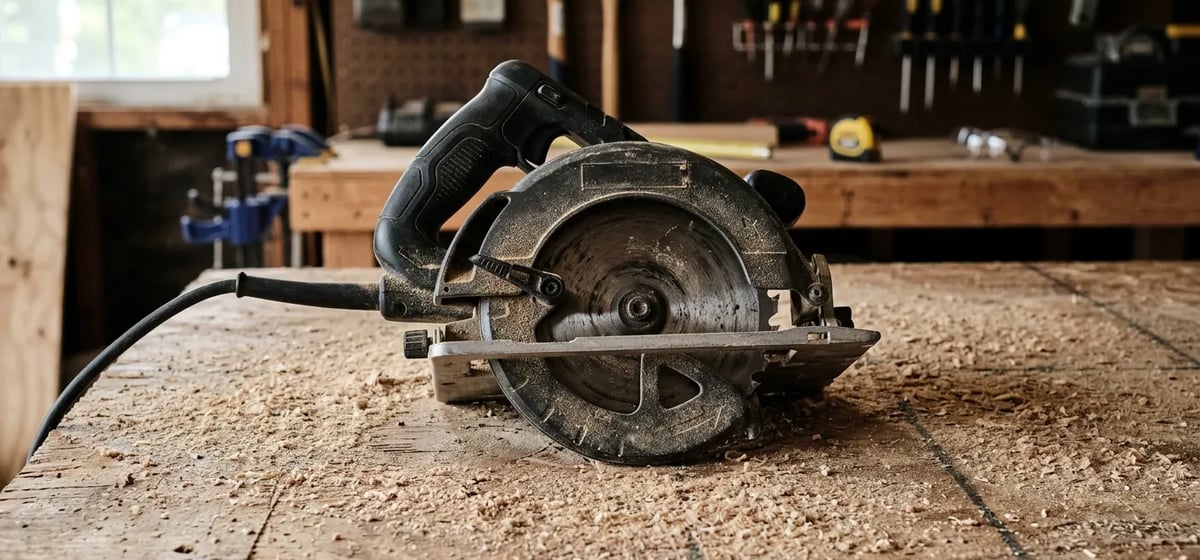
A circular saw is a handheld power tool with a spinning round blade. It is built to cut straight lines through wood. You will see carpenters use it to quickly slice through thick boards and large sheets of plywood. It is one of the most common tools on any home framing job. The tool gets its name from the circular shape of its cutting blade. A Shaker woman named Tabitha Babbitt is credited with inventing the first version in 1813. Since then, it has become a necessary tool for anyone working with wood.
Why It Matters for Your Home
You might not need this tool for everyday chores. But if you take on bigger projects, it becomes incredibly useful. A circular saw makes quick work of cutting two by fours for a new shed. It is perfect for trimming down plywood to patch a hole in your roof. If you are fixing up your outdoor spaces, you will need one to cut boards to size. You can learn more about these outdoor projects in our guide to Exterior: Siding, Garage & Decks.
Before you buy one, you should decide if you really want to do the work yourself. Operating power tools takes practice and a steady hand. If you are unsure, you might want to read about DIY vs. Hiring a Pro. Hiring a professional means they bring their own tools and experience. But if you love building things, owning a circular saw will save you a lot of time.
Types and Typical Costs
When you shop for a circular saw, you will find two main types. Corded saws plug into a wall outlet. They offer steady power and never run out of juice. Cordless saws run on rechargeable batteries. They are much easier to carry around the yard, but the battery will eventually die and need a recharge.
Most circular saws use a blade that is seven and a quarter inches across. This size cuts through standard framing lumber with ease. You can also buy smaller saws for light work or larger ones for heavy beams. Prices depend on the brand and the features.
Here are some rough price ranges you can expect at the hardware store. Keep in mind that costs vary based on your location and the current market.
| Type of Saw | Estimated Cost | Best Use |
|---|---|---|
| Basic Corded Saw | $40 to $80 | Occasional weekend projects |
| Professional Corded Saw | $120 to $160 | Heavy use and thick lumber |
| Cordless Saw (Tool Only) | $100 to $200 | Working outside away from outlets |
Common Blade Types
The blade you choose is just as important as the saw itself. Different materials require different teeth patterns. Here are a few common options you will find at the store:
- Framing blades: These have 24 teeth and are meant for fast, rough cuts in standard lumber.
- Plywood blades: These have 40 to 60 teeth to prevent the thin layers of wood from tearing.
- Masonry blades: These have no teeth and use an abrasive edge to slice through concrete or brick.
Safety Tips and What to Watch For
A spinning blade is dangerous. You must always respect the tool and follow basic safety rules. Never wear loose clothing or jewelry that could get caught in the saw. Always wear safety glasses to protect your eyes from flying sawdust. Hearing protection is also a good idea because these motors are very loud.
Watch out for kickback: Kickback happens when the blade gets pinched in the wood. The saw can suddenly jump backward toward you. To prevent this, always make sure your wood is supported properly before you start your cut.
You also need to choose the right blade for the job. A blade with fewer teeth cuts fast but leaves a rough edge. A blade with more teeth makes a very smooth cut. You would use a smooth blade when working on Interior: Paint, Drywall & Trim. Always unplug the saw or remove the battery before you change the blade. This guarantees the saw cannot turn on by accident while your hands are near the sharp teeth.