Understanding Your Building Envelope
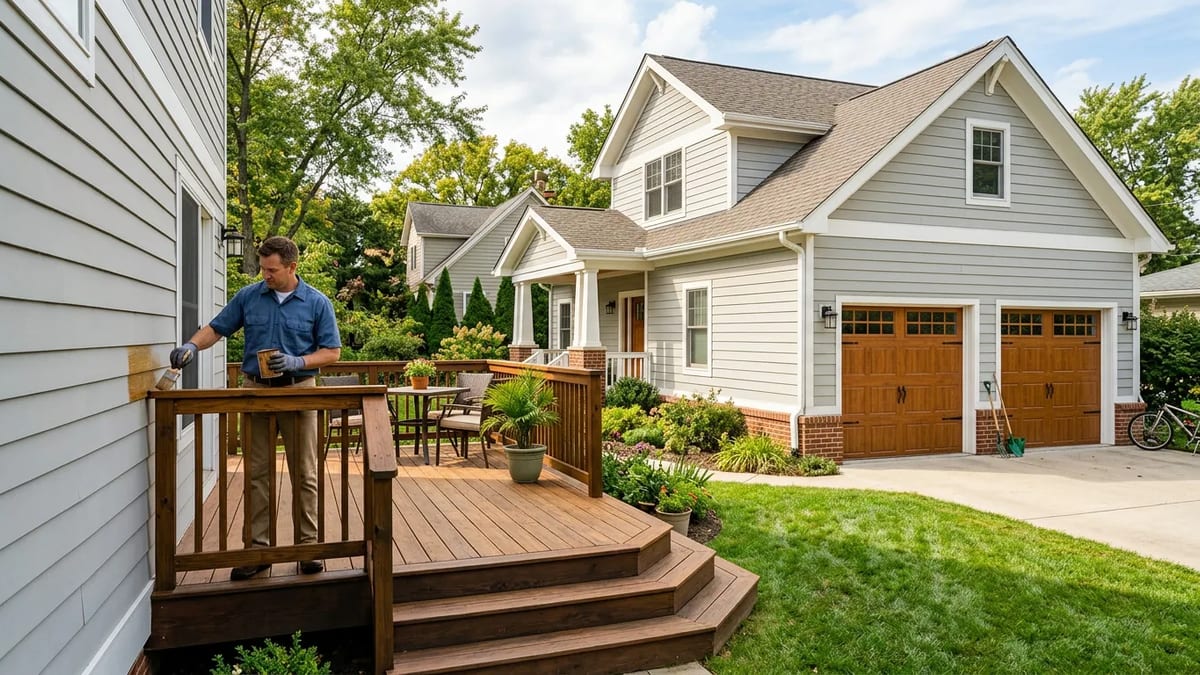
Your home has a skin. Builders call this the building envelope. It includes your siding, soffits, garage doors, and decks. This outer layer takes a beating from the sun, rain, and wind. Its main job is to keep weather out and keep you comfortable inside.
A well maintained exterior also protects the bones of your house. If water sneaks past the siding, it can cause hidden rot. This connects directly to your roofing system to shed water away from your foundation.
Siding Types and Upkeep
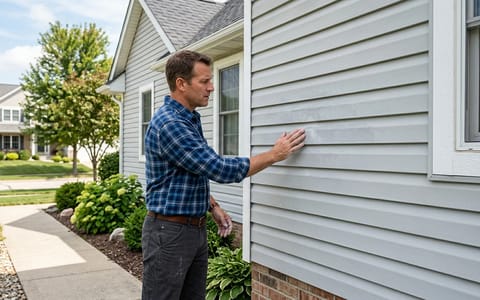
Siding covers the largest area of your home. The material you have dictates how much work you need to do.
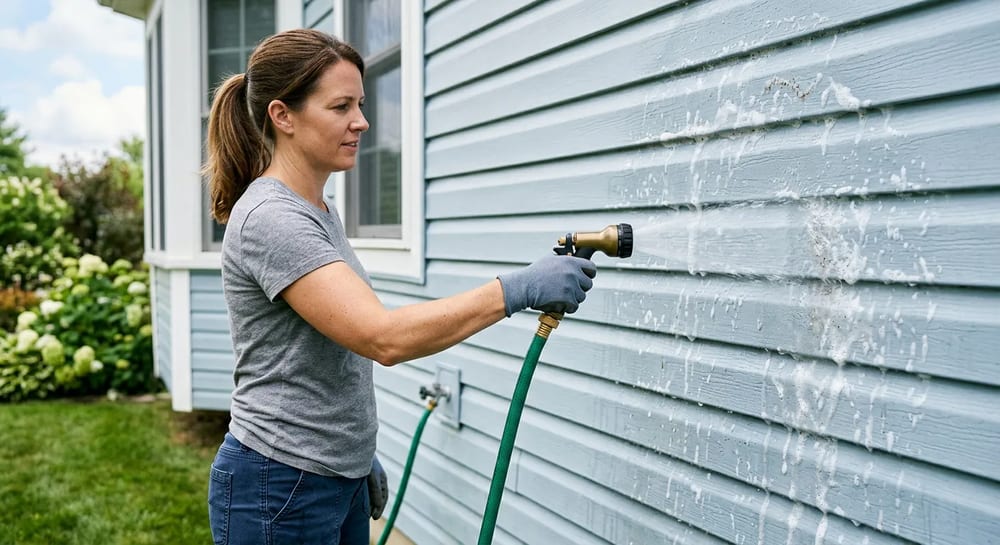
Vinyl siding is cheap and easy to clean. You just wash it with a hose and mild soap once a year. Fiber cement looks like wood but resists fire and rot. It needs fresh paint every 10 to 15 years. Wood siding is beautiful but requires the most work. You must paint or stain it every 3 to 7 years to stop rot. Stucco is tough but can crack as your house settles. You should seal small cracks quickly to keep water out.
Keep in mind that home repair prices vary widely by your region, the scope of the job, and the age of your home. Here is a look at average costs to replace siding on a 1,500 square foot house.
Repairing and Cleaning Siding
Most siding problems start small. A cracked vinyl panel, a loose nail, or a film of green algae looks harmless, but each one lets water creep behind the wall. Catching these issues early is the cheapest form of siding repair you can do. Once water rots the sheathing underneath, the bill jumps from a few dollars to several thousand.
Cleaning is the first line of defense, and how you clean depends on the material. For vinyl siding, mix a gallon of water with a cup of oxygen bleach or a dedicated siding cleaner, then scrub from the bottom up with a soft brush so streaks do not set in. Rinse top down. Fiber cement and wood take the same gentle approach. Skip harsh chlorine bleach on wood, because it strips the stain and raises the grain.
Here is how to spot-repair the most common siding faults before they spread.
| Problem | Likely Cause | Fix |
|---|---|---|
| Cracked vinyl panel | Impact or cold-weather brittleness | Unzip the panel with a siding tool, swap in a matching piece |
| Green or black streaks | Algae and mildew on shaded walls | Wash with oxygen-bleach siding cleaner, repeat yearly |
| Loose or rattling panels | Nails backed out or driven too tight | Renail loosely so the panel can expand and slide |
| Peeling paint on wood or cement | Trapped moisture or old coating | Scrape, prime bare spots, repaint with exterior acrylic |
| Soft, spongy spots | Rot from a long-term leak | Cut out the bad section, check the sheathing, replace |
To swap a single vinyl panel, follow these steps:
- Slide a zip tool under the bottom lip of the panel above the damaged one and pull down to unhook it.
- Pry out the nails holding the broken panel and lift it free.
- Hook the new panel into the course below and nail it loosely in the center of each slot.
- Use the zip tool to lock the panel above back over the new piece.
Soffit and Fascia Basics
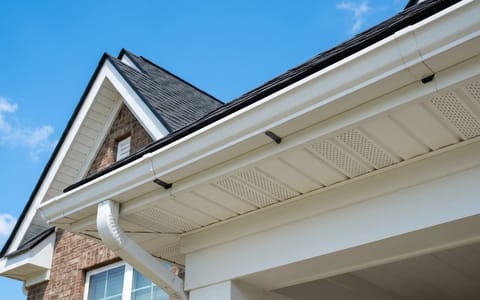
Look up at the edge of your roof. The board facing out is the fascia. Your gutters attach to it. The board underneath that points down to the ground is the soffit.
Soffits usually have little holes or vents. These vents let fresh air into your attic. This stops moisture from building up and ruining your roof. Fascia boards hold your gutters and block water from getting behind your siding.
Keep an eye out for peeling paint or soft spots on these boards. Wood rot here is very common. Pests also love to chew through rotting fascia. If you see signs of bugs or mice, check out our guide to pest control to stop them before they get inside.
Garage Doors and Openers
Your garage door is the largest moving part in your house. It relies on a system of tracks, rollers, and very tight springs.
The opener motor does not actually lift the heavy door. The springs do the heavy lifting. The motor just guides it. You should lubricate the metal rollers and hinges once a year with a garage door spray. Do not use standard WD 40 because it attracts dirt.
Test your auto reverse sensors every few months. Place a roll of paper towels under the open door and press the close button. The door should hit the roll and immediately go back up.
If your door gets stuck or a spring breaks unexpectedly, treat it like one of many home emergencies and call a technician.
A Garage Door Maintenance Routine
Your garage door cycles thousands of times a year, and a little upkeep keeps it quiet, safe, and lasting twice as long. A solid garage door maintenance routine takes about thirty minutes and only needs to happen twice a year, ideally in spring and fall when you are already checking the rest of the exterior.
Work through this seasonal checklist:
- Pull the manual release with the door closed and lift it halfway by hand. A balanced door stays put. If it drops or shoots up, the springs need a pro.
- Spray the rollers, hinges, and springs with a garage door lubricant. Avoid plain WD-40, which strips grease and attracts grit.
- Tighten the bolts and brackets on the tracks and roller arms with a socket wrench, since vibration loosens them over time.
- Wipe the photo-eye sensors near the floor and confirm the indicator lights glow steady, not blinking.
- Test the auto-reverse: lay a wood block flat under the door and close it. The door must bounce back the instant it touches.
When the door starts misbehaving, the symptom usually points straight at the cause.
| Symptom | Likely Cause | What To Do |
|---|---|---|
| Loud grinding or squealing | Dry rollers or hinges | Lubricate all moving parts |
| Door reverses before closing | Dirty or misaligned photo sensors | Clean lenses, realign until lights are steady |
| Door closes then pops back open | Travel limit set too far | Adjust the down-limit screw on the opener |
| One side hangs lower | Frayed or stretched cable | Stop using it, call a technician |
| Loud bang, door will not open | Broken torsion spring | Do not operate, call a pro |
If the opener itself dies or the wiring shorts, treat it the same way you would any other electrical fault and review our home electrical guide before poking around the motor head.
Decks and Patios
A backyard deck is a great place to relax. But sitting out in the weather takes a toll on the materials. You generally have two choices for decking.
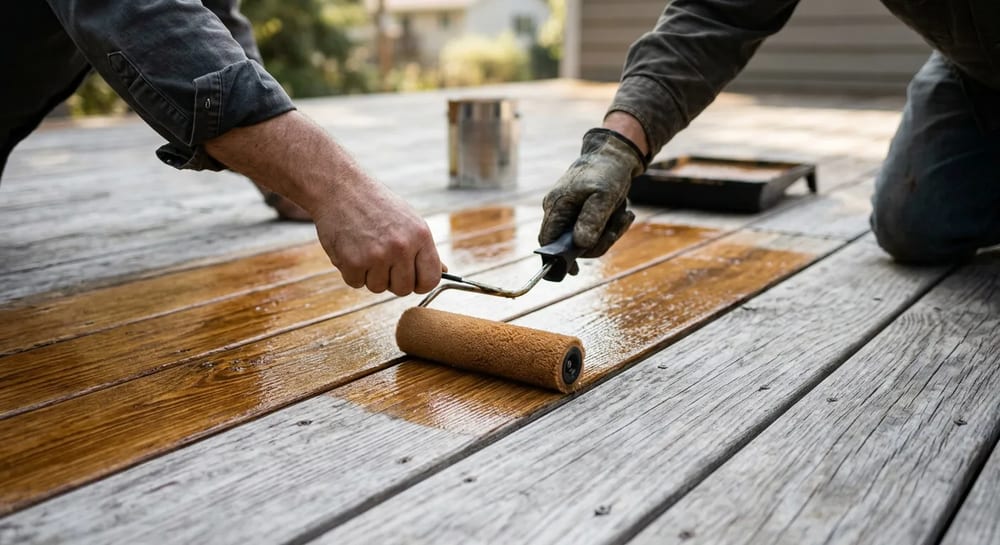
Wood decks are traditional and cheaper upfront. However, they need a lot of care. You must clean and seal them every 2 to 3 years. Composite decking is made from plastic and wood fibers. It costs more at first but needs almost zero upkeep. You just wash it off when it gets dirty.
| Decking Material | Upfront Cost (per sq ft) | Lifespan | Maintenance Needs |
|---|---|---|---|
| Pressure Treated Wood | $15 to $25 | 10 to 15 years | High (Seal every 2 years) |
| Cedar or Redwood | $25 to $40 | 15 to 20 years | High (Seal every 2 years) |
| Composite Boards | $30 to $60 | 25 to 30 years | Low (Wash only) |
Choosing the Best Siding Material
When old siding finally fails, picking the replacement is the biggest exterior decision you will make. The best siding for your home balances upfront cost, how much upkeep you are willing to do, and how it stands up to your climate. There is no single winner, but understanding the modern options narrows the field fast.
Two newer materials get the most questions. Engineered wood siding (the kind sold under names like LP SmartSide) is real wood strands bonded with resin and wax. It paints and cuts like wood and resists the rot and insects that plague natural lumber, all at a friendlier price than fiber cement. Concrete board siding, also called fiber cement, mixes cement, sand, and cellulose into a board that shrugs off fire, rot, and termites. It is heavier and pricier to install, but it can last 30 to 50 years with little more than repainting.
| Siding Type | Installed Cost (per sq ft) | Lifespan | Upkeep | Best For |
|---|---|---|---|---|
| Vinyl | $4 to $9 | 20 to 40 years | Wash yearly | Budget, low maintenance |
| Engineered Wood | $5 to $12 | 20 to 30 years | Repaint 7 to 10 years | Wood look on a budget |
| Concrete Board (Fiber Cement) | $6 to $14 | 30 to 50 years | Repaint 10 to 15 years | Fire and storm zones |
| Natural Wood | $7 to $16 | 20 to 40 years | Stain 3 to 7 years | Classic high-end look |
Costs swing with your region, the size and shape of your walls, and how much old material has to be torn off first. Use the ranges above as a starting point, then collect local quotes before you budget.
Whatever material you choose, the install quality matters as much as the product. Crooked flashing or skipped house wrap will let water in no matter how good the siding is, so vet the crew carefully. Our guide on contractors and costs walks through getting fair bids and reading a siding estimate line by line.
Checking for Exterior Water Damage
Water is the biggest enemy of your home exterior. You want to catch leaks before they get inside and ruin your drywall.
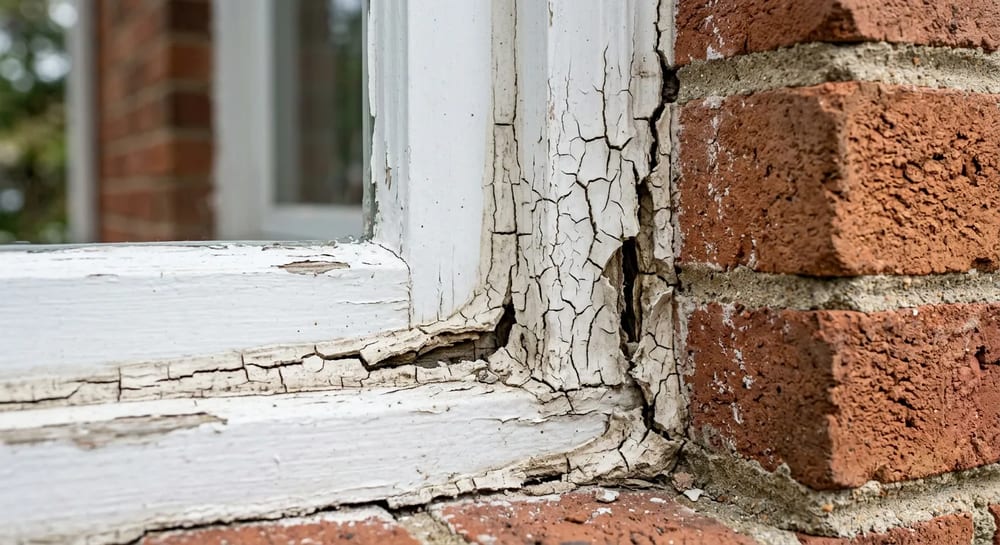
Walk around your house after a heavy rain. Look for places where water pools against the foundation. Check the caulking where your siding meets your windows and doors. Caulk dries out and shrinks over time. If you see gaps, scrape out the old caulk and put in a fresh bead.
When to Repair and When to Replace
Knowing when to fix something versus when to tear it out saves you money.
If your vinyl siding has a single crack from a rogue baseball, you can replace just that one piece. A handyman can do this for $150 to $300. But if the siding is brittle and fading all over, it is time for a full replacement.
The same goes for garage doors. A dented bottom panel can usually be swapped out. But if the door is 20 years old and the tracks are bent, buy a new system. If you are ever unsure about taking on a repair yourself, read our guide on DIY vs. hiring a pro to help you decide.