What is a cleanout?
A cleanout is a capped pipe that gives a plumber direct access to your main sewer line. Every time you flush a toilet or drain a sink, the wastewater travels through your home pipes and into a single large pipe underground. This main line carries the waste out to the city sewer or your septic tank. If that main line clogs, water backs up into your house. The cleanout is the entry point to fix that problem. The name comes directly from early plumbing trades. It is literally the spot where you clean out the pipe.
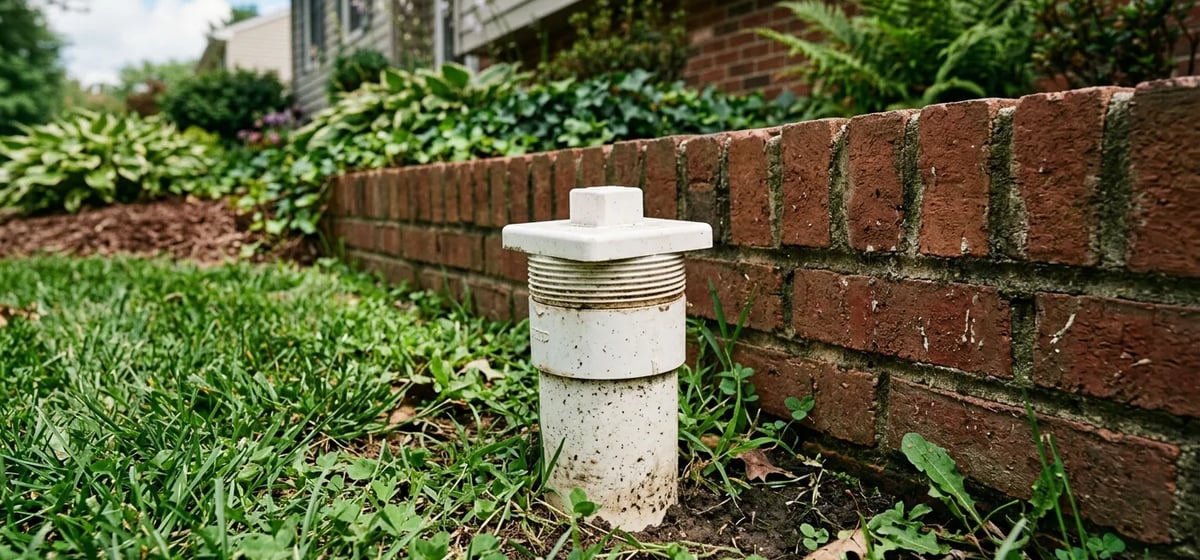
You can usually spot a cleanout by looking for a pipe sticking a few inches out of the ground with a square knob on top. The cap might be white plastic, black plastic, or heavy cast iron. The square knob allows a wrench to grip and turn the cap. Some older homes might not have one outside. In that case, plumbers have to pull a toilet off the floor or climb on the roof to clear a clog.
Where to find your cleanout
You want to know where this pipe is before you have a plumbing emergency. You can usually find it in one of three places.
- In the front yard: Look between your house and the street. It might be hiding in a flower bed or sitting flush with the lawn.
- Near the foundation: Walk around the outside of your house. Look for a pipe sticking out of the exterior wall or the ground right next to the wall.
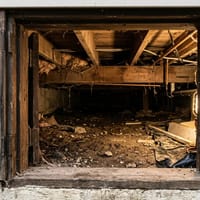
- In the basement or crawlspace: Older homes often have a cast iron cleanout at the base of the main drain stack indoors.
If you just bought the house, finding this cap is a great task for Your First Week as a Homeowner. Keep the area around it clear. Do not plant bushes right over it or cover it with a patio.
Why it matters for your wallet
Tree roots, grease, and flushed wipes can block your sewer line. When that happens, a plumber needs to run a motorized snake or a camera down the pipe to break up the blockage. If you have an accessible outside cleanout, the job is fast and keeps the mess outside. A standard sewer snaking costs 150 to 400 dollars. Prices will vary based on your location and the severity of the clog.
If you do not have a cleanout, the plumber has to work inside your house. They might charge an extra 100 to 200 dollars just to remove and reinstall a toilet to reach the drain. If your home has no cleanout at all, a plumber might suggest adding one. Installing a new exterior cleanout involves digging up your yard. This project usually costs 800 to 3000 dollars. These ranges vary widely depending on how deep your sewer line is buried.
What to watch for
You should inspect the cap a few times a year. Make sure it is screwed on tight. A loose or missing cap lets dirt, rocks, and small animals fall into your sewer line. This will cause a massive clog. It also lets nasty sewer gases escape into your yard. If you notice bad odors near your foundation, a loose cap is often the culprit.
Lawnmowers and weed trimmers often damage plastic cleanout caps. If your cap gets cracked, you can buy a replacement at any hardware store for about five dollars. Just measure the width of the pipe before you go. Taking care of this small piece of Plumbing saves you from massive headaches down the road.