What is clapboard?
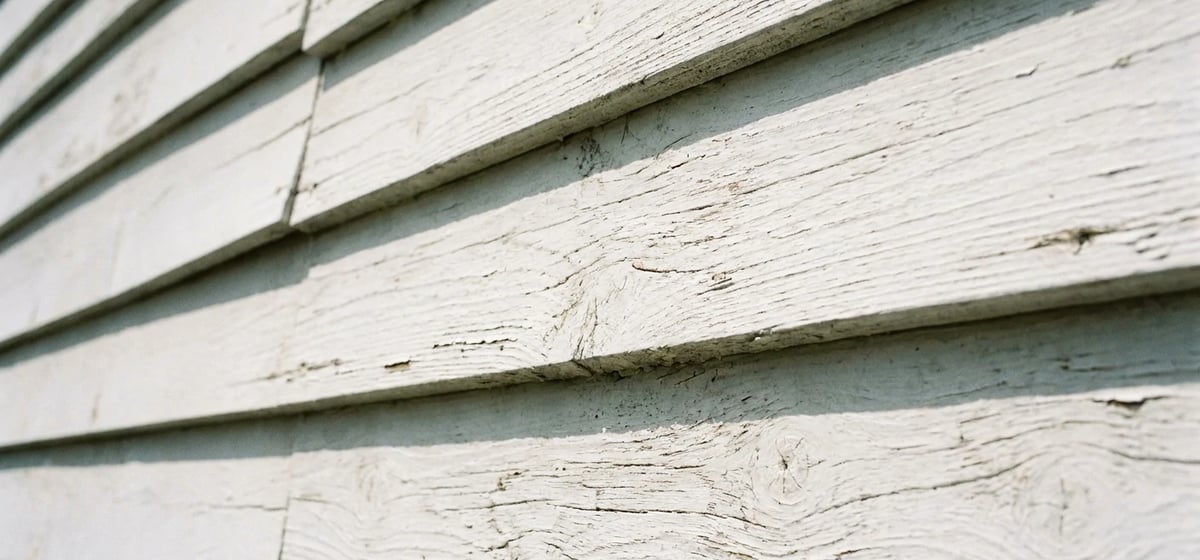
Clapboard is a classic type of wooden siding. It is made from long and narrow boards that overlap each other horizontally across the outside of your house. The bottom edge of each board is thicker than the top edge. This wedge shape allows the boards to sit flat against the wall while overlapping the board below. The overlap creates a tight seal that sheds rain and snow away from your home.
You will usually see this style on older colonial homes in the United States. The name actually comes from an old Dutch word called klappen. That word means to split. Early builders would split large logs into very thin boards to cover the outside of houses. Today, modern mills cut these boards by machine, but the traditional overlapping style remains the same.
Why it matters to your home
Your siding is the first line of defense against the weather. Clapboard does a great job of protecting your house from wind and water. When installed correctly, the overlapping boards direct water straight down to the ground. This keeps moisture out of your walls.
Beyond protection, clapboard adds a lot of charm and value to your property. Many homeowners love the natural wood look. It gives a house a classic and historic feel that vinyl or fiber cement just cannot match perfectly. If you are learning about Exterior: Siding, Garage & Decks, you will find that wood siding requires more attention than modern plastics. However, it can last for over a century if you take good care of it.
What to watch out for
Wood siding needs regular checkups. Because it is a natural material, it reacts to water and sunlight. You need to walk around your house every year and look for signs of trouble.
- Peeling paint: Paint protects the wood from water. If the paint cracks or peels, water can soak into the boards.
- Wood rot: Soft or crumbly boards mean water got inside. You will usually find rot near the bottom of the walls or around windows.
- Warping: Boards can bend or cup over time. This breaks the tight seal and lets wind and rain behind the siding.
- Pest damage: Termites and woodpeckers love natural wood. Look for small holes or sawdust piles near the foundation.
Costs and repairs
Taking care of clapboard is an ongoing job. You will need to scrape and repaint the house every 5 to 7 years. A professional exterior paint job usually costs 3000 to 6000 dollars. Prices depend on the size of your house and where you live.
If you find rotten or broken boards, you need to replace them quickly. A carpenter can cut out the bad section and weave a new board into the wall. This keeps the repair completely hidden. Paying a pro to replace a few damaged boards usually costs 200 to 500 dollars. If you want to replace all the siding on your home with new cedar clapboard, expect to pay 10000 to 20000 dollars. Remember that ranges vary based on local labor rates and the cost of lumber. You can look at What Home Repairs Cost to get a better idea of how these projects fit into your budget.