What Is a Hybrid Inverter?
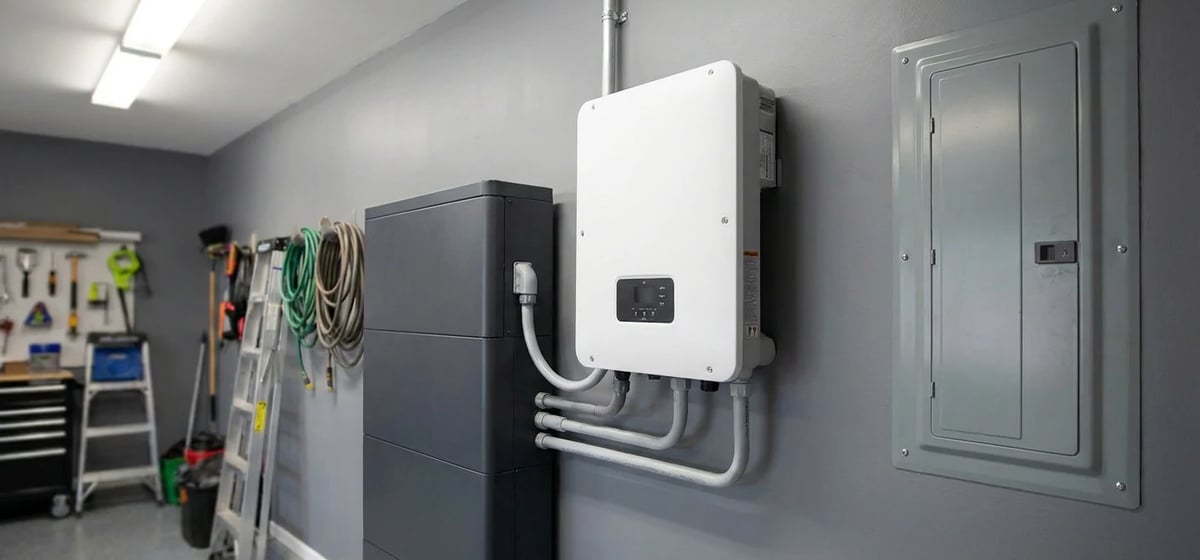
A hybrid inverter acts as the brain of your home energy system. It connects your solar panels, your home battery storage, and the local power grid. When the sun shines, your panels create direct current electricity. Your home appliances run on alternating current. The hybrid inverter changes that direct current into alternating current so you can turn on your lights and run your refrigerator.
Older solar setups used a standard inverter that only sent power one way. If you wanted a battery, you had to buy a second device to manage it. A hybrid unit does both jobs at once. It decides in real time where your power should go. It can send power into your house, store it in your battery for later, or push extra energy back to the grid.
Why It Matters to You
If you want to keep your lights on during a blackout, you need a battery. A hybrid inverter makes adding that battery much easier. It automatically switches your home over to battery power when the grid goes down. This switch happens so fast you might not even notice the power went out.
This device also helps you save money on your electric bills. You can program it to use battery power during the late afternoon and evening. Utility companies usually charge the highest rates during these peak hours. By pulling from your battery instead of the grid, you dodge those expensive charges. When rates drop late at night, the inverter can pull cheap power from the grid to top off your battery.
Pro Tip: Always place your inverter in a cool, shaded spot. Heat makes the internal parts work harder and shortens the lifespan of the device. A garage or a shaded exterior wall works best.
What It Costs and Finding Savings
Buying a hybrid inverter usually costs between $1,500 and $3,000 for the unit itself. Prices vary based on the brand and how much power the unit can handle. You will also pay for labor when you hire a pro to install it. Total installation costs often range from $1,000 to $2,500 depending on the complexity of your electrical setup.
You used to get a tax break for buying these systems, but the federal home energy tax credits ended on December 31, 2025, under the One Big Beautiful Bill Act. You cannot claim these federal credits for any work done in 2026 or later. However, you can still find ways to save money. Check with your local utility company and your state energy office. Many states still offer generous cash rebates for installing smart energy equipment.
What to Watch For
When you start shopping for a solar system, pay attention to the inverter size. The size is measured in kilowatts. If your inverter is too small, it will limit how much power your panels can send to your house. If it is too large, you are just wasting money on capacity you will never use. Your solar contractor should calculate the exact size you need based on your daily energy use.
You also need to think about future upgrades. If you plan to buy an electric vehicle or install a hot tub later, your energy needs will jump. Tell your installer about these plans now. They can recommend a hybrid inverter that leaves room to grow. You should also make sure the brand you choose has a strong warranty. Most quality units come with a warranty that lasts 10 to 12 years. If the company goes out of business, that warranty becomes useless, so stick to established brands.
Finally, remember that hybrid inverters make a quiet humming noise when they operate. You do not want this device installed on a bedroom wall. Work with your installer to find a spot that keeps the noise away from your living spaces.