What an Inverter Does
If you have a solar energy system on your roof, you have an inverter. It's a metal box that acts as the brain of your setup. The sun hits your panels and creates direct current electricity. Your home and the main power grid cannot use direct current. They rely on alternating current. The inverter takes that raw direct current and flips it into usable alternating current. Without this device, the power your roof collects is completely useless to your lights, fridge, and television.
The word itself comes from the Latin word invertere. That means to turn upside down or reverse. Electrical engineers in the 1920s started using the term because the device literally flips the electrical current back and forth to create power your house can use. It's a vital part of your Solar Panels and overall energy system.
Your inverter also acts as the gatekeeper between your house and your local utility company. When your panels make more power than your house needs, the extra electricity flows backward through your meter and into the public grid. The device carefully matches the voltage and frequency of the grid before sending that power out. This process earns you energy credits on your utility bill. At night, when the sun goes down, the equipment shuts off and your house pulls normal power from the grid.
Types of Inverters
Not all solar setups use the same equipment. Contractors usually install one of three main systems on a house. The type you have changes where the equipment lives and how your system handles shade.
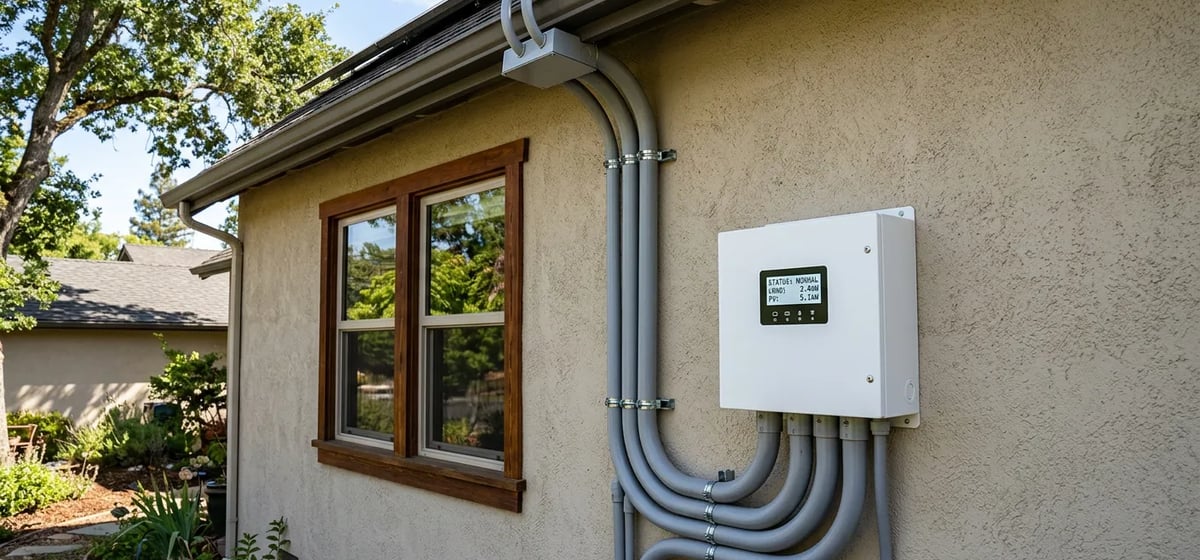
- String inverters: This is a single large box mounted on the side of your house or inside your garage. All your roof panels wire down into this one central unit. They're the cheapest option but have a big downside. If one panel gets shaded by a tree, the whole system drops its power output.
- Microinverters: These are tiny boxes attached directly to the back of every single panel on your roof. They convert the power right there. If a cloud covers one panel, the rest of the panels keep working at full speed. They cost more upfront but perform better in shady areas.
- Power optimizers: This is a middle ground. You still have one large central box on your wall. However, each panel also gets a small optimizer device attached to it. The optimizers condition the power before sending it down to the central unit. This fixes the shade problem without the high cost of full microinverters.
Replacement Costs and Lifespan
Solar panels usually last 25 to 30 years. Inverters don't last that long. They work incredibly hard every day and handle a lot of heat. You'll almost certainly need to replace this equipment at least once during the life of your solar system.
A central string inverter typically lasts 10 to 15 years. Microinverters usually last longer and can survive 20 to 25 years on your roof. When it's time for a replacement, costs depend heavily on your setup. A new central unit usually costs 1,000 to 2,500 dollars to replace. If you need to replace a full set of microinverters, the price jumps to 2,000 to 3,500 dollars. Keep in mind that prices vary widely based on your location, labor rates, and the size of your system. You might also need to upgrade some of your Electrical panels to handle modern equipment.
Warning Signs and Maintenance
You rarely need to touch or clean this equipment. It sits quietly and does its job. However, you should check on the central box once a month. Most modern units have a small digital screen or a set of colored lights on the front.
If you see an error code on the screen, write it down. You can check your owner manual to see what the code means. Sometimes the system just needs a simple reset. Other times, the code tells you exactly which part has failed. Don't try to open the metal casing yourself. The power inside is deadly. Always call a licensed solar technician to open the box and fix the internal parts.
Keep the area around a wall-mounted unit totally clear. The box generates a lot of heat while it works. It needs empty space on all sides so air can flow around the metal cooling fins. Never stack boxes, store firewood, or lean yard tools against it. If the unit gets too hot, it will automatically lower its power output to protect itself from melting.