What Hydro Jetting Is
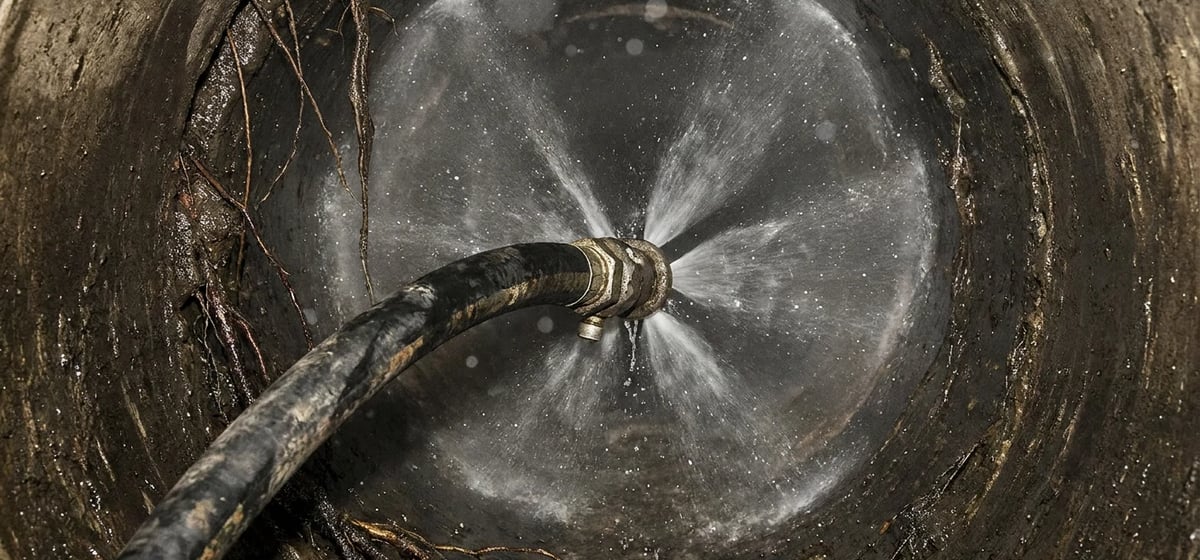
Hydro jetting is a powerful plumbing service that uses high pressure water to clear severe blockages from your main sewer line. Think of it like a pressure washer for the inside of your pipes. A plumber inserts a special hose with a heavy duty nozzle into your drain. This nozzle blasts water in multiple directions at very high pressures. The force breaks up solid clogs, cuts through tree roots, and washes away years of buildup.
Most homeowners know about drain snakes. A snake uses a metal cable with a blade on the end to poke a hole through a clog. This gets the water flowing again. However, snaking leaves behind a lot of grease and sludge on the pipe walls. Hydro jetting cleans the entire inside of the pipe. It scours the walls clean and flushes all the debris out to the city sewer. This keeps your Plumbing system running smoothly for much longer.
When You Need It
You usually run into this service when you have a major backup in your home. You might need hydro jetting if you notice these warning signs:
- Water coming up through your basement floor drain when you flush a toilet.
- Multiple slow drains happening at the same time across your house.
- Gurgling sounds coming from your pipes or toilets.
- Foul sewage smells lingering around your drains or yard.
Kitchen sinks often get choked with grease over time. Tree roots are another common problem. Roots grow into tiny cracks in your underground pipes looking for water. Once inside, they act like a net and catch toilet paper until the pipe completely stops up. Hydro jetting cuts those roots away cleanly.
What to Watch For
Before a plumber uses a hydro jet, they should always do a camera inspection. They push a small video camera down the pipe to see exactly what is causing the blockage. This step is crucial because the water pressure is incredibly strong. If you have very old clay or cast iron pipes that are already crumbling, hydro jetting could destroy them. The camera tells the plumber if your pipes are strong enough to handle the pressure.
What It Costs
When you hire a pro to do this job, expect to pay a few hundred dollars. A standard hydro jetting service costs $300 to $600 for a typical residential sewer line. If your clog is very deep, or if the plumber has to spend hours cutting through thick tree roots, the price can climb. Complex jobs can run $800 to $1,000. Prices always vary based on where you live and how hard it is to access your sewer cleanout. You can read more about typical pricing in our guide to What Home Repairs Cost.
While it costs more than a simple snaking job, the results last much longer. Snaking might fix a root problem for six months. Hydro jetting can keep those same roots away for a few years. It is a smart investment if you find yourself calling a plumber for the same clogged drain over and over again.
Preventative Maintenance
Some homeowners use hydro jetting to prevent emergencies before they happen. If you live in an older home with large mature trees in the front yard, you are at a high risk for root intrusions. Instead of waiting for raw sewage to back up into a bathtub, you can schedule a proactive cleaning every few years. Commercial buildings and restaurants do this all the time to manage grease buildup. While most homes do not need preventative jetting, it can bring peace of mind if you have a known issue with your sewer line.
You might also see this service recommended when you are in the process of Buying a Home. During the inspection period, a sewer scope might reveal heavy scale buildup or roots in the main line. You can ask the seller to pay for hydro jetting to clear the line before you close on the house. This ensures you start fresh without inheriting a hidden plumbing disaster.