What makes these shingles different
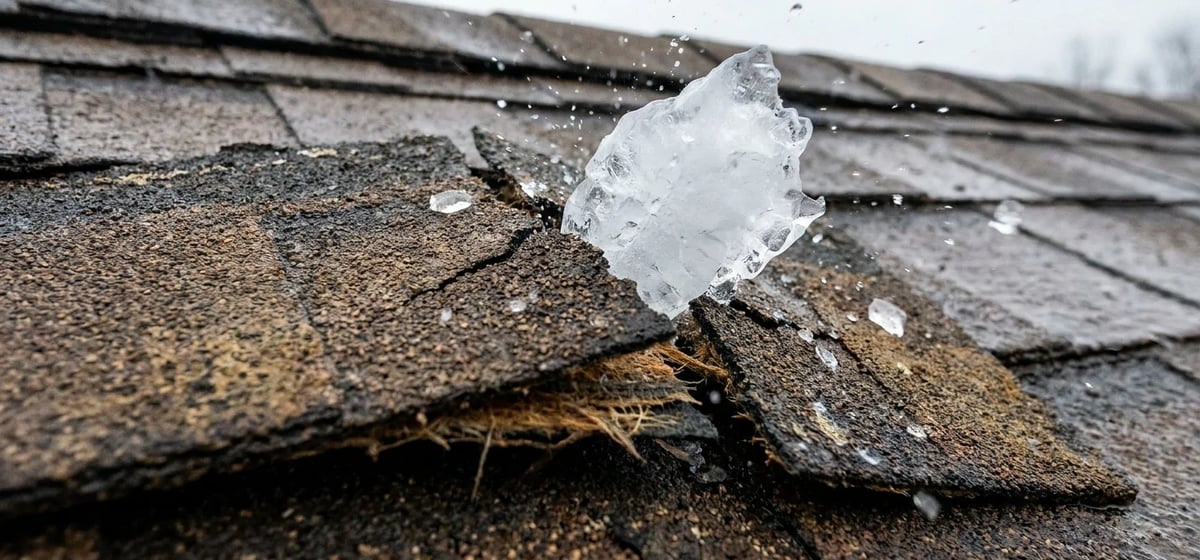
Standard asphalt shingles do a great job keeping rain out of your house. But they have a weakness. Over time, the sun dries out the asphalt. The material gets stiff and brittle. When a bad storm rolls through and drops large hail, those brittle shingles crack. Sometimes they dent so badly that the fiberglass mat inside breaks. Once that happens, water can leak into your attic.
Impact-resistant shingles solve this problem. Manufacturers blend a flexible polymer chemical into the asphalt mixture. Think of it like adding rubber to the recipe. This extra ingredient keeps the shingle soft and flexible, even after years in the hot sun. When a piece of hail or a flying tree branch strikes the roof, the shingle bends and bounces back. It absorbs the sudden force instead of snapping. If you are learning about Roofing, this is one of the most durable upgrades you can choose.
How they are tested and rated
In the late 1990s, roofing makers and insurance groups teamed up to measure roof strength. They created a standardized steel ball drop test. Testers drop heavy steel balls directly onto the shingles from high up to simulate large hail.
Based on this test, they group the shingles into four categories:
- Class 1: Survives a 1.25-inch steel ball.
- Class 2: Survives a 1.5-inch steel ball.
- Class 3: Survives a 1.75-inch steel ball.
- Class 4: Survives a 2-inch steel ball dropped from 20 feet.
Class 4 is the highest rating available. The shingle must survive the impact without tearing, cracking, or showing any stress on the back side. If you live in a state known for severe weather, contractors will almost always recommend a Class 4 product.
What they cost to install
Because they use advanced chemicals, these tough materials cost more upfront. You can expect to pay 10 to 25 percent more for the materials compared to standard architectural shingles.
For an average home, a standard roof replacement might cost 8,000 to 14,000 dollars. If you upgrade to an impact-resistant roof, that total price will likely jump to 10,000 to 18,000 dollars. Keep in mind that these ranges vary based on your local labor rates, the slope of your roof, and the exact brand you pick. The good news is that the installation process is exactly the same. Your roofing crew does not need special tools or extra time to nail them down.
Why they matter for your wallet
The biggest financial perk is the potential discount on your Home Insurance. Insurance providers lose millions of dollars replacing roofs after major hail storms. They want you to install these upgraded shingles because it greatly reduces their risk.
Depending on where you live, your insurance company might offer a premium discount of 10 to 30 percent. Over a span of five to ten years, those annual savings can easily pay for the extra cost of the upgraded shingles.
Beyond the direct savings, you get serious peace of mind. When the weather turns ugly, you will not have to worry about water destroying your drywall. You also avoid the massive headache of fighting for a spot on a roofer's schedule when every other house in your neighborhood has a damaged roof.