What It Means to Be Hardwired
Electricians coined this term in the mid 1900s to describe a specific type of connection. They needed a simple way to contrast permanent house wiring with flexible cords that plug in. The word literally means wired hard or fixed in place. Today, it describes any device connected directly to your home Electrical system. You do not plug these items into a normal wall outlet. Instead, the bare wires from the device join directly to the bare wires inside your walls or ceiling. A plastic or metal junction box protects this connection. Because the device does not have a standard plug, you cannot easily move it to another room. It stays right where the builder or electrician installed it.
How to Tell if Something is Hardwired
Sometimes it is very easy to spot a hardwired device. If you look at your ceiling fan, you will not see a power cord running down the wall to an outlet. The fan wires directly into the ceiling box. Other times, it takes a little more detective work. For example, a garbage disposal under your kitchen sink might plug into a hidden outlet. Or, it might have a metal cable that runs straight into a switch box on the wall. If you trace the power cable and it ends in a solid wall box with no visible plug, the device is hardwired. You will also notice that these devices often have their own dedicated switches on the wall or their own dedicated breakers in your main electrical panel.
Where You See Hardwired Devices
You will find these permanent connections all over your house. Builders use this setup for items that stay in one spot for years. Many major Appliances use direct wiring.
- Dishwashers often connect directly to a dedicated wire under the kitchen sink.
- Electric ovens and stovetops usually wire right into a heavy duty wall box.
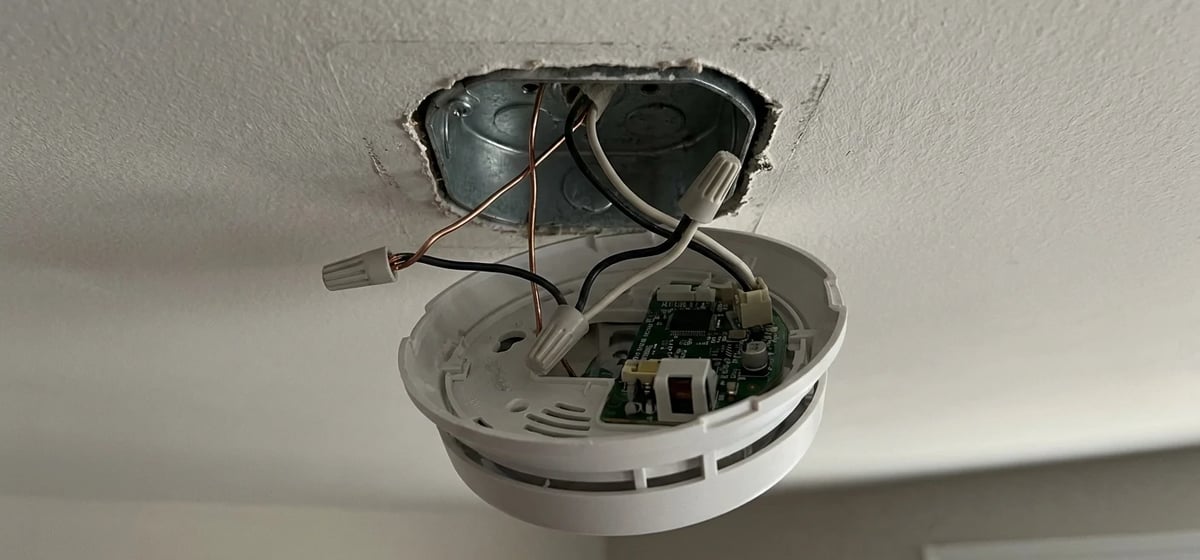
- Smoke detectors in modern homes wire together so they all sound an alarm at once if there is a fire.
- Bathroom exhaust fans and overhead light fixtures wire directly to your wall switches.
- Electric water heaters wire straight to the breaker panel because they draw a massive amount of power.
Why Direct Wiring Matters
Why do builders wire things directly instead of just installing more outlets? The main reason is safety. A hardwired connection will not accidentally come unplugged. This is incredibly important for life saving devices like smoke detectors. You want them to have constant power at all times. Direct wiring is also safer for appliances that draw a lot of electricity. Normal wall plugs can get loose over time as you bump them or pull them out. A loose plug can create dangerous sparks and start a fire behind your walls. Direct wiring creates a tight, permanent bond inside a safe metal or plastic box. It also keeps your living spaces looking clean. You do not have thick power cords hanging down from your ceiling or snaking behind your stove.
Costs and Hiring a Pro
Changing a hardwired device is not as simple as unplugging a cord. You have to turn off the power at the main breaker panel. Then you have to test the wires to make sure they are dead. After that, you disconnect the old wires and twist the new ones together with wire nuts. Many homeowners choose to hire a licensed electrician for this job.
If you hire a pro to replace a hardwired smoke detector, expect to pay 100 to 250 dollars. Installing a new hardwired dishwasher usually costs 150 to 300 dollars for the labor. Running brand new wire for a ceiling fan where none existed before can cost 300 to 800 dollars. Keep in mind that these ranges vary based on your location and the complexity of the job. If you are not sure about doing electrical work yourself, read our guide on DIY vs. Hiring a Pro to help you decide the best path forward.