What Is a Pop Up Drain?
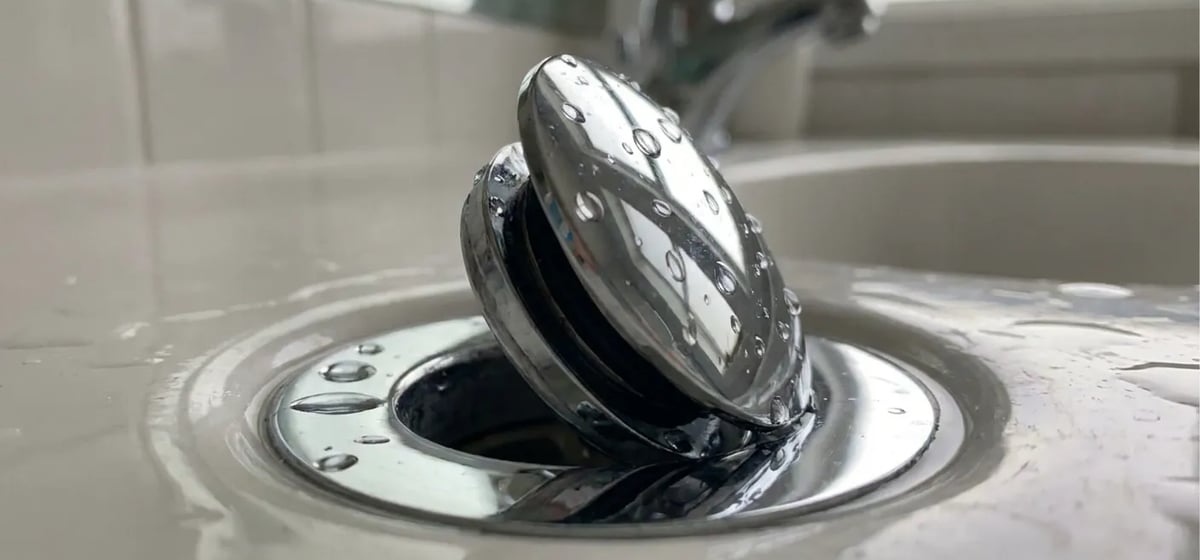
You will find a pop up drain in almost every modern bathroom sink. It is the stopper assembly that sits right in the bottom of the basin. You use it to seal the bowl when you want to fill the sink with water. When you are done, you open it to let the water drain away. It replaces the old fashioned rubber plug on a metal chain. It also acts as a primary filter. The stopper catches hair and prevents small items like jewelry from falling deep into your pipes.
There are two main styles you will see in homes today. The traditional style uses a lift rod located just behind your sink faucet. You pull the rod up to close the drain and push it down to open it. The newer style is a push button or clicker drain. With this type, you simply press down directly on the stopper cap to seal the sink. You press it again to pop it back up.
How It Works
The traditional lift rod style has a few hidden parts under your sink. The rod connects to a metal strap with several holes in it. A horizontal pivot rod slides through one of these holes and goes right into the side of the drain pipe. Inside the pipe, the end of the pivot rod catches the bottom of the stopper. When you pull the lift rod up, it pushes the pivot rod down. This action pulls the stopper tight against the drain hole.
If you look under your bathroom sink, you can easily see this mechanism. It is a very simple design, but it has multiple moving parts. These parts can get loose or rust over time. The push button style is much simpler. It has a spring loaded mechanism built right into the stopper itself. There are no rods or straps under the sink. This makes the plumbing look much cleaner.
Common Issues to Watch For
Because we use our bathroom sinks every day, pop up drains take a lot of abuse. You will likely run into a few common problems while living in your home.
- Clogs and slow draining: Hair wraps around the base of the stopper. This traps soap and toothpaste. Water will take a long time to go down.
- Stopper will not stay up: The metal strap under the sink might be loose. You can usually fix this by tightening the small screw that holds the lift rod to the strap.
- Sink will not hold water: The rubber seal around the stopper might be old and cracked. The pivot rod could also be in the wrong hole on the strap. This prevents the stopper from pulling down tight.
- Leaks under the sink: The nut holding the pivot rod to the drain pipe can crack or loosen. This causes water to drip into your vanity cabinet.
Checking your drains and cleaning them out is a standard part of maintaining your Plumbing system.
Replacement Costs and DIY
Eventually, the metal finish on your drain will wear off or the parts will rust out completely. Replacing a pop up drain is a very common homeowner task. You can buy a new drain assembly at any hardware store. A basic replacement kit costs 15 to 50 dollars. High end finishes like brushed gold or oil rubbed bronze might cost 60 to 120 dollars.
Many homeowners choose to tackle this job themselves. It requires a bucket, some pliers, and plumber's putty. If you prefer to hire a professional, a plumber will typically charge 150 to 300 dollars for the labor and materials. Keep in mind that local prices and ranges vary. If you are unsure about doing it yourself, you can review our guide on DIY vs. Hiring a Pro to help you decide.