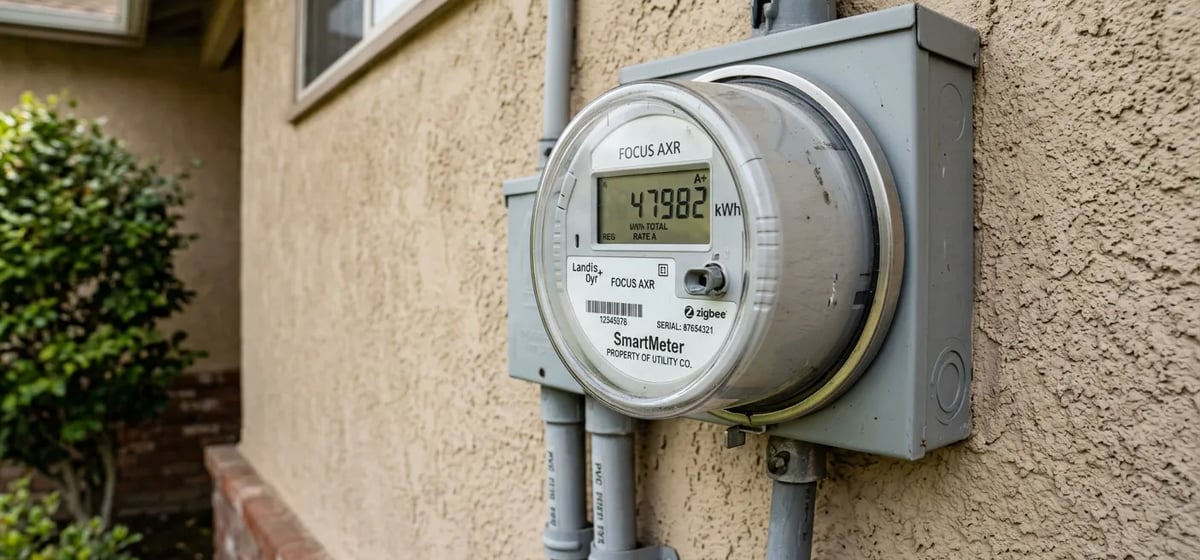
What is a kilowatt hour?
A kilowatt hour is the standard unit of energy your power company uses to measure how much electricity your home consumes. People often write it as kWh. To understand it, you have to look at watts. A watt is a measure of power. A kilowatt is exactly one thousand watts. The hour part simply means you are using that amount of power for one full hour. If you turn on a 1000 watt space heater and leave it running for exactly one hour, you've just used one kilowatt hour of energy.
The word itself has interesting roots. It combines the Greek word kilo, which means thousand, with watt. The watt gets its name from James Watt, a famous Scottish inventor. The energy industry standardized this billing measurement back in the late 19th century. Since then, it's been the main way you pay for your electrical usage.
Why this measurement matters to you
Your utility company charges you based on the total number of kilowatt hours you use each month. When you open your monthly electric bill, you'll see a line item showing your total usage. You'll also see your rate. The rate is the price you pay for every single kilowatt hour.
In the United States, the average cost for electricity is roughly 15 to 20 cents per kilowatt hour. Prices vary widely depending on where you live and the time of year. Some places charge as little as 10 cents, while others charge more than 30 cents. If your home uses 1000 kilowatt hours in a month at a rate of 15 cents, your energy charge will be 150 dollars. You'll also see extra fees for delivery and taxes on top of that base energy charge. These delivery fees cover the cost of maintaining the power lines and poles that bring the electricity to your house. Understanding this breakdown helps you see exactly where your money goes every month.
Where your power goes
Different items in your home use energy at very different rates. Something that produces heat or cooling will always use more electricity than something that just lights up. Your air conditioner might use 3000 watts while running. That means it burns through 3 kilowatt hours every single hour it stays on. A modern LED light bulb might only use 10 watts. You'd have to leave that light bulb on for 100 hours to use a single kilowatt hour. This is why replacing old incandescent bulbs with LED bulbs is such a popular way to save money. The old bulbs waste a lot of energy as heat.
Here is a look at how much energy common appliances use:
| Appliance | Estimated Usage |
|---|---|
| Central Air Conditioner | 3 to 5 kWh per hour |
| Electric Water Heater | 400 to 600 kWh per month |
| Refrigerator | 30 to 100 kWh per month |
| Oven and Stove | 1 to 2 kWh per hour of cooking |
How to lower your monthly usage
You can take control of your energy bill once you know how to track your usage. Start by looking at your power meter outside. Older meters have spinning dials, while newer smart meters have digital screens that show your exact usage right now. Your monthly bill also has a chart showing your usage over the last year. This chart helps you spot unusual spikes so you don't get surprised.
You can lower your total usage by making simple changes around the house. Here are a few easy ways to cut back:
- Turn off lights when you leave a room.
- Unplug electronics that you rarely use.
- Wash your clothes in cold water instead of hot.
- Upgrade your old appliances to newer energy efficient models.
If your bills are still too high, you might want to look into solar panels. Solar systems generate their own power, which directly offsets the kilowatt hours you have to buy from the utility company. Many power companies even let you sell your extra power back to them during the day.