What Lauan Is
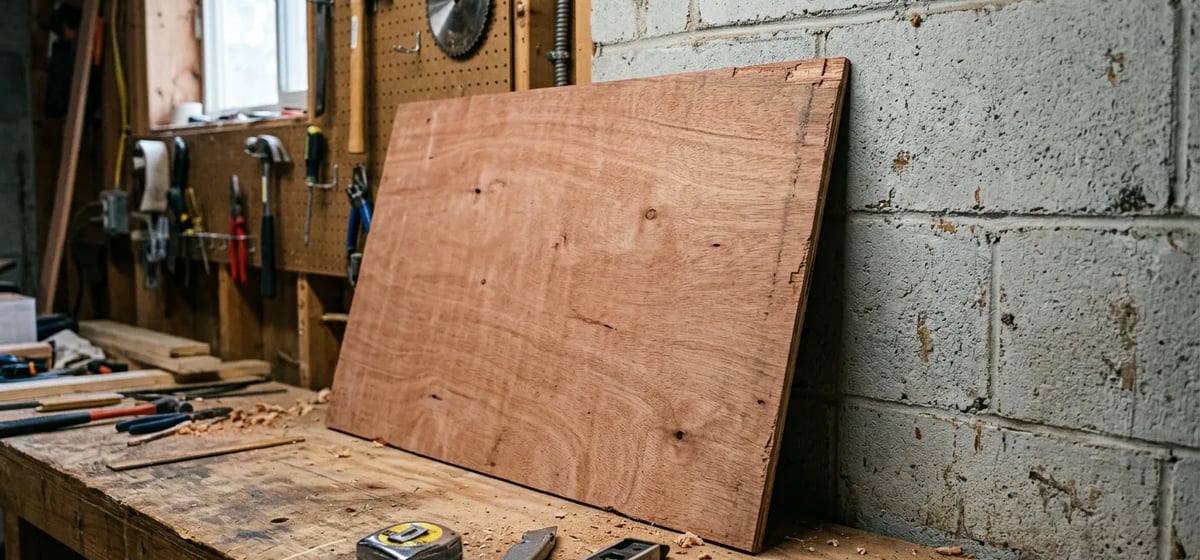
Lauan is a very thin and flexible type of plywood made from tropical trees. The name comes from the Tagalog language in the Philippines. It refers to a specific group of trees found in that region. Builders in the United States started using it heavily in the middle of the twentieth century. They needed a cheap wood product for mass housing, and lauan fit the bill perfectly.
You'll usually see it sold in large sheets that measure four feet wide by eight feet long. The sheets are mostly one quarter inch thick. Lauan has a slightly pink or reddish tint. The surface is very smooth to the touch. Because it is so thin, it bends easily without snapping. This flexibility makes it a very handy material for many small home projects.
Where You Will Find It
You probably have lauan in your house right now even if you don't see it directly. Builders love to use it as an underlayment for floors. Underlayment is a thin, smooth layer of wood that goes directly over your rough subfloor. It creates a perfect surface for thin materials like sheet vinyl, luxury vinyl planks, or peel and stick tiles. If you put vinyl right over a rough floor, every single bump and screw hole will eventually show through the surface. Lauan stops that from happening. You can learn more about different floor layers in our guide to Flooring.
You'll also find lauan on the backs of inexpensive cabinets, bookcases, and entertainment centers. Manufacturers use it to close off the back of a cabinet without adding much weight or cost. It is also very common in hollow core doors. The front and back flat panels of cheap interior doors are often just thin sheets of lauan glued over a cardboard frame. You can read more about interior doors in our Interior: Paint, Drywall & Trim section.
Working With Lauan
Lauan is cheap and smooth, but it has some major downsides that you need to know about before you start a project. Here are the main things to watch out for:
- It splinters very easily. If you try to cut it with a standard wood saw blade, the edges will tear and look terrible.
- It doesn't handle water well. The wood will bubble up, warp, and peel apart if it gets wet.
- It creates extremely fine sawdust that can easily irritate your lungs and eyes.
To avoid splintering, you need to use a special saw blade with lots of tiny teeth to get a clean cut. You can also score the wood deeply with a sharp utility knife and snap it over a hard edge. Because it fails when wet, you should never use it outside. If you use it under a bathroom floor, you must be absolutely sure your top floor layer is sealed against leaks.
Costs and Alternatives
Lauan remains one of the cheapest wood products you can buy for your home. A standard four foot by eight foot sheet usually costs 15 to 25 dollars at a local hardware store. Keep in mind that prices vary depending on where you live and current lumber market costs.
In recent years, many builders have started moving away from traditional lauan. There are growing environmental concerns about cutting down tropical rainforests to make cheap plywood. Because of this, you might see alternatives at the hardware store. You'll often see products labeled as hardwood plywood or birch underlayment instead.
These alternative options cost a little bit more money. A sheet of birch underlayment might cost 25 to 35 dollars. However, they work exactly the same way as traditional lauan. They give you a smooth, flat surface for your new floors or cabinets. If you aren't comfortable cutting and installing large sheets of wood yourself, you might want to look at our guide on DIY vs. Hiring a Pro before you start a big flooring project.