What Is a Magnetron?
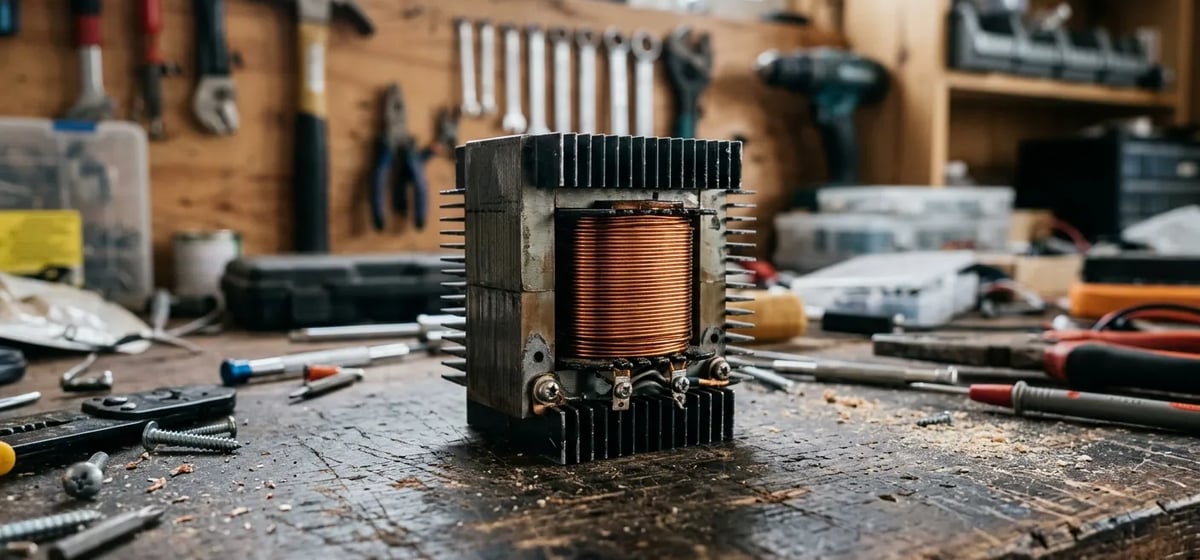
A magnetron is the hidden device inside your microwave oven that actually cooks your food. It takes electricity from your wall and turns it into microwave radiation. These waves bounce around the inside of the oven. They cause water molecules in your food to vibrate very fast. This fast vibration creates heat and cooks your meal.
The word was created in the 1920s by combining the words magnet and electron. Scientists originally built the magnetron for radar systems during World War II. After the war, companies realized this technology could heat food quickly. It soon found its way into kitchens across the country.
Why It Matters to You
The magnetron is the heart of your microwave. Without it, your microwave is just a box with a spinning glass plate and a light bulb. The rest of the oven exists mostly to power the magnetron and keep the waves safely inside.
Because it does all the heavy lifting, the magnetron is usually the part that wears out first. When you understand what it does, you can figure out why your microwave stopped working. You will also know if it is time to call a repair person or just buy a new appliance. You can learn more about managing your household devices in our guide to Appliances.
Signs of Trouble
A dying magnetron usually gives you a few clear warning signs. If you notice any of these issues, your microwave is likely failing.
- Food stays cold. The timer counts down and the plate spins, but your soup is completely cold. This is the most common sign of a dead magnetron.
- Loud buzzing or humming. A normal microwave makes a quiet hum. A failing magnetron often makes a loud, angry buzzing noise.
- Burning smells. If the internal parts overheat or burn out, you might smell burning plastic or metal.
- Sparking or snapping sounds. Sometimes a failing magnetron causes electrical arcing inside the case.
Repair Costs and Next Steps
If your magnetron dies, you have to decide between fixing the microwave or throwing it away. The cost of a new magnetron part usually runs from $50 to $150. If you hire a professional to install it, labor will add another $100 to $200. Keep in mind that these ranges vary based on your location and the brand of your oven.
For a basic countertop microwave that cost $100 new, paying for a repair makes no sense. You are better off buying a new unit. However, the math changes if you have a high-end built-in microwave or a combination microwave and range hood. These expensive units can cost $500 to $1,000 to replace. In those cases, spending $200 to swap out the magnetron is a smart move. If you are unsure about handling this type of repair, read our guide on DIY vs. Hiring a Pro to help you decide.
How to Protect Your Magnetron
You can extend the life of your magnetron with a few simple habits. The most important rule is to never run your microwave while it is empty. The magnetron pumps energy into the cooking chamber. If there is no food or water to absorb that energy, the microwaves bounce right back into the magnetron. This causes the device to overheat and burn out very quickly.
You should also avoid putting metal objects in the microwave. Metal reflects the microwaves back at the magnetron. This creates sparks and can permanently damage the internal parts. Finally, keep the inside of your microwave clean. Large splatters of food can turn into hard carbon over time. This carbon can block the cover that protects the magnetron, causing it to overheat and fail.