What It Is
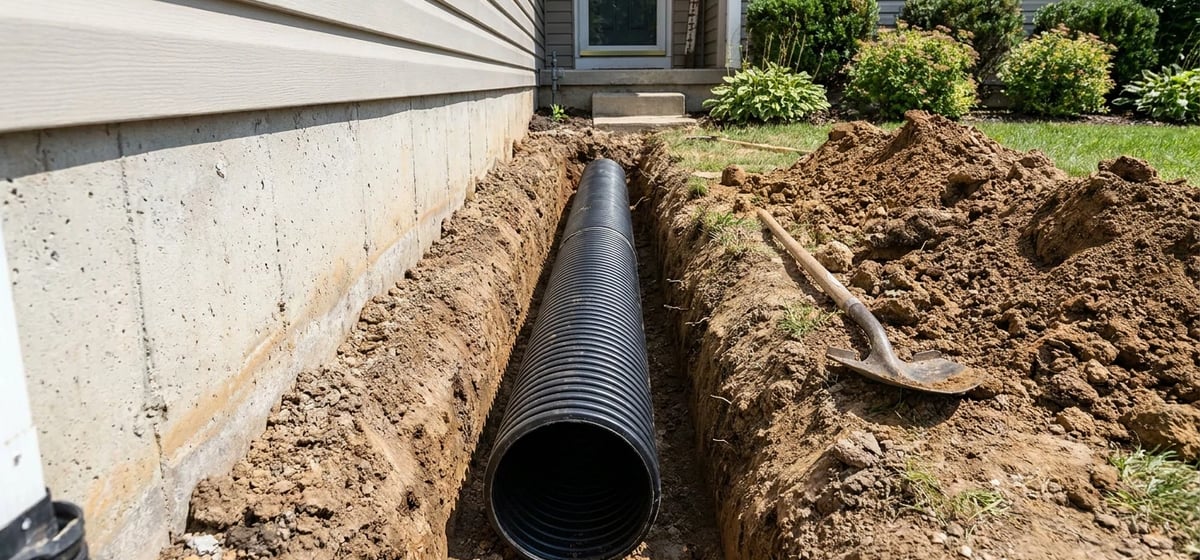
The main sewer line is the large underground pipe that carries all the wastewater from your house to the city sewer or your septic tank. Every drainpipe in your home connects to this single massive pipe. When you flush a toilet, run a sink, or empty a washing machine, that water travels through smaller pipes until it reaches the main line. From there, gravity pulls the dirty water out of your yard and away from your property. Older homes often have pipes made of clay or cast iron. Newer homes typically use thick plastic pipes called PVC.
Why It Matters To You
This pipe is the only exit route for wastewater in your house. If it gets blocked, all that dirty water has nowhere to go. It will eventually back up into your lowest drains. You might see raw sewage bubbling up in a basement shower or a ground floor bathtub. This creates a huge mess and a serious health hazard. Fixing a broken or severely clogged line is also expensive. You own the section of the pipe that runs from your house to the street. If tree roots crush it or the pipe collapses from old age, the city will not pay to fix it. You have to cover the bill.
Where You Run Into It
You usually never think about this pipe until something goes wrong. You might hear about it when you buy a house. A smart buyer will hire a plumber to run a camera down the pipe before closing. This camera inspection costs 150 to 300 dollars, but it can save you thousands later. You also run into this line when you plan major landscaping or build a new driveway. You never want to plant large trees or pour thick concrete directly over your main sewer line. If you need to dig up the pipe later, you will destroy your new yard or driveway in the process. You can learn more about how all your pipes connect by reading our guide to Plumbing.
What To Watch For
Sewer lines rarely break without warning. They usually give you a few clues first. Pay attention to how your drains behave. If one sink is slow, you probably just have hair in the trap. If every drain in the house is slow, your main line is likely choking.
- Gurgling sounds: Listen to your toilets. If they bubble or gurgle when your washing machine drains, air is trapped in the main line.
- Foul smells: You should never smell sewage in your yard or your basement. If you do, check our guide on Smells & Odors to trace the source.
- Soggy yard spots: A broken underground pipe leaks water and fertilizer into your soil. Look for patches of grass that are suddenly much greener and taller than the rest of the lawn.
What It Costs To Fix
Cleaning a main line with a mechanical snake usually costs 200 to 400 dollars. If a plumber needs to use a high pressure water jet to blast away tree roots, expect to pay 350 to 600 dollars. Replacing a broken main sewer line is a major project. Plumbers have to dig a deep trench in your yard. A full replacement usually costs 3000 to 7000 dollars, but long or very deep lines can cost over 10000 dollars. Prices always vary based on where you live and how hard it is to reach the pipe. You can check typical rates for other big jobs in our guide on What Home Repairs Cost.