What is mildewcide?
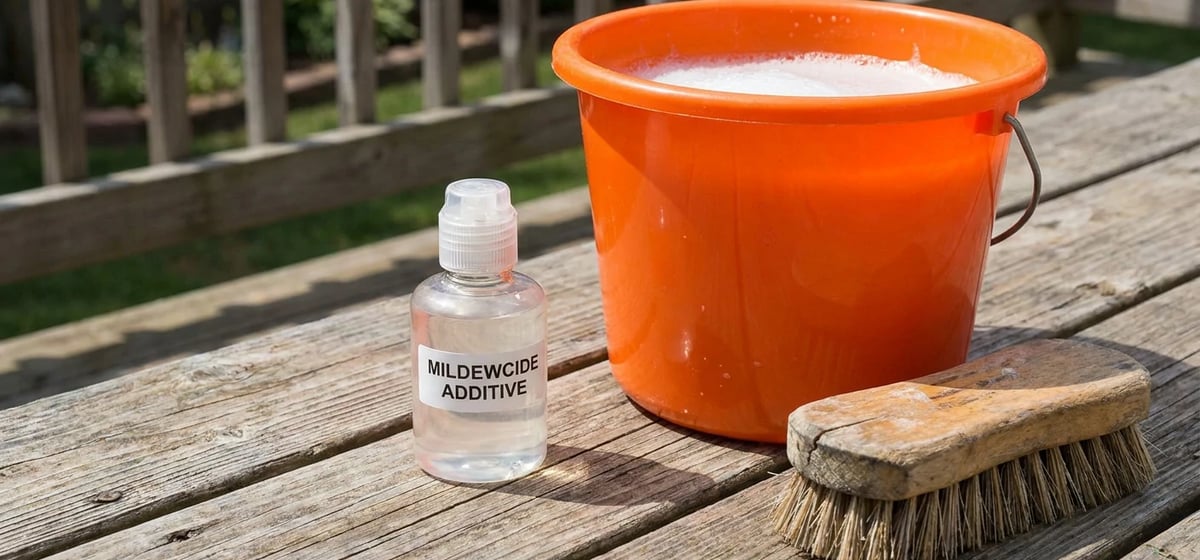
Mildewcide is a chemical additive designed to stop mold and mildew from growing. The word combines "mildew" with the Latin suffix "cide", which means to kill. You'll usually find it sold as a small packet or a little plastic bottle of liquid at your local hardware store. You pour it directly into paint, wood stain, or even wallpaper paste before you apply them. It works by poisoning the microscopic food sources that mold spores need to survive. This keeps your walls, decks, and siding looking clean for years after you finish your project.
Most modern exterior paints already have a small amount of mildewcide mixed in at the factory. However, if you live in a very damp climate or have a house surrounded by heavy shade trees, that standard factory mix might not be enough. Adding an extra dose gives your paint job a much stronger defense against green algae and black fuzzy growth. It essentially turns your fresh coat of paint into a shield against moisture damage.
Where you'll use it
You'll run into this handy additive whenever you tackle home improvement projects in wet or humid areas around your property. It's incredibly popular for outdoor painting and staining. If you're updating the outside of your house, you can easily mix a packet into your buckets of exterior paint. You can read more about caring for your Exterior: Siding, Garage & Decks to see exactly how daily moisture affects your home over time.
Mildewcide isn't just for the outside of your house. You can also use it indoors to protect high-moisture rooms. Bathrooms, laundry rooms, and basements are prime spots for mold. When you repaint a bathroom ceiling, adding mildewcide to your interior paint helps stop those ugly black spots from forming right above your hot shower. If you're doing a big interior remodel, check our guide on Interior: Paint, Drywall & Trim for more tips on picking the right materials for damp spaces.
- Exterior wood, vinyl, or aluminum siding
- Outdoor wooden decks, porches, and fences
- Bathroom walls and ceilings above showers
- Basement walls that are prone to dampness
What it costs
Buying a mildewcide additive is a very cheap way to protect your home from future damage. A standard 1.5-ounce packet treats one single gallon of paint and costs about 5 to 10 dollars. If you're buying a larger 10-ounce bottle to treat a big five-gallon bucket of paint, you'll generally pay between 15 and 25 dollars. Keep in mind that prices and ranges vary depending on the chemical brand and your local hardware store.
If you hire a professional painter, they might charge a small fee to add extra mildewcide to their paint supply. This usually adds 50 to 100 dollars to the total cost of an entire exterior paint job. It's a tiny fraction of the total project cost, but it saves you hours of heavy scrubbing with bleach or a pressure washer later on. It also extends the life of your paint, which saves you money in the long run.
Safety and tips
Mildewcide is a harsh chemical, so you must handle it with care. Always wear thick rubber gloves and safety glasses when you snip the packet open or pour it from the bottle. You don't want the concentrated liquid to splash onto your bare skin or into your eyes. It's also very important to mix it thoroughly. Use a wooden stir stick and stir your paint for at least two to 3 minutes so the chemical spreads evenly throughout the bucket.
Finally, remember that mildewcide is strictly a preventative step. It stops new mold from growing, but it doesn't make existing mold disappear. If your siding is already covered in green algae or black mold, you must wash it away completely with a strong cleaner before you paint. If you paint right over the old mold, the new paint will peel off in a few months. Sometimes, severe mold issues point to bigger moisture problems. If you suspect toxic mold growing deep inside your walls, you should review the facts on Environmental Hazards to keep your family safe.