What Is a Dielectric Union?
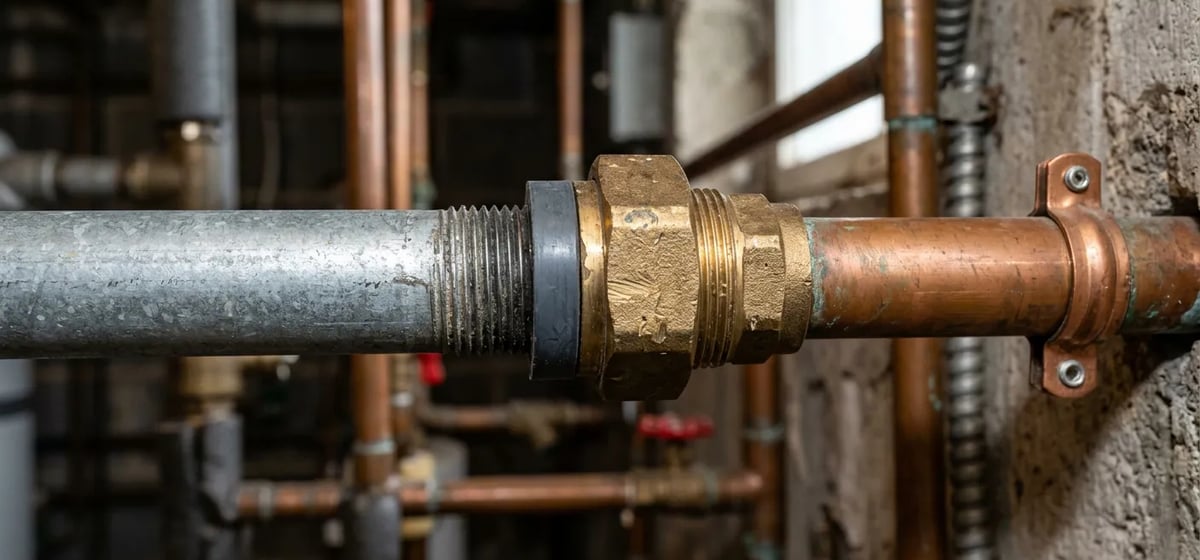
A dielectric union is a special plumbing fitting. Plumbers use it to connect two different types of metal pipes together. Most often, this involves joining a copper pipe to a galvanized steel pipe. The word dielectric comes from the Greek prefix dia, meaning across or through, and the word electric. It describes a material that blocks the flow of electricity between two conductive metals.
If you just screw a copper pipe directly into a steel pipe, you will create a chemical reaction. The two metals and the water inside them act just like a tiny battery. This creates a small electrical current. The current causes the steel pipe to rust and fall apart very quickly. A dielectric union stops this from happening. It has a tough plastic washer and a rubber sleeve inside. These parts separate the two metals so they never actually touch. Because the metals don't touch, the electrical current can't flow, and your pipes stay safe from rapid rust.
Why It Matters to You
Skipping this small part can lead to massive water damage. When different metals touch, the process is called galvanic corrosion. It eats away at the weaker metal from the inside out. You might not notice anything wrong for a few months. Then, out of nowhere, a pinhole leak sprays water all over your utility room or basement.
Building codes across the country require these fittings anytime two different metals meet in your Plumbing system. If a handyman or previous owner skipped this step, you have a ticking time bomb. The pipe will eventually rust completely shut or burst open. Fixing the resulting water damage costs much more than doing the job right the first time.
Where You Will Find Them
You won't see these fittings on every pipe in your house. They only show up in very specific spots where materials change. Here are the most common places to look.
- Water heaters: This is the number one spot. Most water heaters have steel threads on top. If your house has copper water lines, your plumber must use a dielectric union to connect the copper lines to the steel tank.
- Old home remodels: Houses built before the 1970s often have galvanized steel pipes. When you remodel a bathroom or fix a leak, plumbers usually install new copper pipes. They must use this special fitting right where the old steel meets the new copper.
- Water softeners and filters: Whole house water systems sometimes have steel connections. You need a union if you are piping water to them with copper.
What to Watch For and Replacement Costs
Dielectric unions do a great job, but they don't last forever. The plastic and rubber parts inside them can wear out or crack over time. When that happens, the metals might touch, or water might start to seep out.
You should inspect the pipes above your water heater once a year. Look for a crusty white, green, or rusty brown buildup right at the joint. This crust means the union is failing. You might also notice a tiny drip or a damp spot on top of the water heater tank. If you see these signs, it's time to call a professional.
The part itself is very cheap. A standard union costs 10 to 30 dollars at a hardware store. However, installing it requires draining the water lines, cutting pipes, and soldering copper. Unless you have a lot of experience, you should hire a licensed plumber. Plumbers usually charge 150 to 300 dollars to replace a failing union. Prices will vary based on your location and how hard it is to reach the pipes. You can read more about typical labor rates in our guide on Hiring Contractors & What Things Cost.