What Is An Air Gap
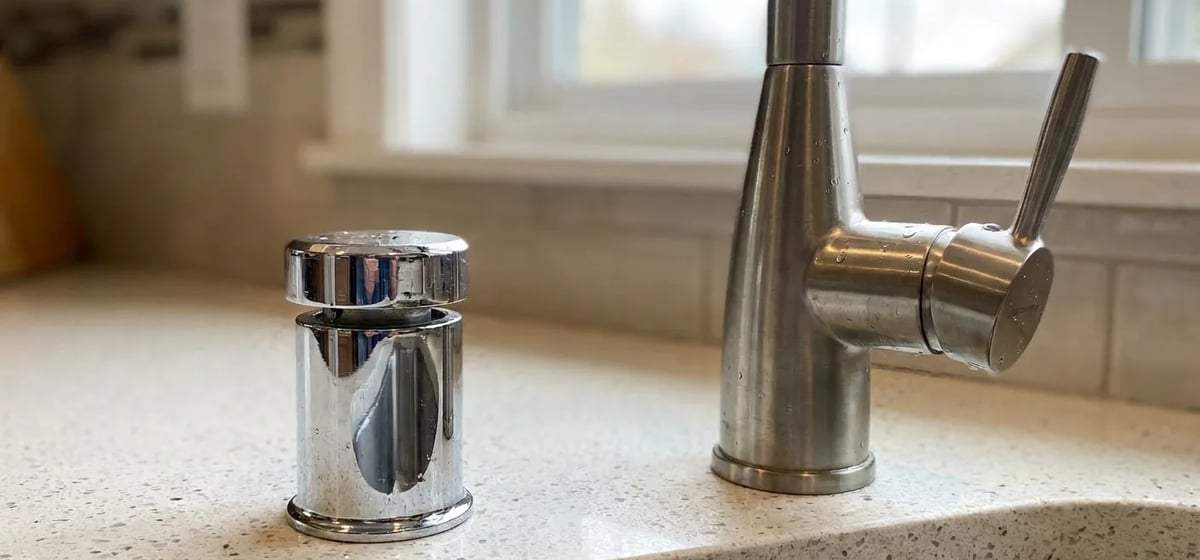
An air gap is a small metal or plastic cylinder sitting on your kitchen counter right next to the sink faucet. It looks like a little dome with holes in it. This simple device protects your health. It stops dirty sink water or garbage disposal gunk from backing up into your clean dishwasher.
The name means exactly what it says. Inside that little cylinder is an actual gap of empty air. Water can't flow backward across empty space. This physical break makes sure contaminated water never touches your clean dishes. Plumbers started using this design in the middle part of the twentieth century to stop mass sickness from dirty water.
How It Works In Your Kitchen
Your dishwasher pumps dirty water out through a hose. This hose connects to the air gap on your counter. A second hose runs from the air gap down to your sink drain or garbage disposal.
When your dishwasher drains, the dirty water shoots up into the air gap. It falls through the open air space and goes down the second hose into the drain. If your kitchen sink clogs, dirty water might back up. The air gap breaks the suction. It forces the backup out onto your counter instead of letting it siphon back into your expensive Appliances. A little water on the counter is annoying. Drinking from a glass washed in old drain water is much worse.
Signs Of Trouble
Air gaps are simple, but they can clog. Food bits from the dishwasher can get stuck in the small tube.
- Water spilling onto the counter: This is the most common sign. If water shoots out of the air gap holes when the dishwasher runs, the hose going to the drain is clogged.
- Bad smells: Old food trapped in the hoses can start to stink.
- Slow draining: Your dishwasher might leave standing water in the bottom if the path is blocked.
Rules And Costs
Some homeowners hate how the air gap looks. They want a clean, modern counter. You might hear people talk about a high loop as an alternative. A high loop routes the drain hose high up under the sink cabinet to stop backups.
However, local building codes often require a true air gap. Many states mandate them for all new kitchen Plumbing. Always check your local rules before you remove one.
If yours breaks or gets too ugly to clean, replacing it is cheap. A new air gap part costs 10 to 30 dollars at a hardware store. If you hire a plumber to install it or fix a bad clog, expect to pay 150 to 300 dollars for the service call. Keep in mind that prices vary based on where you live.
Air Gaps And Home Inspections
When you are Buying a Home, the inspector will check under the kitchen sink. They want to see how the dishwasher drains. If your local city requires an air gap and the house doesn't have one, the inspector will flag it in their report.
Sometimes flip investors or DIY remodelers remove the air gap to install a soap dispenser. They think it looks better. This is a common code violation. If you buy a house with a missing air gap, you might need to drill a new hole in your countertop to put one back. Drilling through granite or quartz is tough work. A pro will charge 200 to 400 dollars to drill the hole and hook up the new plumbing lines.
You can buy air gap covers in many finishes. They make them in brushed nickel, matte black, and shiny chrome. You can easily find one that matches your kitchen faucet perfectly. This makes the safety device blend in so you barely notice it.