What Is a Punch List?
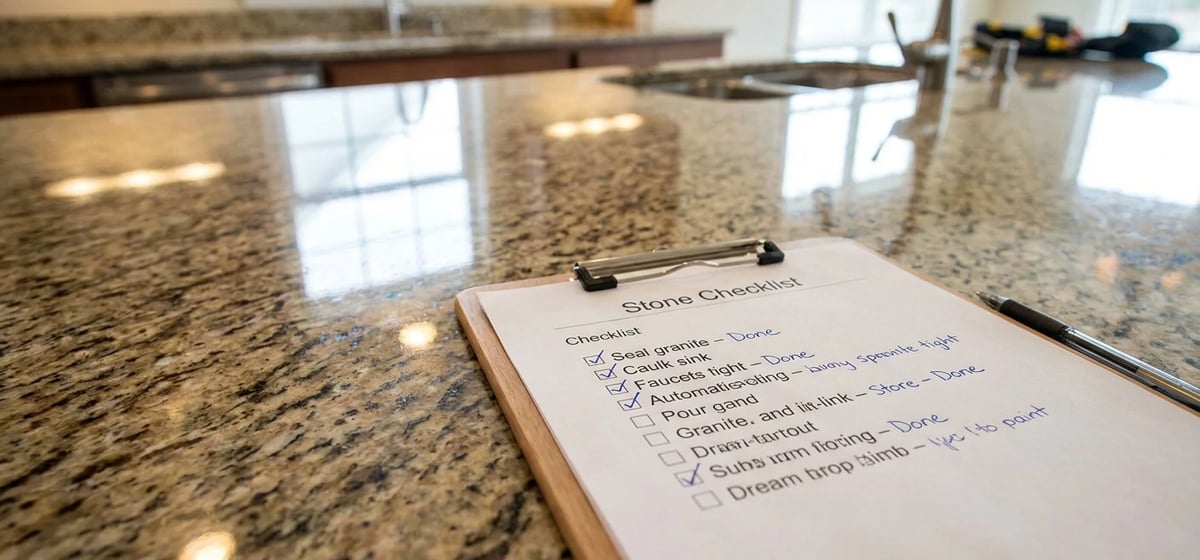
A punch list is a checklist you and your contractor create near the very end of a building or remodeling project. It lists all the minor repairs, missing parts, and mistakes the builder must fix before the job is officially done. The name comes from an old construction practice. A project manager would carry a paper list and literally punch a hole next to an item to mark it as finished. Today, you might use a piece of paper or a digital app on a tablet, but the goal is exactly the same. It is your final chance to make sure everything looks right and works perfectly before the crew leaves for good.
Why It Matters to You
This list is your absolute best tool for quality control. When you hire a professional for a big job, you usually hold back a final payment until the work is complete. This last payment is often 10 to 20 percent of the total project cost. You tie this final check directly to the punch list. Once the contractor finishes every single item on the list, you hand over the final payment. If you pay them before they finish the list, you lose your leverage. They might take weeks to come back and fix a missing cabinet knob or a scratched floor. By using a punch list, you protect your money and your home. For more advice on managing project payments, check out our guide on Hiring Contractors & What Things Cost.
When and How You Make One
You usually make this list during a final walkthrough. The contractor will tell you they are mostly finished with the job. You will then walk through the space together. Bring a notepad, a roll of blue painter tape, and a flashlight. Test everything in the room. Turn every light switch on and off. Open and close every cabinet door. Flush the toilets and run the faucets. Look closely at the paint and trim. If you spot a problem, put a piece of blue tape next to it and write it down on your list. Be picky but fair. You are looking for mistakes, not trying to change the original design. If you are building a brand new house, you will do this right before closing. You can learn more about the closing process in our Buying a Home guide.
What to Watch For
Common punch list items are usually small but annoying. You might find missing hardware, chipped paint, or a door that rubs against the frame. Sometimes, you will find bigger issues like a cracked tile or a leaky pipe under the sink.
Here are a few common items you might find and what they typically cost a contractor to fix if they have to send someone out later. Keep in mind that prices vary based on where you live.
- Fixing a drywall dent or bad paint spot: 100 to 300 dollars. (Read more about Interior: Paint, Drywall & Trim)
- Adjusting a heavy door that sticks: 75 to 150 dollars.
- Installing a missing light fixture cover: 50 to 100 dollars.
- Replacing a badly scratched cabinet door: 150 to 400 dollars.
Your contractor should cover these costs as part of the original contract. You do not pay extra for them to fix their own mistakes. Just make sure everything is in writing. Both you and the contractor should sign the final list so there is no confusion later.
Who Is Responsible for the List?
Both you and the contractor share responsibility for the punch list. The general contractor is responsible for actually doing the work and scheduling their subcontractors. For example, if the list includes a dripping faucet and a missing electrical outlet cover, the general contractor must call the plumber and the electrician to fix those specific items. Your job is to be clear and available. Do not add new items to the list a week after you both sign it. If you suddenly decide you want a different color of paint, that is a change order, not a punch list item. A change order will cost you extra money. Stick to the original plan and focus on getting what you already paid for. Once the contractor says the list is done, you need to verify the work quickly. Walk through the space one last time. If everything looks good, sign off on the project and pay the final invoice.