What is mortar?
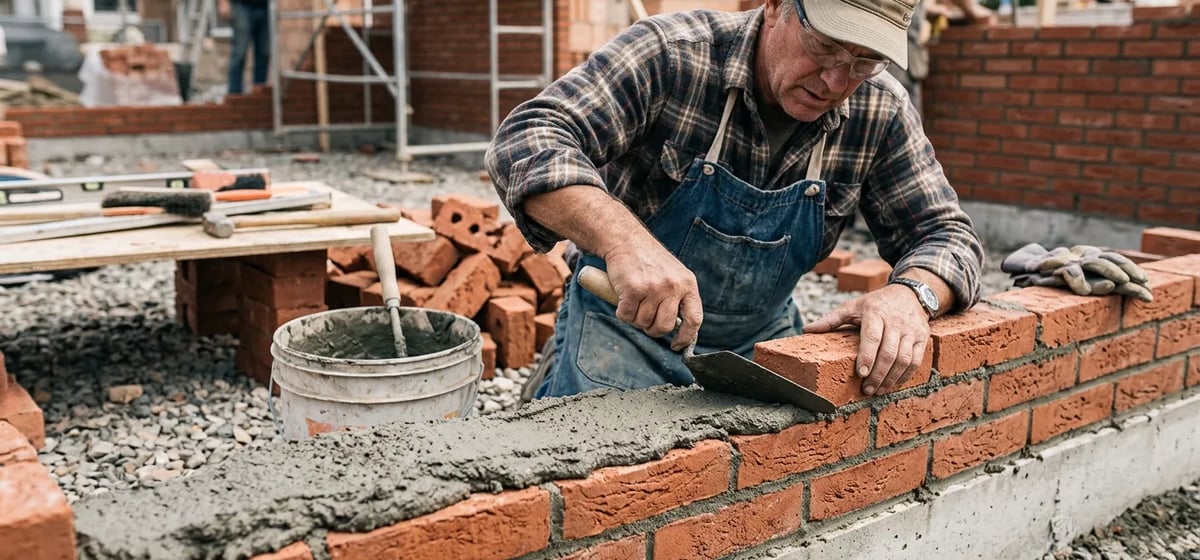
Mortar is the glue that holds brick and stone structures together. It's a thick mixture of sand, cement, and water. Masons spread it between bricks when building a chimney or a house wall. Once it dries, it turns as hard as rock to keep the structure standing strong. The name comes from the Latin word "mortarium." This was the bowl used to crush and mix the ingredients long ago. Ancient builders used mud and clay mixtures before the Romans perfected cement versions.
Today, mortar comes in a few different types. The most common type for homes is called Type N. It's a general purpose mix used for exterior brick walls and chimneys. Type S is stronger and is used below ground for foundation walls. Mortar is very different from concrete. Concrete is a standalone building material used for pouring driveways and thick walls. Mortar is softer and acts as an adhesive to stick blocks or stones together.
Where you find it around your house
You'll see mortar in many places outside and inside your home. It's most common on the outside of brick houses. You'll also find it holding up your chimney and keeping your brick mailbox standing straight. If you have a stone walkway or a brick patio, mortar keeps the pieces locked in place.
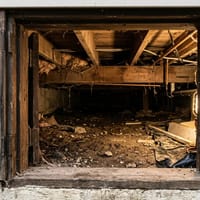
You might also have mortar hiding out of sight. Many older homes have basement walls built from concrete cinder blocks. Mortar holds those heavy blocks together. You can learn more about how these walls work in our guide to Foundation & Structure. Inside your house, you might see mortar around a brick fireplace or a stone accent wall.
Signs of trouble and what to watch for
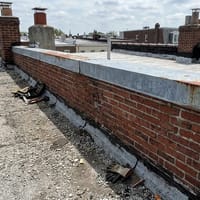
Over time, weather and house settling take a toll on mortar. Water is its biggest enemy. When rain gets into tiny cracks and freezes, it expands. This pushes the mortar apart and makes it crumble. You should check your brickwork at least once a year.
- Look for missing chunks or deep cracks between the bricks.
- Watch for a dusty white powder on the brick surface, which means water is moving through the wall.
- Check for loose bricks that wiggle when you push on them.
- Inspect your chimney from the ground to see if the top looks jagged or worn.
Repair costs and hiring a pro
Fixing old mortar is a process called tuckpointing or repointing. A mason grinds out the damaged mortar and presses in new material. This stops water from getting behind the bricks. You can tackle tiny cracks yourself with a tube of repair caulk. But repointing a whole wall or chimney is hard, dusty work. It's usually better to hire a professional. You can read more about deciding when to do it yourself in our guide to DIY vs. Hiring a Pro.
Repointing costs depend on the size of the job. Prices vary by location and how hard it is to reach the area. A small repair near the ground will cost much less than fixing a tall chimney.
- A small wall patch usually costs 300 to 500 dollars.
- Repointing a chimney often runs 1000 to 2500 dollars.
- Fixing a large brick wall costs 10 to 20 dollars per square foot.
Always get a few quotes from local masons before starting a big project. Catching mortar problems early saves you money and keeps your home safe and dry.