What Is Caulk?
Caulk is a flexible, waterproof paste. You use it to seal joints and gaps around your house. It blocks drafts and stops water leaks. Unlike grout or cement, caulk stays rubbery after it dries. This allows it to stretch and shrink as your house settles over time. The word actually comes from the Latin word calcare. This means to tread or press down. Shipbuilders used the term long ago. They pressed tar into the seams of wooden boats to make them watertight.
Why It Matters To You
Water is the biggest enemy of your home. A tiny gap around your bathtub can let water seep into your walls and floors. Over time, this causes wood rot and mold. Caulk acts as a cheap shield against these expensive problems. It also stops air leaks around your home. Sealing the gaps around your Windows & Doors keeps cold winter drafts out. This helps lower your energy bills all year long.
Where You Find It
You will see caulk all over your house. It bridges the gap between two different materials. Here are the most common places you will find it:
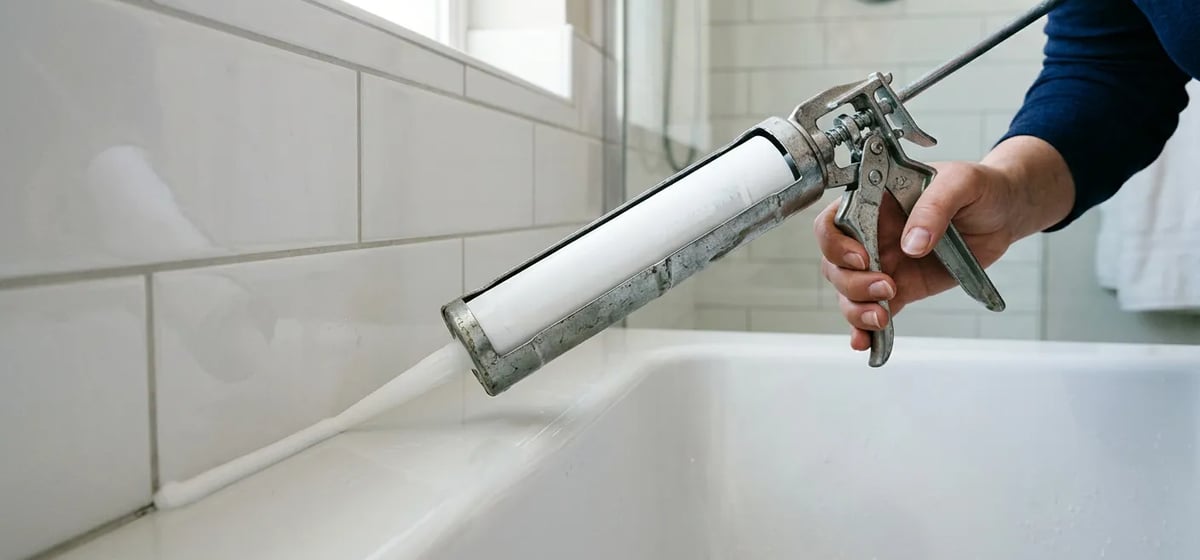
- Bathrooms: Around the base of your toilet, the edge of your bathtub, and your sink.
- Kitchens: Where your countertop meets the tile backsplash.
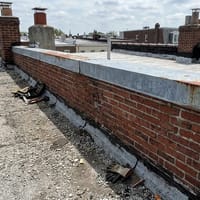
- Exteriors: Where your Exterior: Siding, Garage & Decks meets your window frames or brickwork.
- Baseboards: Where your wood trim meets the painted drywall.
Types Of Caulk
Not all caulk is the same. Picking the right tube at the hardware store is important. The two main types are silicone and acrylic latex.
| Type of Caulk | Best Used For | Can You Paint It? |
|---|---|---|
| 100 Percent Silicone | Showers, tubs, sinks, and exterior windows. It handles water the best. | No. Paint will slide right off. |
| Acrylic Latex | Baseboards, crown molding, and dry indoor spaces. | Yes. It takes paint very well. |
You might also see siliconized acrylic caulk. This blends the two types. It gives you a bit more water resistance but still lets you paint over it.
What To Watch For And Costs
Caulk does not last forever. It slowly dries out, shrinks, and cracks. In a wet shower, old caulk can grow deep black mold that you cannot scrub away. When you see peeling or cracked caulk, you need to act fast. If you ignore it, water will get behind your tiles and ruin the drywall. Fixing water damage can easily cost 1,000 to 3,000 dollars.
When it is time for a fix, you must scrape out the old caulk first. You must clean the area and let it dry completely. Never put new caulk right over old caulk. The new layer will not stick properly and will peel off in a few weeks.
Replacing caulk is a very cheap maintenance project. A standard tube of caulk costs 5 to 15 dollars at the hardware store. A basic metal caulk gun costs about 10 dollars. If you decide to hire a handyman to recaulk a standard bathtub, expect to pay 100 to 250 dollars for the labor and materials. Keep in mind that exact prices vary based on your local area. If you want to tackle this yourself, check out our guide on DIY vs. Hiring a Pro to see if you are ready for the job. Taking an hour to recaulk a leaky window or a moldy shower is one of the best ways to protect your home.