What is oriented strand board?
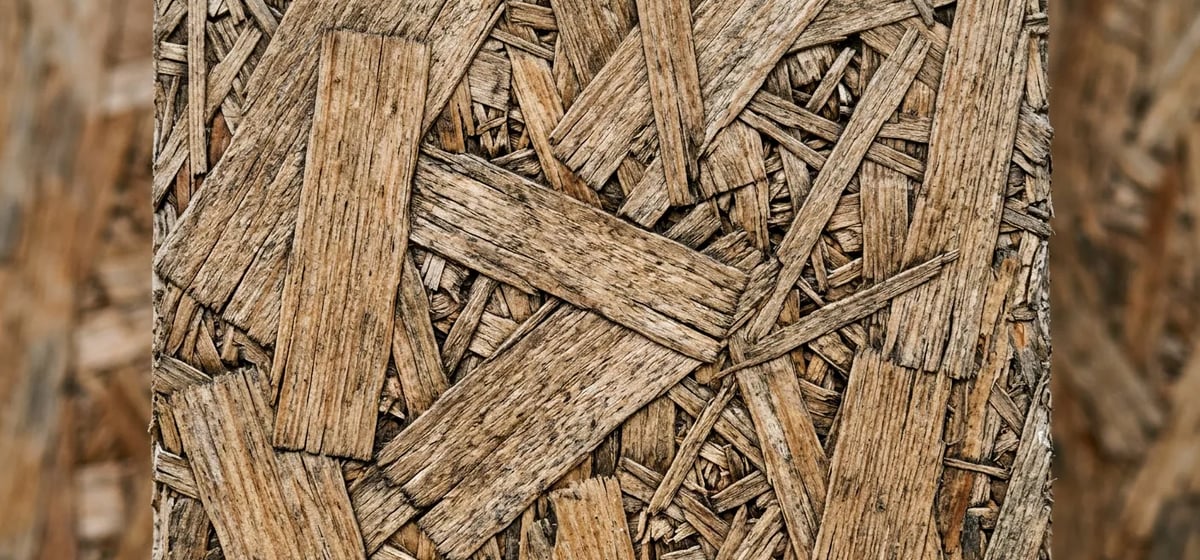
Oriented strand board is a common building material. You'll often hear builders call it OSB. It's a strong wood panel made by taking thousands of small wood chips and gluing them together under high heat and pressure. The name describes exactly how it's made. The wood strands are lined up in specific layers to give the board maximum strength. The product was invented in California in the 1970s as a cheaper alternative to plywood.
Today, almost all new homes use it. It forms the solid skin of your house. Builders nail these large panels to the wooden frame of your home. This creates a flat surface for attaching other materials. It also stops the house frame from swaying or twisting in high winds.
Where you will find it in your home
You probably won't see this material once your home is finished. It hides behind your walls, under your floors, and beneath your roof. Here are the main places builders use it:
- Wall sheathing: It covers the outside walls of your wooden frame before the builder adds siding or brick.
- Roof decking: It covers the roof trusses. This gives roofers a solid base to nail down tar paper and shingles. You can learn more about this in our Roofing guide.
- Subfloors: Thicker sheets of OSB create the floor base under your carpet, tile, or hardwood.
If you go up into an unfinished attic, you can usually look up and see the bare OSB panels on the underside of your roof. You might also spot it on the bare walls of an unfinished garage.
Plywood versus oriented strand board
People often confuse OSB with plywood. They serve the exact same purpose in home building. Plywood is made from large, thin sheets of wood peeled from a log and glued together. OSB is made from small rectangular wood chips. Both are very strong.
Builders love OSB because it's cheaper to make. It also uses smaller, faster growing trees, which makes it easier to produce in large amounts. However, it has one weakness. The edges of the board can swell if they sit in water for too long. Once the edges puff up, they never shrink back down. Plywood handles water slightly better.
What you can expect to pay
If you're doing a home repair or adding a shed, you might need to buy a few sheets. You can find it at any local hardware store. The panels usually come in 4 foot by 8 foot sheets. The price changes based on how thick the panel is and what the lumber market is doing.
A standard half inch thick sheet usually costs between $15 and $25. Thicker panels for floors might cost $30 to $45 per sheet. Keep in mind that lumber prices go up and down constantly, so these ranges vary. If you hire a professional to replace rotted wood on your house, they'll charge you for the materials plus their labor. You can read our Hiring Contractors & What Things Cost guide for tips on managing these repair bills.
How to protect your home structure
Since oriented strand board is the core skin of your house, keeping it dry is your top priority. You want to make sure your gutters are clean and your roof is in good shape. Water is the biggest enemy of this material. When water gets trapped behind your siding, the OSB will slowly soak it up like a sponge.
You should walk around your house once a year to inspect the outside. Look for cracked caulking around your windows and doors. Check for loose siding panels. Make sure the dirt in your flower beds doesn't touch the bottom edge of your siding. If dirt touches the wood panels, termites and moisture can easily get inside. By keeping the outside of your home sealed tight, the oriented strand board underneath will easily last for the entire life of your house.