What Is an Ohm?
An ohm is a way to measure electrical resistance. Think of electricity like water flowing through a pipe. The voltage is the water pressure. The current is the amount of water flowing. The resistance, measured in ohms, is the size of the pipe. A narrow pipe makes it harder for water to flow. A high ohm reading means it is hard for electricity to flow. If a wire is broken, the resistance is infinite. Electricity can't flow at all.
Why Ohms Matter for Your Home
You'll mostly hear about ohms when an appliance breaks. Devices that create heat rely heavily on resistance. You will find thick metal coils called heating elements in several common places:
- Electric ovens and stovetops
- Electric clothes dryers
- Hot water heaters
- Baseboard space heaters
When electricity pushes through these coils, the high resistance creates friction. That friction turns into heat. Over time, these metal coils burn out and break. When they break, the circuit is open. The resistance becomes infinite, and the appliance stops heating. This is a common issue with home Appliances.
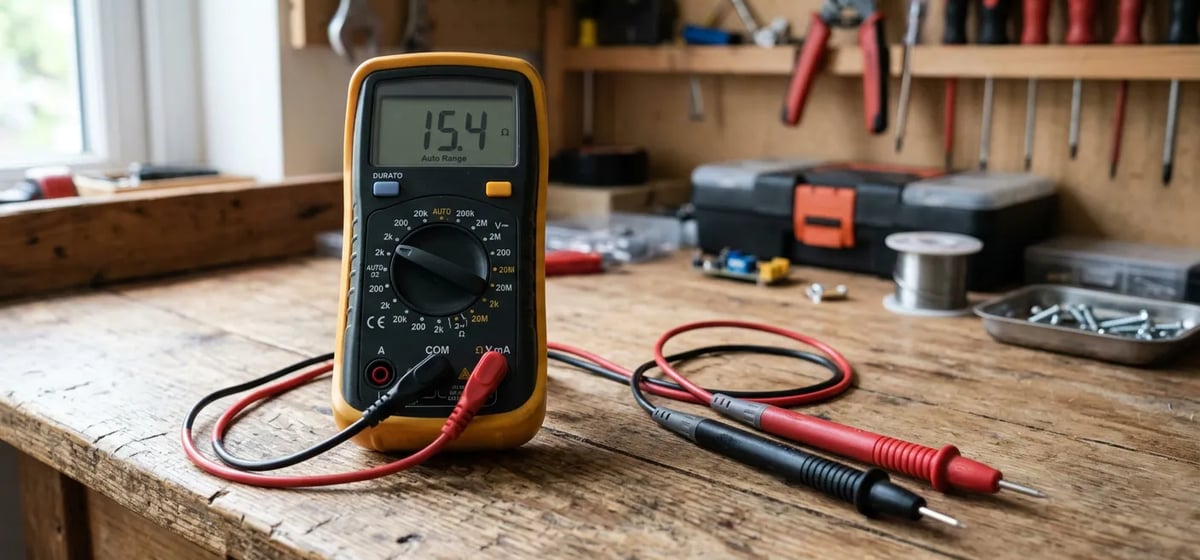
Electric water heaters have two heating elements inside the tank. If your water is only lukewarm, one of those elements might be burnt out. You can turn off the power, drain a little water, and test the two screws on the element with a multimeter. A working 4500 watt water heater element should read around 12 to 13 ohms. If it reads much higher or shows no connection, you've found the broken part. A replacement element is cheap. It usually costs 15 to 25 dollars at a hardware store. A plumber will charge 150 to 400 dollars to drain the tank and swap the part for you. Prices will vary by region and the type of tank you own.
How Professionals Test for Ohms
If your oven stays cold, an appliance repair person will pull out a tool called a multimeter. They'll touch the probes to the ends of the heating element to check the ohms. A good baking element usually reads between 15 and 30 ohms. If the meter shows no reading or an infinite reading, the element is dead. It must be replaced. A new oven heating element usually costs between 20 and 60 dollars for the part. If you hire a pro to install it, you can expect to pay 150 to 300 dollars for labor and parts, though ranges vary depending on where you live.
Other Places You Will See Ohms
You might also hear about ohms if you have audio equipment. Home theater speakers are usually rated at 4, 6, or 8 ohms. This tells you how much power the speaker draws from the amplifier. Matching speaker ohms is very important. If you connect a 4 ohm speaker to an amplifier built for 8 ohms, the speaker will pull too much power. The amplifier will overheat and shut down. Always check the back of your speakers for a printed label that lists the ohm rating before you wire up a living room entertainment center. You might also run into this term if you are dealing with a bad ground wire in your Electrical system. An electrician will test the ground rods to make sure the resistance is low enough to keep your house safe from lightning.
When to Call a Pro Versus Testing It Yourself
Testing for ohms is a safe and easy way to figure out what is broken, as long as the power is off. Many homeowners buy a cheap multimeter for 15 to 30 dollars to test bad water heater thermostats or blown fuses. But if the test shows a problem with your main electrical panel, you should stop. When you are weighing DIY vs. Hiring a Pro, panel work is always a job for a licensed expert.