What They Are
A polycrystalline panel is a specific type of solar panel used to power homes. Manufacturers make them by melting down multiple fragments of silicon and pouring the liquid into a square mold. This process is where the name comes from. The word combines the Greek prefix poly, meaning many, with crystalline to describe the multiple silicon pieces. This method was created in the early 1980s as a cheaper way to mass produce solar cells.
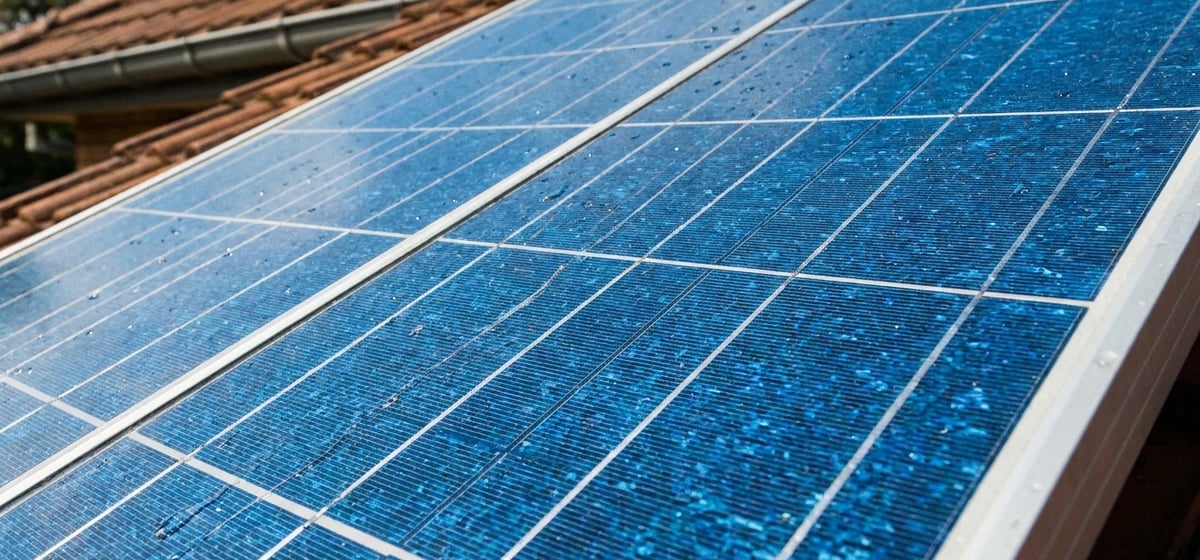
You can easily spot these panels on a house. They have a distinct blue color instead of a solid black look. Because they are made from many different crystals pressed together, the surface looks speckled or shattered under the glass. You will also see a visible grid of silver lines running across the blue squares.
Why They Matter to You
If you are looking into Solar Panels for your house, you will likely choose between polycrystalline and monocrystalline options. Polycrystalline panels matter because they offer a budget friendly way to generate your own electricity. The manufacturing process wastes less silicon and takes less time. Those savings get passed on to you when you buy the system.
However, there is a trade off for that lower price. These panels are slightly less efficient at turning sunlight into electricity than solid black panels. Because the silicon is fragmented, the electrons have less room to move around. This means you need to buy more panels to generate the exact same amount of power. If you have a small roof, this can be a problem.
What They Cost
The biggest draw for these panels is the price tag. You measure solar panel costs by the watt. Polycrystalline panels usually cost between $2.30 and $2.70 per watt to install. For an average sized home, a complete system might cost between $13,000 and $18,000 before applying any tax credits. Keep in mind that ranges vary widely based on your local labor rates and the specific company you hire.
Solid black panels usually cost between $2.80 and $3.50 per watt. Over an entire roof, choosing the blue panels can save you a few thousand dollars upfront. You should always get multiple bids to see the true difference for your specific house. Read up on Hiring Contractors & What Things Cost to learn how to compare those bids fairly.
What to Watch For
Before you sign a contract for any solar setup, you need to look at your roof. Because these panels require more space, they will cover a larger portion of your shingles. You do not want to install a massive array of panels on an old roof that needs replacing in three years. Removing and reinstalling panels just to fix a leak is very expensive.
Have a professional check your Roofing materials first. Ensure the structure can handle the extra weight of a larger system. You also need to check your local rules. Some strict homeowners associations have rules against the blue speckled look of these panels. They might force you to install solid black panels instead so they blend in with dark shingles.
- Check your available roof space to ensure a larger system will actually fit.
- Review your neighborhood rules regarding visible solar equipment.
- Inspect your shingles to make sure they will outlast the new panels.
- Compare the warranty terms between different panel brands before buying.