What Polyurethane Is
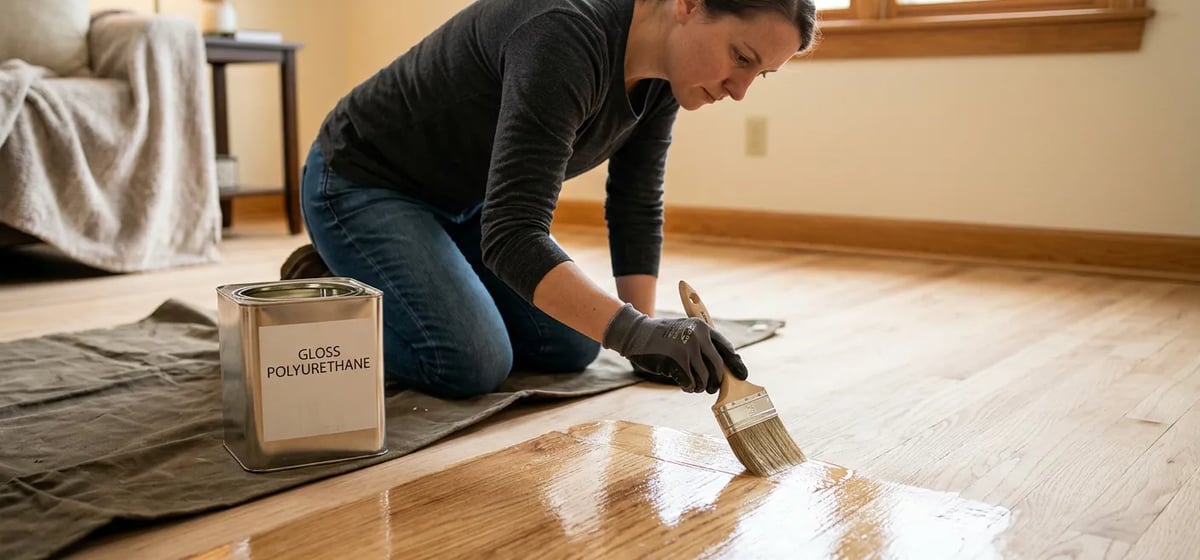
Polyurethane is a clear liquid finish that you brush, roll, or spray onto bare or stained wood. Once it dries, it turns into a tough plastic shell. This hard layer protects the wood underneath from water, dirt, and daily wear and tear. You'll most often see it used on hardwood floors, cabinets, doors, and furniture. German chemist Otto Bayer invented the material in the 1930s. He wanted to replace expensive natural rubber. The word itself combines "poly", meaning many, with "urethane", a type of chemical compound. Today, it's the standard clear coat used in most home wood projects.
Why Polyurethane Matters to You
Wood is naturally soft and porous. If you spill water on raw wood, it soaks right in and leaves a dark stain. If you drop a heavy pan on a bare wood floor, it dents easily. Polyurethane creates a barrier that stops moisture and scratches. When you look at Flooring options, you'll find that most solid hardwood floors have multiple coats of this finish. It keeps the wood looking new for years. You can mop a sealed floor without ruining the wood. It also makes dusting and sweeping much easier because dirt can't stick to the slick plastic surface.
Oil-Based Versus Water-Based
When you buy polyurethane, you must choose between two main types. Each has different costs and uses. Prices vary by region and brand, but a gallon usually costs 40 to 80 dollars. One gallon covers 300 to 400 square feet.
- Oil-based polyurethane: This type is thick and takes longer to dry. It leaves a slight amber or yellow tint on the wood. This warm glow looks great on dark woods like oak or walnut. It's very durable but has a strong chemical smell. You need good ventilation when applying it.
- Water-based polyurethane: This type goes on milky white but dries crystal clear. It doesn't turn yellow over time. It dries fast and has almost no odor. However, you usually need to apply more coats to get the same level of protection. It costs a bit more than oil-based versions.
What to Watch For
Applying polyurethane takes patience. You can't just slap it on like regular paint. If you brush it too fast, you'll create tiny bubbles that harden into the finish. You have to sand the surface lightly between each coat to make sure the next layer sticks. Dust is your biggest enemy. If dust settles on the wet finish, your floor will feel rough like sandpaper.
If you hire a professional to refinish your floors, expect to pay 3 to 6 dollars per square foot. This price includes sanding off the old finish and applying three coats of new polyurethane. Make sure you discuss the smell with your contractor. If they use oil-based finish, you might need to leave the house for a few days. You can learn more about managing these strong fumes in our guide to Smells & Odors.
How to Maintain Your Finish
Once your floors or cabinets have a solid coat of polyurethane, taking care of them is simple. You just need to sweep or vacuum regularly to remove grit. Small pieces of dirt act like sandpaper under your shoes and will slowly scratch the clear coat. You shouldn't use harsh chemicals, wax, or steam mops on a polyurethane finish. Steam can melt the plastic shell and turn it cloudy. Instead, use a damp mop with a cleaner made specifically for sealed wood floors. Over time, the high traffic areas in your home will start to look dull. You don't always have to sand the wood down to bare boards when this happens. A flooring contractor can often do a screen and recoat. They just scuff up the top layer of the old polyurethane and apply one fresh coat. This process costs much less, usually 1 to 2 dollars per square foot, and brings the shine right back.