
Rotten Eggs and Sulfur
Natural gas is completely odorless. Utility companies add a chemical called mercaptan to make it smell like rotten eggs. If you smell this, leave the house right away. Call your gas company or 911 from outside. Read more about handling home emergencies safely.
If the smell is faint and hangs around a specific drain, you might just have sewer gas backing up. This happens when a sink or tub goes unused for a long time. The water in the P-trap dries up. That lets sewer gas float right up into your room. Run the water for a minute to refill the trap. If the smell comes from the base of your toilet, your wax ring might be failing. Replacing a wax ring is a standard plumbing repair that costs around $150 to $250. Keep in mind that prices vary by region and home age.
Fishy Smells
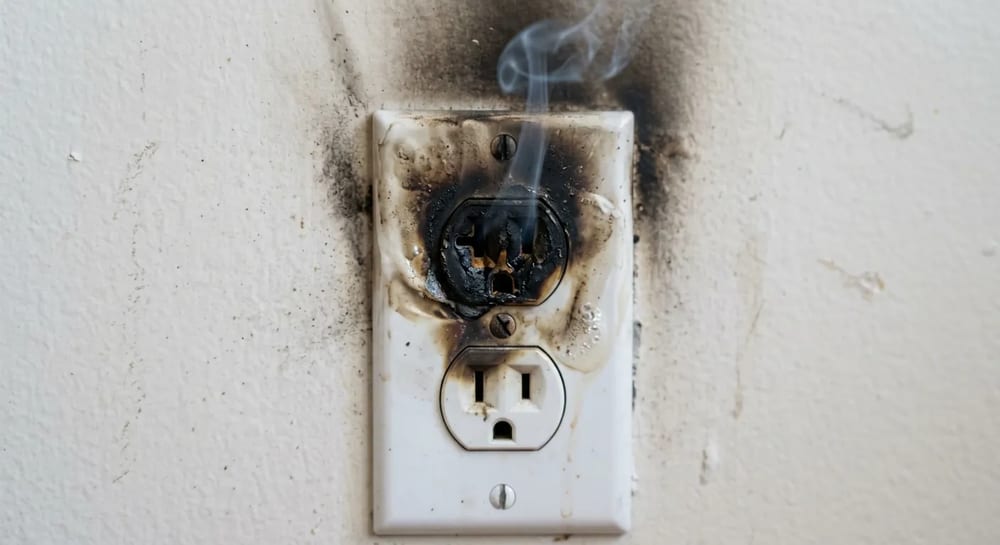
A fishy smell is rarely actual fish. It usually means electrical components are overheating and melting. Wire insulation, circuit breakers, and plastic outlets give off a strong fishy or urine-like odor when they get too hot.
Go to your breaker box and sniff. Walk around and smell your outlets. If you find a hot outlet or a breaker that smells bad, turn off the power to that area. Call a licensed electrician right away. Ignoring this smell can lead to a house fire. Fixing a burnt outlet might cost $120 to $200. Replacing a bad breaker panel can run $1,500 to $3,000. Learn more about your electrical system to spot issues early.
Musty and Moldy Odors
That old basement smell means you have moisture where it does not belong. Mold and mildew grow in dark, damp spots. Check under your sinks for slow drips. Look at your ceilings for brown water stains.
If the whole house smells musty when the air conditioner kicks on, the problem is inside your ductwork or air handler. Dust and moisture build up on the evaporator coil. This creates a breeding ground for mold. You will need a pro to clean the coil. A standard HVAC and climate control service call runs $100 to $300. Again, your exact cost depends on your area and system size.
Burning Dust and Smoke
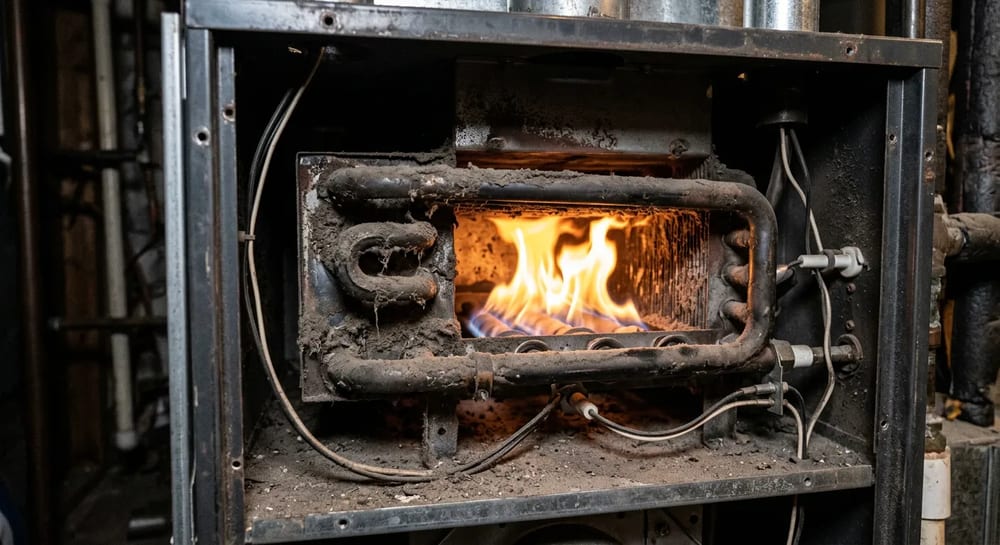
The first time you turn on your heater in the fall, you will probably smell burning dust. This is normal. Dust settles on the heat exchanger all summer. When the furnace fires up, that dust burns off. The smell should fade after an hour or two.
If the smell sticks around, or if it smells like burning rubber, turn the system off. A failing blower motor or a slipping fan belt can create a harsh burning rubber odor. You will need an HVAC tech to swap out the bad parts.
Dead Animal and Ammonia
A sweet, sickening, rotting smell usually means a mouse, rat, or squirrel died inside your walls or ductwork. The smell gets worse over a few days, peaks, and then slowly fades as the animal dries out. This process can take weeks.
A strong ammonia smell often means you have an active rodent infestation. Mice and rats urinate constantly as they run. If you smell ammonia in your attic or basement, look for droppings. You might need to hire a pest control expert. Professional trapping and exclusion work usually costs $300 to $800.
Chemical and Sweet Smells
A sweet, chemical odor near your air conditioner might be a refrigerant leak. Freon and modern refrigerants have a slightly sweet scent. If your AC runs constantly but does not cool the house, a leak is highly likely.
Sharp chemical smells usually come from fresh paint, new carpets, or new furniture. These are called volatile organic compounds. Open your windows and run fans to air the house out. The smell should drop off in a few days.
Cost to Fix Common Odor Sources
Finding the smell is only half the battle. Here is what you might pay to fix the underlying problems. Keep in mind that costs vary heavily by region, scope of work, and the age of your home.
| Smell | Likely Source | Average Repair Cost |
|---|---|---|
| Rotten Egg | Plumbing wax ring replacement | $150 to $250 |
| Fishy | Replacing a burnt electrical outlet | $120 to $200 |
| Musty | HVAC coil cleaning | $100 to $300 |
| Ammonia | Pest exclusion and trapping | $300 to $800 |
Odor Removal Timelines
Once you fix the source, how long does the smell stick around? Here is a rough guide to how many days it takes for common odors to naturally fade with good ventilation.

Sewer Smell in the House
A sewer smell means gas from your drain lines is getting into a room. Every drain has a P-trap, a U-shaped bend that holds a small plug of water. That water blocks gas from rising up the pipe. When the smell shows up, work through the common causes in order.
- Dry P-trap: A sink, tub, or floor drain you rarely use lets the trap water evaporate. Run the tap for a minute, or pour a cup of water down the drain, to refill it.
- Failed toilet wax ring: A smell at the base of the toilet, often worse after a flush, points to a leaking seal. The ring needs replacing.
- Blocked vent stack: Every drain system has a vent pipe that runs up through the roof. A nest, leaves, or ice can clog it. Drains then gurgle and pull water out of traps, so the smell moves around the house.
If refilling the traps does not fix it, the problem is in the pipes or the vent and needs a plumber. A persistent sewer smell can also mean a cracked drain line behind a wall.
Rotten Egg Smell in Hot Water Only
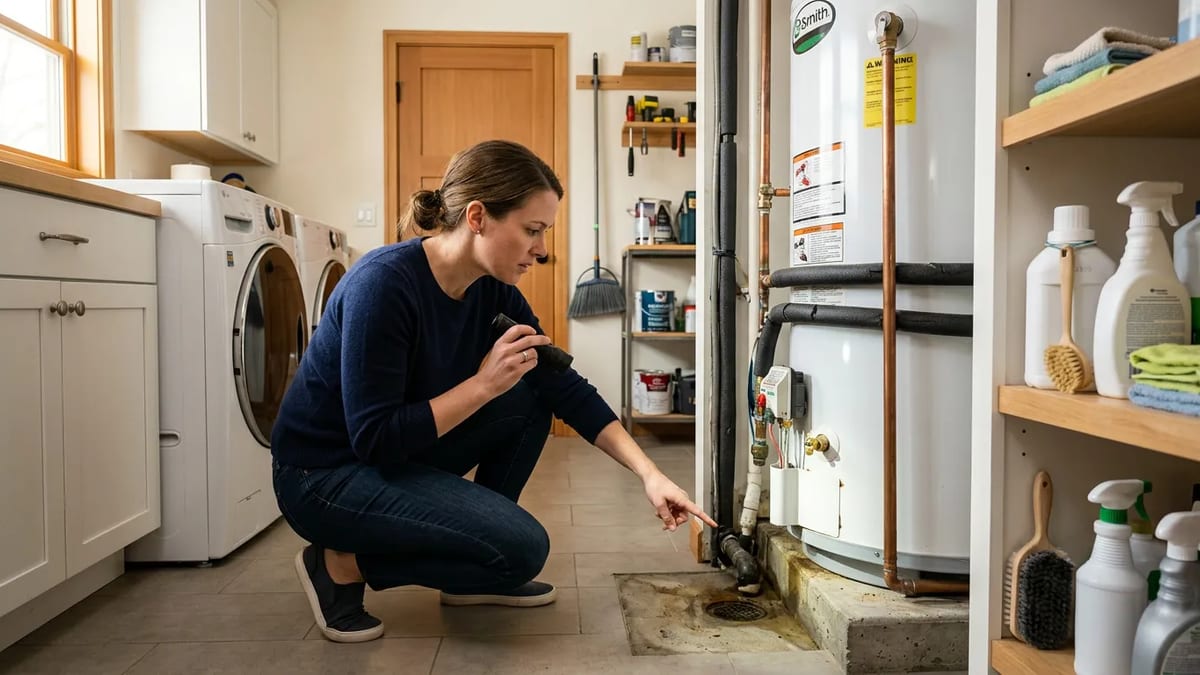
If the rotten egg smell shows up only when you run hot water, and the cold water is fine, the source is your water heater, not a gas leak. Most heaters have a metal anode rod that protects the tank from rust. That rod can react with sulfur and bacteria in the water and produce hydrogen sulfide gas. The gas is what you smell.
The smell is unpleasant but the water is generally still safe to use. To confirm the cause, smell the cold tap and the hot tap separately. Cold clean, hot bad means the heater. A standard fix is to flush the tank and have a plumber swap the standard anode rod for a zinc-aluminum one. Read more in the plumbing guide.
Removing Smoke and Pet Odors
Smoke and pet smells soak into soft surfaces and stay there. Air freshener only masks the odor for a few hours. To actually remove it, take out the source and clean the materials that hold the smell. Work in this order.
- Ventilate: Open windows and run fans to push old air out. Fresh airflow does more than any spray.
- Remove the source: Take out ashtrays, litter boxes, soiled bedding, or anything that holds the odor.
- Clean soft surfaces: Wash curtains, bedding, and slipcovers. Shampoo carpets and upholstery, since these trap the most smell.
- Wipe hard surfaces: Smoke leaves a film on walls, ceilings, and trim. Wash them with a mild cleaner.
If the smell lingers in walls after cleaning, a sealing primer locks in odors that soaked into drywall before you repaint. Heavy smoke damage may need professional ozone treatment, which can leave its own residue and requires an empty house. Strong, persistent indoor odors can also point to a moisture or air-quality issue, covered in the environmental hazards guide.