How a Post Tension Slab Works
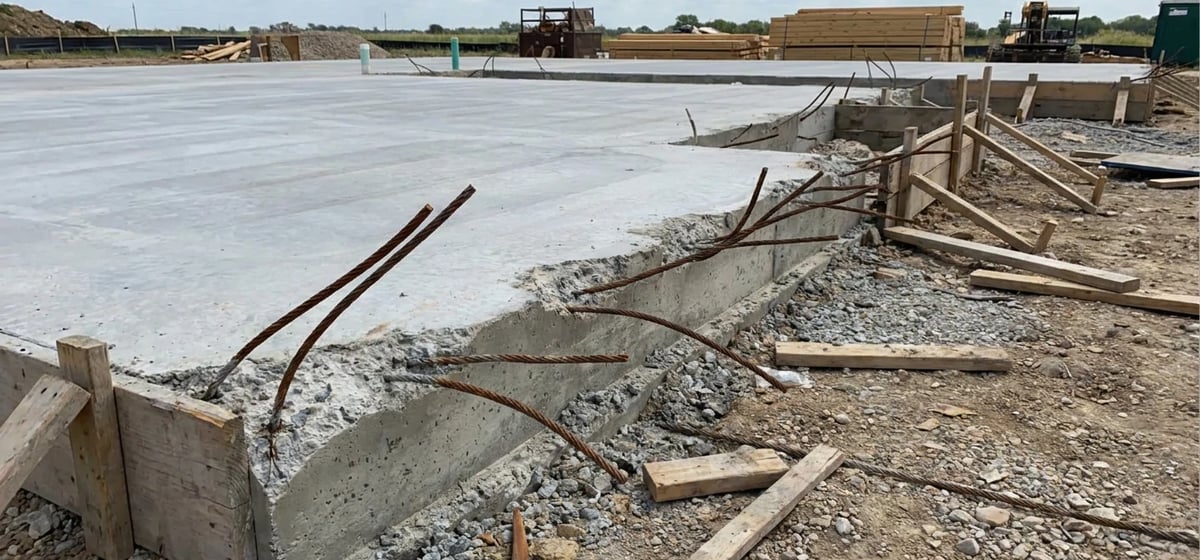
A post tension slab is a special type of concrete foundation. You'll find it under many modern homes. Builders make it by laying down a grid of strong steel cables before they pour the concrete. These cables sit inside plastic tubes. This means the cables don't actually touch the wet concrete.
After the concrete cures and hardens, the workers return to the site. They use a heavy hydraulic jack to grab the ends of the steel cables. They pull these cables extremely tight. Once the cables are tight, the workers lock them into place at the edges of the slab. This process is called post tensioning. It squeezes the concrete together like a giant clamp. This squeezing makes the foundation much stronger than a standard concrete slab.
Why Your Home Might Have One
Builders choose this foundation when they build homes on tricky dirt. Many parts of the United States have expansive clay soils. Clay acts like a sponge. It swells up when it rains and shrinks when it dries out in the summer. This constant moving and shifting is very hard on a house.
A regular concrete foundation will often crack under this stress. A post tension slab handles the stress much better. Because the steel cables constantly squeeze the concrete, the slab can bend slightly without snapping. It floats on top of the moving soil as one solid piece. If you live in places like Texas, California, or Colorado, there's a very good chance your home rests on one of these slabs. You can read more about caring for your home's base in our Foundation & Structure guide.
The Golden Rule of Post Tension Slabs
You must know if you have a post tension slab before you do any major remodeling. The steel cables inside the concrete are under massive pressure. They hold thousands of pounds of tension.
You might need to cut into your foundation to move a plumbing pipe or anchor a new staircase. Before you start, check your garage floor or patio edges for a stamped warning sign. Builders usually press a plastic or metal sign into the wet concrete to warn future owners. It usually says "Post Tension Slab, Do Not Cut or Core." You can also look at the outside edges of your foundation for small, round patches. These patches cover the spots where the workers locked the cables. If you don't see a stamp or patches, check your original building plans to be safe.
Costs for Scanning and Repairs
If you need to remodel, you'll have to hire a company to find the cables. They use ground penetrating radar to look inside the concrete. This radar scan shows the workers exactly where the cables are so they can drill safely between them.
Costs for these services can add up quickly, though exact ranges vary based on where you live. Here are some typical ballpark prices you might see:
- Scanning the slab: Expect to pay 400 to 800 dollars for a professional radar scan of a small area.
- Repairing a broken cable: If a cable snaps, fixing it costs 1,000 to 3,000 dollars per cable.
- Foundation repair: If the slab itself fails, major repairs can cost 5,000 to 15,000 dollars.
If you're planning a big project that involves the floors, you should budget for the radar scan early. You can learn more about budgeting for these types of jobs in our guide to Hiring Contractors & What Things Cost.