What It Is
R-Value is a simple rating system for insulation. The letter R stands for resistance. This number tells you how well a material stops heat from moving into or out of your house. A higher number means the material gives you better protection against cold winters and hot summers.
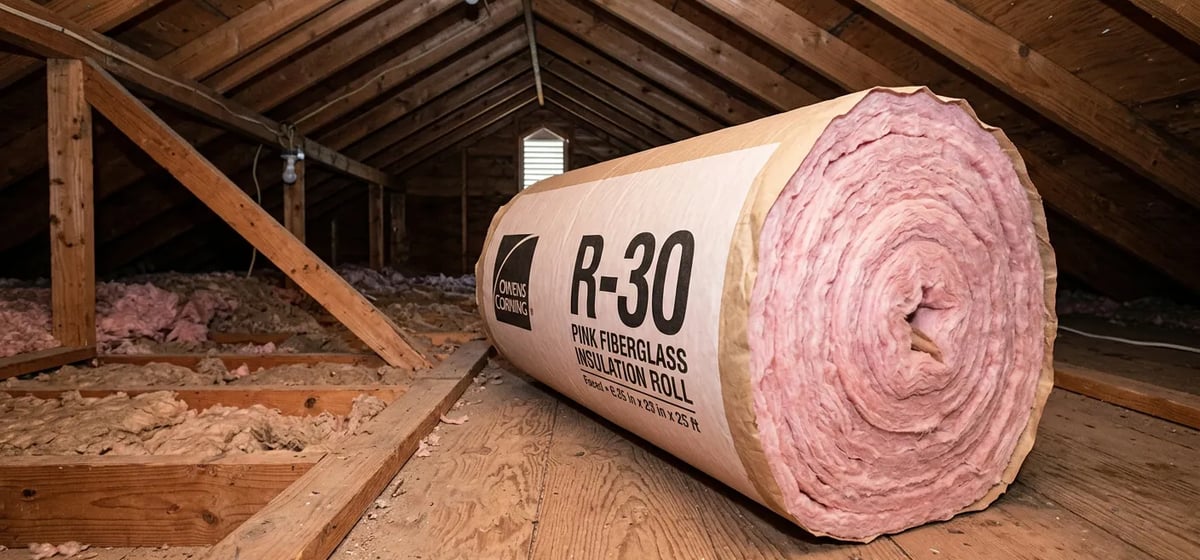
You can think of it like a winter coat. A thin windbreaker has a low rating. A thick down jacket has a high rating. Building experts created this standard in the 1970s so buyers could easily compare different products. When you walk down the insulation aisle at a hardware store, you'll see this number printed in big letters on every roll of fiberglass.
Why It Matters To You
Your home loses heat in the winter and gains heat in the summer. Good insulation slows this process down. When you have a high R-Value in your walls and attic, your furnace and air conditioner don't have to work as hard. This keeps you comfortable and lowers your monthly utility bills.
Proper insulation also protects your house from damage. In the winter, a well-insulated attic keeps heat from escaping through the roof. This helps prevent ice dams from forming on your gutters. If you're struggling with drafty rooms or high energy bills, upgrading your insulation is often the best fix. You can learn more about keeping your home comfortable in our HVAC & Climate Control guide.
Common Materials and Ratings
Different materials offer different levels of heat resistance. Builders usually measure this rating per inch of thickness. If a material has a rating of R-3 per inch, and you use 10 inches of it, your total rating is R-30.
Here is a quick look at common insulation types and their average rating per inch:
| Material Type | Average Rating Per Inch |
|---|---|
| Fiberglass batts (rolls) | R-3 to R-4 |
| Blown-in cellulose (recycled paper) | R-3 to R-4 |
| Open-cell spray foam | R-3.5 to R-4 |
| Closed-cell spray foam | R-6 to R-7 |
Your local building codes require specific total ratings based on where you live. Homes in cold northern states might need R-49 to R-60 in the attic. Homes in warm southern states might only need R-30 to R-38.
What To Watch For
More isn't always better. Once you hit the recommended rating for your climate, adding more insulation won't save you much money. You also need to be careful about how the material is installed.
Air leaks are another big problem. Insulation stops heat from passing through solid materials, but it doesn't stop drafts. You must seal cracks and gaps around your house before you add insulation. If cold air blows right through the material, the high rating won't matter much.
Costs and Upgrades
Adding insulation to an attic is one of the most popular home improvement projects. It's usually easy to access, and the payoff is fast. If you hire a professional to blow cellulose insulation into your attic, expect to pay between $1,000 to $2,500. Prices and ranges vary based on your location, the size of your home, and the current condition of your attic.
If you want to tackle this yourself, you can rent a blowing machine and buy the materials for $500 to $800. Just be prepared for a dusty, itchy weekend. For more advice on pricing out home projects, check out our guide on Hiring Contractors & What Things Cost.