What is a raceway?
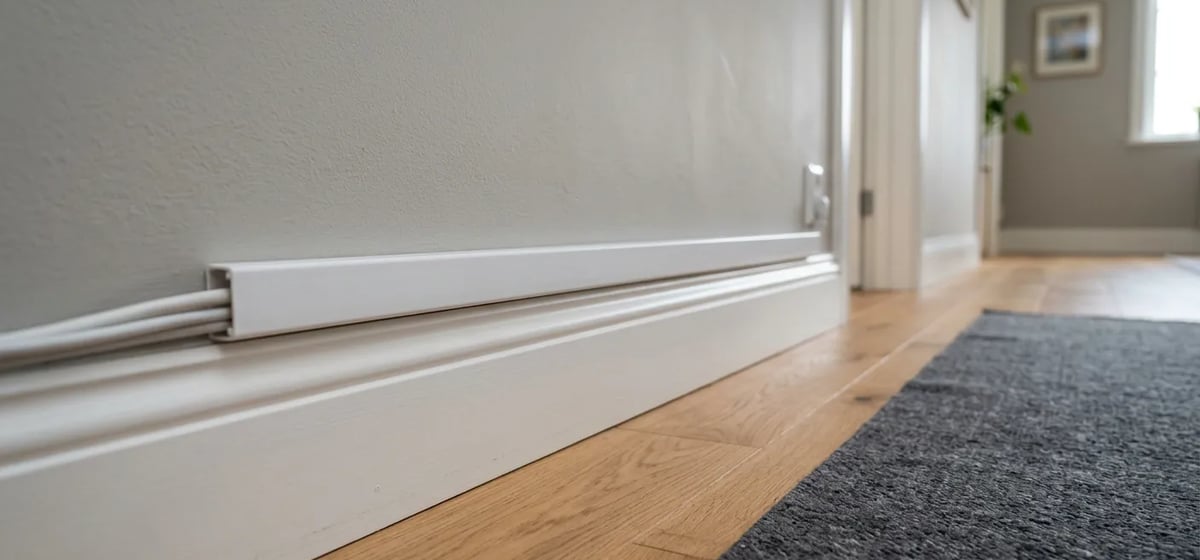
A raceway is an enclosed metal or plastic channel that protects and hides electrical wires running along a wall. The term originally referred to a channel built to carry water to a mill wheel. Electricians borrowed the word in the early 1900s to describe a channel that carries a current of electricity. Today, you'll often see it used in older homes or garages where wires can't be hidden inside the drywall. It keeps dangerous wiring safely out of reach while making the room look neat.
When you look around a modern house, you don't usually see wires. They run safely behind the drywall. But in older houses with solid brick walls or plaster, hiding wires is very hard. A raceway gives those wires a safe path across the surface of the wall. It acts like a protective tunnel.
Why you might need one
Older homes often lack enough outlets for modern living. You might have only one outlet in a bedroom, but you need to plug in a lamp, a phone charger, and a computer. Opening up old plaster walls to run new wires is a huge, messy job. A raceway solves this problem quickly and safely.
It lets an electrician add new outlets or switches without tearing apart your walls. They just mount the channel right on the surface of the wall, along the ceiling, or just above the baseboard. You'll also see raceways in unfinished spaces like basements, workshops, and garages. In these rooms, surface wiring is the normal way to run your electrical system.
Common types and materials
You can find raceways in a few different materials and shapes. Each type does a specific job in your home.
- Metal raceways: These are tough, flat, and paintable. You'll mostly see them in living rooms, dining rooms, or bedrooms. You can paint them to match your walls so they blend in perfectly.
- Plastic or PVC raceways: These are cheaper and very lightweight. Homeowners often use them to hide low voltage cords, like speaker wires or television cables hanging down from a mounted TV.
- Conduit: This is a heavy duty round metal or plastic tube. Electricians use conduit in exposed, rough areas like garages, exterior walls, or sheds where wires need maximum protection from damage.
What it costs to install
Adding a surface raceway is almost always cheaper than opening up a wall and repairing the drywall later. If you just want to hide a TV cord, a simple plastic channel kit might cost 15 to 30 dollars at a local hardware store. You can easily stick this to the wall yourself.
However, running actual electrical power is different. If you hire a professional to install a metal raceway and add a brand new wall outlet, expect to pay 150 to 400 dollars. As always, these ranges vary based on your location and the complexity of the job. You can learn more about pricing in our guide to hiring contractors and what things cost.
What to watch out for
Raceways are completely safe and legal when installed correctly. However, you must follow local building codes. One major rule is that you can't cram too many wires into a single channel. The wires carry electrical current and create heat. They need physical room inside the channel to breathe so they don't overheat and start a fire.
You also need to make sure the channel is securely fastened. Many plastic cord covers come with double sided tape. This tape can peel off over time, leaving your wires hanging. It's always better to screw the raceway directly into the wall studs or use drywall anchors. Finally, if you plan to run high voltage household wiring, you should consider hiring a pro. A licensed electrician knows exactly which type of metal raceway meets the safety rules for your specific room.