What is rebar?
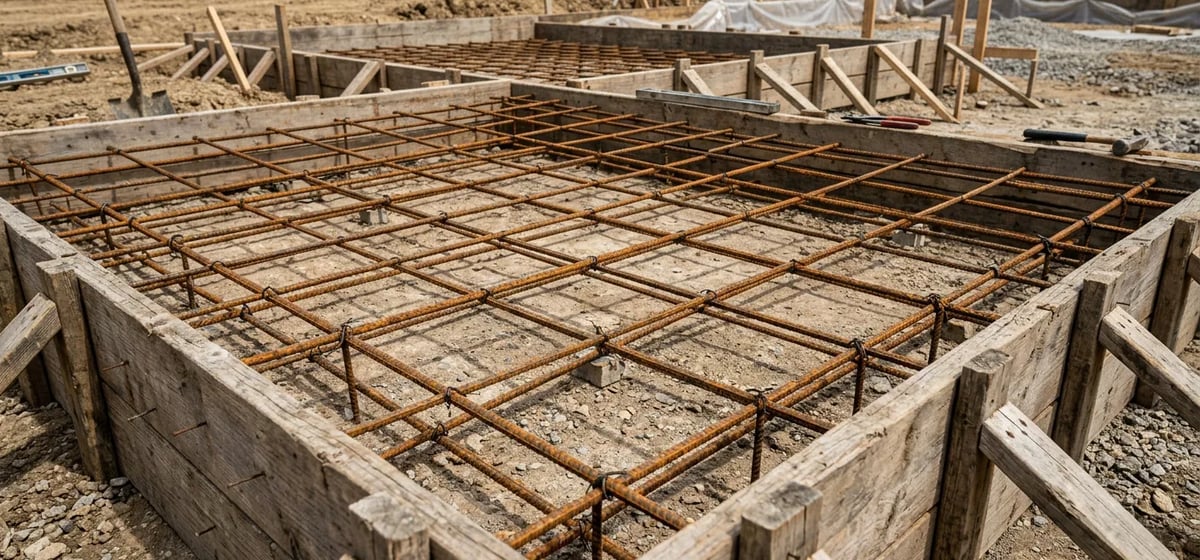
Rebar is short for reinforcing bar. It's a thick steel rod covered in raised ridges. Builders place these steel rods inside wet concrete before it dries. Concrete is incredibly heavy and hard, but it has a hidden weakness. It can crumble or snap if something bends or pulls it. Rebar gives the concrete a flexible steel skeleton.
The ridges on the outside of the bar are very important. They give the wet concrete a rough surface to grab onto. Once the concrete dries, it grips the steel tightly. This combination creates reinforced concrete. The concrete handles the heavy crushing weight, and the steel handles the pulling and bending forces. This teamwork keeps your concrete solid for decades.
Why your home needs it
Your house sits on dirt, and dirt moves. Soil shrinks when it gets dry and swells when it gets wet. In cold places, the ground freezes and heaves upward. All this movement puts massive stress on your concrete. Without steel inside, a long concrete driveway would quickly snap into pieces like a dry cracker.
Rebar holds the concrete together when the ground shifts underneath it. It's the secret ingredient that keeps your Foundation & Structure intact. Even if a small crack forms on the surface, the steel grid buried inside stops the crack from spreading wide open. It keeps your house level, safe, and secure against the changing seasons.
Where you will find it
You won't see rebar unless your concrete breaks or you're watching a construction crew. But it's hiding all around your property. Builders use different sizes of steel rods depending on the job.
- House foundations: The deep concrete footings and walls holding up your home are packed with thick steel bars.
- Driveways and garage floors: Cars and trucks weigh thousands of pounds. Builders lay a grid of steel before pouring these slabs to handle the heavy traffic. You can learn more about caring for these spaces in our guide to Exterior: Siding, Garage & Decks.
- Patios and walkways: Even small outdoor concrete pads usually have a light grid of steel or wire mesh inside to prevent ugly cracks.
- Retaining walls: Concrete walls that hold back heavy soil rely heavily on steel rods to keep them from tipping over.
What to watch out for
Rebar is incredibly strong, but it has one major enemy. That enemy is water. If water seeps deep into your concrete, it can reach the steel. When steel gets wet, it rusts. Rust is a huge problem for reinforced concrete.
If you see chunks of concrete falling off your foundation walls, you might see rusty orange steel underneath. You need to fix this quickly. A contractor will chip away the broken concrete, clean the rust off the steel, and patch the area with special waterproof cement. You should also seal large cracks in your driveway or patio to keep rain out of the slab.
How much does it cost?
If you buy rebar for a small home project, it's quite cheap. A standard 20-foot stick of half-inch rebar costs about 8 to 15 dollars at a hardware store. However, you rarely buy it alone. You usually pay for it as part of a larger concrete job.
If you hire a pro to pour a new reinforced concrete driveway, the steel is included in the total price. A typical two-car driveway might cost 5,000 to 10,000 dollars. A new backyard patio might run 2,000 to 4,000 dollars. Keep in mind that price ranges vary widely based on where you live and the cost of steel at the time. The contractor will cut the rods, tie them together into a grid with wire, and prop them up before the cement trucks arrive.