What Is a Range Hood?
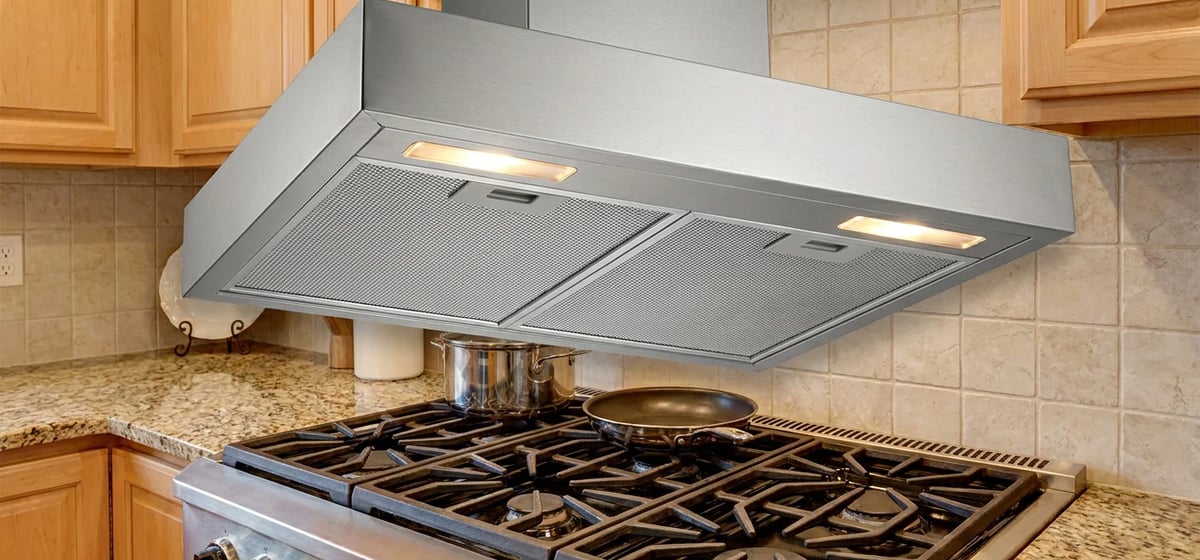
A range hood is an essential piece of kitchen equipment that sits directly above your stove or cooktop. The word range has meant a cooking stove since the 1400s. The word hood comes from Old English for a covering. This describes how the wide metal canopy physically covers the cooking area to catch rising smoke before it escapes into your room. Inside the hood, a motorized fan pulls up steam, smoke, and cooking smells. This keeps your kitchen air clean and stops sticky grease from settling on your cabinets.
Why It Matters to You
Cooking creates a surprising amount of airborne pollution. Frying bacon or searing steak releases tiny particles of grease into the air. Boiling pasta creates heavy steam. Gas stoves also release harmful byproducts like carbon monoxide and nitrogen dioxide into your home. A good range hood captures these pollutants right at the source. If you want to read more about keeping your indoor air safe, check out our guide to Environmental Hazards.
Without a hood, grease slowly coats your walls, ceiling, and light fixtures over time. Moisture from boiling water can cause peeling paint or even trigger mold growth in hidden corners. The hood catches these problems before they spread through your house.
Vented Versus Ductless Models
You will find two main types of range hoods in homes today.
- Ducted or Vented: This is the best option. It uses metal pipes to push the dirty air completely outside your house. It removes heat and moisture along with the smoke. The ducts should always be made of smooth metal, never flexible plastic. Plastic catches grease and creates a major fire hazard.
- Ductless or Recirculating: This type does not vent outside. It pulls air through a charcoal filter to trap grease and smells, then blows the air back into your kitchen. It does not remove heat or moisture from the room.
If you have a microwave over your stove, it likely acts as your range hood. Most over-the-range microwaves are ductless. Many homeowners do not realize their microwave is just blowing the cooking smells right back at their face. Contractors can sometimes alter these microwaves to vent outside if you have the right ductwork in the wall.
Maintenance and Suction Power
Your range hood only works well if you keep it clean. The metal mesh filters underneath trap grease. You need to clean these filters every one to three months. You can usually just pop them out and run them through your dishwasher.
If you have a ductless model, you also have a charcoal filter hidden inside. You cannot clean charcoal filters. You must replace them every three to six months. If your kitchen starts smelling like old food when you cook, it is time for a new filter. You can learn more about tracking down weird house scents in our guide to Smells & Odors.
When you shop for a new hood, you will see a CFM rating. This stands for cubic feet per minute. It measures how much air the fan moves. A standard electric stove usually needs a hood with 150 to 300 CFM. A heavy-duty gas stove needs 400 to 600 CFM. If you buy a hood with more than 400 CFM, your local building code might require a makeup air system. This system brings fresh air back into the house so the powerful fan does not create a vacuum.
Replacement Costs
If your fan dies or you want an upgrade, you will need to buy a new unit. Range hood prices vary a lot based on the style and power.
| Type of Hood | Average Cost (Materials Only) |
|---|---|
| Under-cabinet hood | $50 to $200 |
| Over-the-range microwave | $200 to $500 |
| Wall-mounted chimney hood | $300 to $900 |
| Island ceiling hood | $500 to $1,500 |
These prices are just for the appliance. Labor costs for Appliances installation usually add 150 to 400 dollars to your total bill. If a contractor needs to cut a new hole in your roof or wall to install ductwork, expect to pay an extra 500 to 1,000 dollars. Prices will always vary based on your location and the complexity of the job.