What is a short sale?
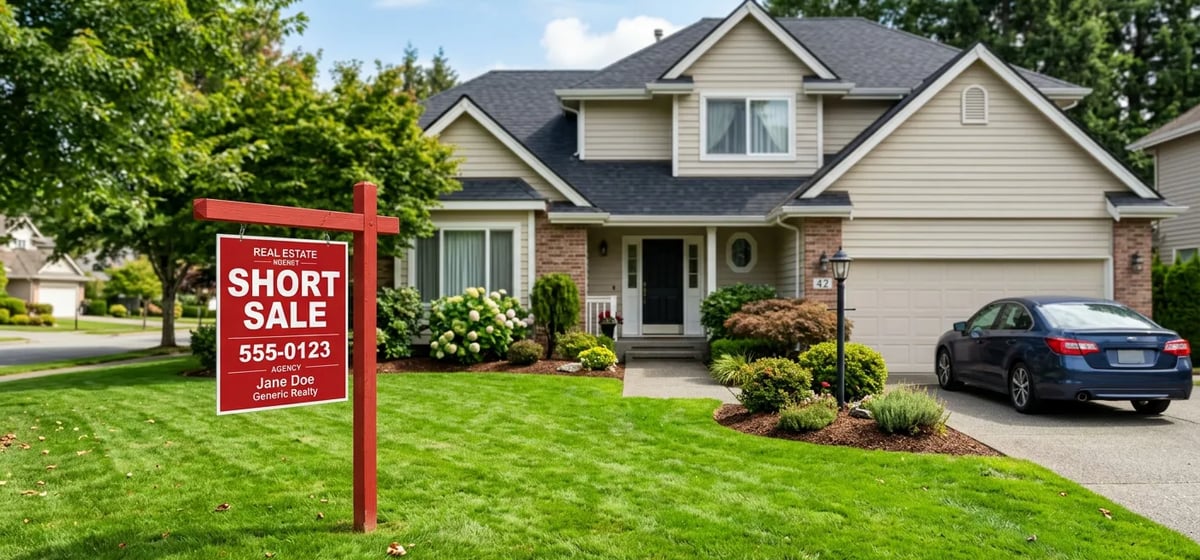
A short sale happens when you sell your house for less money than you still owe on your loan. The bank or lender must agree to accept this lower amount and forgive the rest of your debt. The term comes from the real estate and finance industry. It just means the final sale price falls short of your total loan balance.
Homeowners usually ask for a short sale when they face a major financial hardship. This could be a job loss, a divorce, or a medical emergency. If your home value has dropped, you might be underwater on your loan. A short sale is a legal way to settle the debt and avoid a full foreclosure.
Why it matters to you
Whether you are buying or selling, a short sale impacts your life in big ways. If you are the seller, this process offers a lifeline. It still hurts your credit score. Your score might drop 100 to 200 points. But it's much less damaging than a foreclosure, which stays on your record for seven years. You get to walk away from a property you can no longer afford without the bank seizing it.
If you are looking into buying a home, a short sale can look like a fantastic bargain. You might find a house priced 10 to 20 percent below normal market value. However, you must bring a lot of patience. The bank holds all the power and moves at its own slow pace.
How the process works
The timeline for a short sale is completely different from a standard real estate transaction. The homeowner must first prove they cannot pay their mortgages. You do this by sending the lender a hardship letter. You must also send months of bank statements, tax returns, and pay stubs.
Once the bank agrees to consider a short sale, you list the house on the market. When a buyer finally makes an offer, the seller signs it. But the deal isn't done. The bank must review the offer and approve the specific price. This bank approval step often takes 60 to 120 days. Sometimes it stretches out for six months. The buyer has to sit and wait. Many buyers get tired of waiting and walk away before the bank ever says yes.
Rules and traps to watch for
There are strict rules and hidden traps in a short sale. If you buy one of these properties, you buy it exactly as it sits. The seller has no money to make repairs. The bank won't pay to fix a broken furnace or a leaky roof. Before you close the deal, you should always expect to handle:
- Paying for your own thorough home inspections.
- Covering the cost of all future updates and repairs.
- Dealing with overgrown landscaping or trash left behind.
- Replacing missing appliances that the previous owner might have sold.
- Clearing out any unpaid utility bills attached to the property.
Costs and tax surprises
Selling a home normally puts cash in your pocket, but a short sale is different. If you're the seller, you won't make a single penny of profit from the sale. All the money goes directly to the lender. You might also need to hire a real estate attorney to help you negotiate with the bank. Legal fees for a short sale usually cost 1,500 to 3,000 dollars, though local rates vary.
There is another big catch to watch out for. The IRS sometimes counts the forgiven loan amount as regular income. This is known as cancellation of debt income. If the bank forgives 50,000 dollars of your debt, you might owe thousands of dollars in federal taxes on that phantom money. There are federal exceptions that can protect you, but the rules are complicated. You should always talk to a tax professional before you sign the final papers. For more details on handling your money, check out our guide to property taxes and home finances.