What is a slip joint nut?
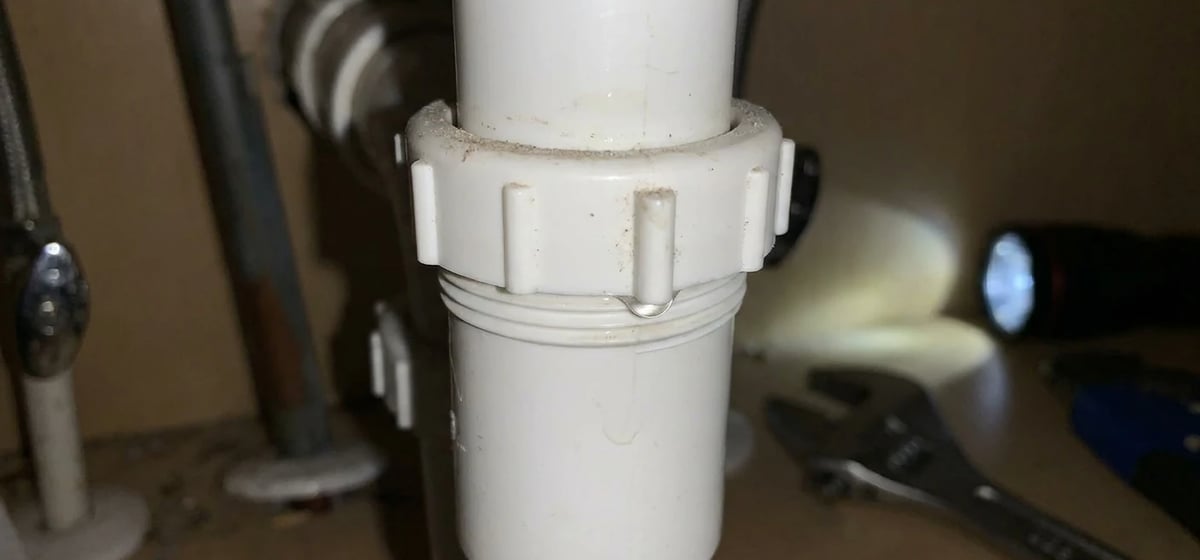
A slip joint nut is a threaded ring that connects the drain pipes under your sink. You'll usually find them made of white or black plastic, though older homes might have metal ones. Plumbers created the slip joint concept so pipes can slide into one another. This makes it easy to adjust the length and angle of the pipes before you lock them in place. The nut itself is the piece you twist to secure that flexible connection. Inside the nut, there is a small plastic or rubber ring called a washer. When you tighten the slip joint nut, it squishes the washer against the pipe. This creates a watertight seal so dirty dishwater doesn't leak all over your cabinets.
Why it matters to you
Knowing about this small part saves you money and stress. If you look under your kitchen or bathroom sink, you'll see a curved pipe called a P-trap. The slip joint nuts hold this trap in place. When a ring or a small toy falls down the drain, you don't need to call a plumber right away. You can just unscrew the slip joint nuts by hand, remove the trap, and get your item back. This simple DIY task can save you a service call fee. A professional visit usually costs 150 to 300 dollars, though ranges vary based on where you live. Understanding your home Plumbing system starts with simple parts like this. If a nut cracks or a washer gets old, water will drip. A slow drip can ruin your cabinet base over time. Catching a loose nut early prevents water damage and mold growth in your kitchen or bathroom.
Where you run into it
You'll see slip joint nuts on almost every sink drain in your house. They are the large, ridged rings on the plastic or metal pipes directly under the drain basket. You might also spot them on the drain lines for your bathtub or shower, though those are often hidden behind walls or floors. If you are replacing a bathroom faucet or putting in a new kitchen sink, you'll handle these nuts. You'll also deal with them if you ever need to clear a stubborn clog that a plunger can't fix. Sometimes a home inspector will note a leaking slip joint nut on a report when you are Buying a Home. It's a very common and minor issue. You can buy a replacement nut and washer at any hardware store for 2 to 5 dollars.
What to watch for
Slip joint nuts are easy to use, but they do have a few weak spots. Here is what you should keep an eye on.
- Overtightening: You should only tighten plastic slip joint nuts by hand. If you use a wrench, you can easily crack the plastic or strip the threads.
- Misaligned pipes: If the pipes don't line up perfectly, the nut won't thread on straight. This is called cross-threading. It will definitely leak if this happens.
- Worn washers: The rubber or plastic washer inside the nut gets brittle over time. If you tighten a nut and it still leaks, you probably just need a new 50-cent washer.
- Metal corrosion: Metal slip joint nuts look nice, but they can rust and fuse to the pipe. If you have old, stuck metal nuts, you might need a pair of pliers to break them loose.