What Is a Sprinkler Head?
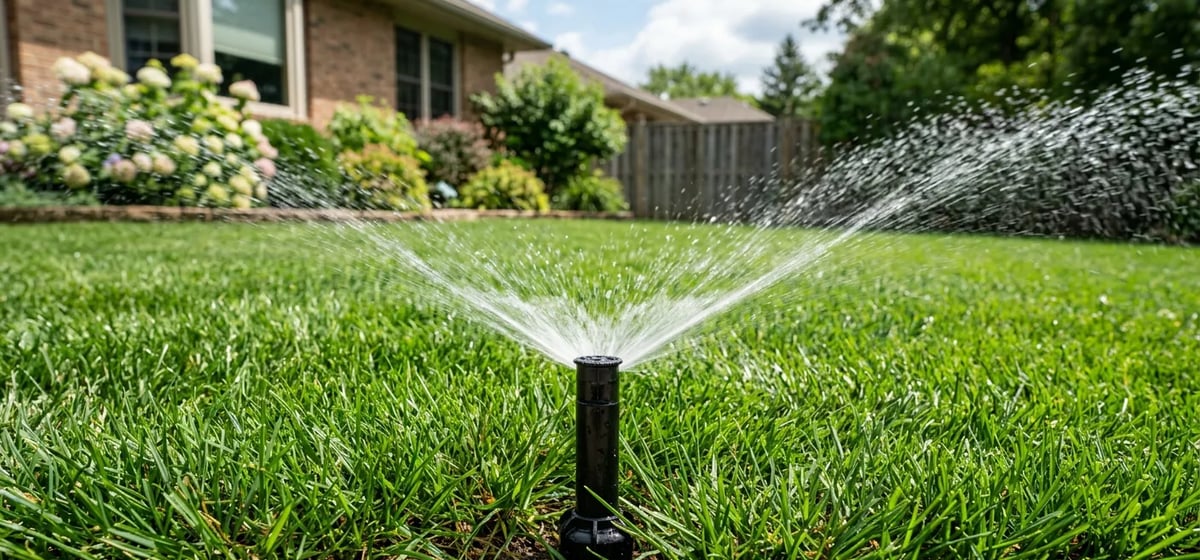
A sprinkler head is the final piece of your lawn irrigation system. It sits underground when turned off. When your system turns on, water pressure pushes the head up above the grass. Water then sprays out of the nozzle to water your yard. The word sprinkler comes from the Middle English word sprenklen, which means to scatter drops. People have used automated sprinkler systems for lawns since the 1930s. Today, these small plastic or metal parts do the heavy lifting to keep your grass green.
Each head attaches to a network of underground PVC pipes. These pipes connect to your main water supply. You can easily adjust the nozzle on the top of the head. This lets you change how far the water shoots and how wide the spray pattern goes. You want the water to hit your grass, not your driveway or the side of your house.
Types of Sprinkler Heads
Not all yards need the same amount of water. You'll see a few different types of sprinkler heads around your property.
- Pop up spray heads: These are the most common. They pop up 2 to 4 inches above the ground and spray a constant mist in a fixed pattern. They work best for small or medium lawns.
- Rotor heads: These pop up and rotate back and forth. They shoot a single, thick stream of water over a long distance. You usually see these in large, open yards.
- Impact sprinklers: These are the classic metal heads that make a loud ticking sound. They sit above ground or pop up, and they throw water in a strong circle. They handle dirty or hard water very well.
Why They Matter to You
Your sprinkler heads control exactly where your water goes. If they work right, your lawn stays healthy and your water bill stays normal. If they point the wrong way, you waste money watering the street. Bad sprinkler heads can also cause serious problems for your home. If a head sprays directly against your siding or foundation every day, the constant moisture will cause rot or mold. You can learn more about protecting your yard and managing water drainage in our Landscaping, Drainage & Outdoor guide.
Common Problems to Watch For
Sprinkler heads live a tough life. They sit in the dirt and face lawnmowers, foot traffic, and freezing weather. You should check them a few times a year. Just walk around your yard while the system runs and look for issues.
- Broken plastic: Lawnmowers often clip the tops of these heads. A cracked head will gush water in a big puddle instead of spraying a mist.
- Clogged nozzles: Dirt and grass clippings easily get stuck in the tiny spray nozzle. If a head barely trickles, you probably need to clean the filter inside it.
- Sunken heads: Over time, the ground settles. A head might sink too low to pop up over the grass. You'll need to dig it up and add a small plastic extension piece to raise it.
What It Costs to Replace
Fixing a sprinkler head is usually cheap and easy. You can buy a replacement head at any hardware store. The parts cost 5 to 30 dollars depending on the brand and style. Digging out the old head and screwing on a new one takes about ten minutes. If you don't want to dig in the mud, you can hire a landscaper. A professional will usually charge 75 to 150 dollars for a service call to replace a few broken heads. Keep in mind that prices vary based on where you live. If you want to tackle this project yourself, check out our DIY vs. Hiring a Pro guide to see if you have the right tools.